

Sign up here to subscribe to the Grower2grower Ezine. Every two weeks you will receive new articles, specific to the protected cropping industry, informing you of industry news and events straight to your inbox.
10
Mar 2026
Mar 2026
Where Does Fusarium Sit on Your Priority List?
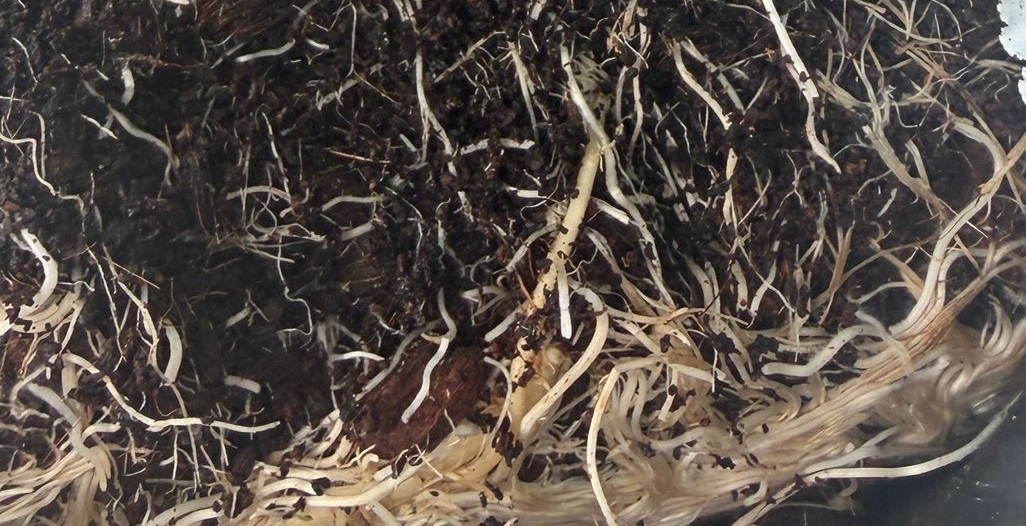
When discussing crop health during technical strategy meetings, Fusarium often does not sit particularly high on the list of priorities.
Yet if you ask my opinion, I suspect Fusarium is costing growers more than we sometimes realise.
One of the reasons it does not always dominate conversations is because many growers have already implemented solutions that significantly reduce the risk. In cucumbers, for example, grafting onto highly resistant rootstocks has been a real game changer. In many situations it almost guarantees that Fusarium will not be the reason a crop fails to meet its production targets.
For tomatoes, grafting can also help, although it is not always the complete solution. Fusarium can still cause significant problems if conditions allow it to establish and spread within the root system.
No Silver Bullets
Grafting does not come without cost. It represents a significant investment for growers. However, as the industry gradually moves away from traditional chemical solutions and toward more biologically friendly systems, it is becoming increasingly important to understand how we can maximise beneficial biology within our growing systems.
The starting point is always the same: begin with a clean system. Reducing the presence of harmful pathogens and unwanted bacteria within irrigation systems, substrates, and growing infrastructure is critical. This step alone can dramatically reduce the likelihood of problems developing later in the crop.
From there, the challenge becomes establishing and maintaining beneficial biology. This is where the industry still faces limitations. Unlike nutrients or EC levels, we do not yet have simple real-time tools that allow growers to clearly measure the balance between harmful organisms and beneficial microbes within the root zone.
Too often the first signs that something is wrong are visible in the plant itself — changes in root systems, plant vigour, or wilting symptoms. By that stage the problem is already well established, and many growers understandably revert to the “security blanket” of chemical intervention.
The Ambulance at the Top of the Cliff
In my view, biological solutions represent the ambulance at the top of the cliff — helping prevent the problem before it develops. The stronger chemical tools are often the ambulance waiting at the bottom.
The challenge is that we still have a lot to learn before growers can have complete confidence in biological solutions alone. Developing reliable systems for establishing and maintaining beneficial microbes is still very much a work in progress.
However, it is important that we continue exploring these options. Chemical tools may not always be available in the future, and regulatory pressures are unlikely to decrease.
For that reason, growers should continue trialling alternative approaches and refining biological strategies within their systems. Even if the first attempt does not deliver perfect results, the process of learning and improving will be critical for the long-term resilience of greenhouse production.
Sometimes the best approach is simply to keep testing, refining, and trying again.
3 Practical Ways to Reduce Fusarium Risk in Greenhouses
- Start clean: Always sanitise growing media, irrigation systems, and tools before introducing a new crop. Reducing the initial pathogen load is your first line of defence.
- Consider grafting where possible: Resistant rootstocks in cucumbers (and some tomato varieties) are proven to significantly reduce the impact of Fusarium. Factor this into your crop planning, even if it adds upfront costs.
- Support beneficial microbes: Apply and monitor biological products carefully. Encourage beneficial bacteria in the root zone to outcompete Fusarium, while remembering that visible plant symptoms often lag behind microbial activity.
Early Warning Signs Growers Should Watch For
- Uneven or stunted growth in young plants, particularly near the root zone.
- Yellowing or wilting of leaves that persists even with consistent irrigation.
- Roots that appear brown, rotted, or with unusual lesions.
By Stefan Vogrincic
CLASSIFIED

















Photo
Gallery






Subscribe to our E-Zine
More
From This Category
March 10, 2026
Where Does Fusarium Sit on Your Priority List?
When discussing crop health during technical strategy meetings, Fusarium often does not sit particularly high on the list of priorities.
December 29, 2025
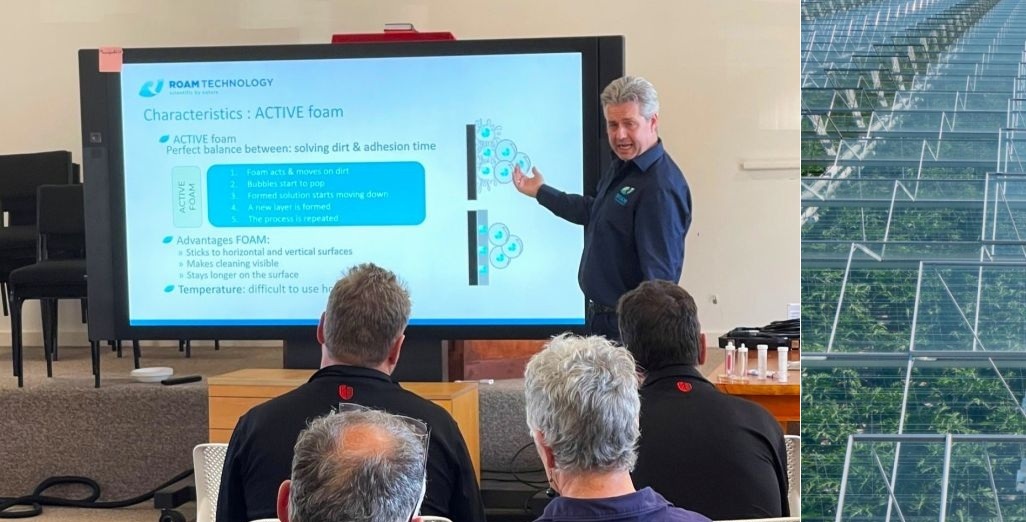
Best of 2025 – Roam presentation on hygiene protocols for greenhouses and biosecurity, Pukekohe, New Zealand
Recently I attended a superb presentation by Ivan Casteels, Roam Technology discussing biosecurity, hygiene, and ToBRFV.

July 14, 2025
Calling on suppliers to do the right thing (Hygiene)
"Every part of the sector has a role to play in Biosecurity" (Dinah Cohen, GM TomatoesNZ) 공급업체들에게 올바른 행동을 촉구합니다
July 1, 2025
Botrytis Alert: Key Strategies to Minimize Losses
Following Blight, Botrytis now becomes the main threat — act early to avoid compounding issues. Energy costs are currently a major burden for greenhouse growers. As a result, many are forced to make difficult decisions about how much energy to invest in climate control........

June 2, 2025
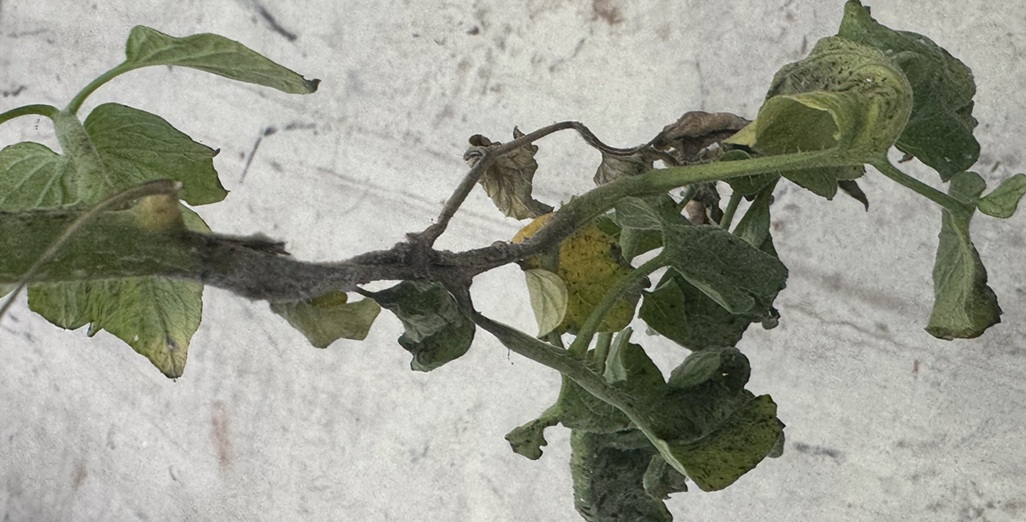
Blight Hits South Auckland – One Grower Severely Affected
Blight Doesn’t Wait — Neither Should You
March 10, 2025
Roam presentation on hygiene protocols for greenhouses and biosecurity, Pukekohe, New Zealand
Recently I attended a superb presentation by Ivan Casteels, Roam Technology discussing biosecurity, hygiene, and ToBRFV.
CLASSIFIED