

Sign up here to subscribe to the Grower2grower Ezine. Every two weeks you will receive new articles, specific to the protected cropping industry, informing you of industry news and events straight to your inbox.
27
Mar 2018
Mar 2018
Clipping or Twisting
Clipping or Twisting
We all have a preference as to what we like to do in regards to clipping our plants to the string or twisting them around the string.
A variety can sometimes determine if you clip or twist. A plant that grows away from the string is better to clip than twist because of the issue of breaking stems.
Plant load/habit: If you are a slightly less ‘generative’ grower you will potentially need to twist to create a generative pulse (hurt) on the plant, if you are the opposite and push the boundaries by either increased fruit load or speed, you may prefer clipping.
Labour: Some growers feel that twisting is slower and clipping is faster, but there is a cost to the clips. Calculating the extra cost of clips versus the potential saving in time needs to be made by doing both yourself. That permutation does depend on how well you can put clips on. I have medium sized hands so find it very easy to clip or twist. You must count how many heads you break. Have you considered clipping in the morning and twisting in the afternoon? What time of the day is breaking heads more likely? This is chopping and changing but it is an option. You might be surprised how much a broken head costs you!!
New Staff: Is it easier to teach staff to clip or twist? This is not always clear. If your staff do not put the clip in the correct place (for instance underneath a flowering truss) then you could end up losing production due to poor placement of the clips, the opposite applies if new staff are breaking heads because they do not twist properly.
I think the age of a crop and conditions need to be considered. When looking at crop registration sheets I have a good idea of when plants are becoming stressed. When I identify this as a grower I would immediately use clipping to elevate any unnecessary stress on the plant that twisting causes.
Clipping Technique:
The placement of the clip is important, always place below the leaf and never directly above a truss, either put the clip under the middle leaf between trusses or underneath the truss. For cucumbers it is just under the leaf. One positive when clipping cucumbers, is you don’t have to do a tight twist so the stem does not slide down the string.
You might have seen this before but it shows how efficent clipping can be.
Twisting Technique:
Twisting is a special technique. Often it is done in a manner I find damaging to the plant as well as being too slow. When twisting you should try and reduce as much movement of the head and manipulate the string more. You should take the weight of the plant then twist the string around the stem by flicking the leaves in an upwards motion with your free fingers. I don’t advise going around every leaf with the string on a tomato plant, especially if you have kinks in your stem. This just leads to either breaking the head or heavily damaging cells.
If you get behind twisting, having the option of a clip to help catch up is always a good idea. The more you twist the more the stress on the plant and higher risk of breaking heads. I like both systems and both have merit.

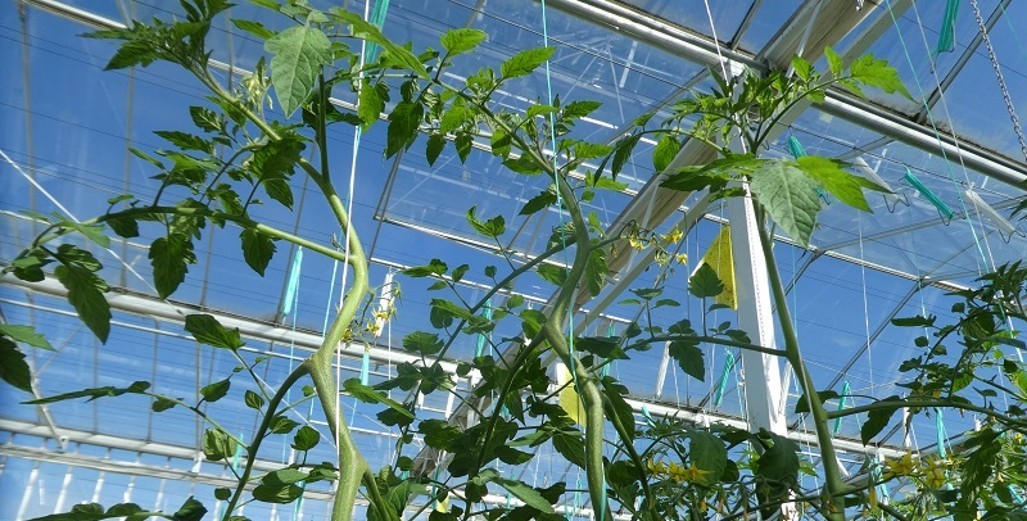
This tomato variety needs to be twisted carefully. There are a lot of 'bends' in this variety. I would consider clipping this to reduce potential breakages.
I appreciate your comments. Please feel free to comment below or on the grower2grower Facebook page:
https://www.facebook.com/StefanGrower2grower/
Article wrtten by Stefan Vogrincic, Consultant, Grower2Grower
CLASSIFIED












Subscribe to our E-Zine
More
From This Category
April 20, 2026
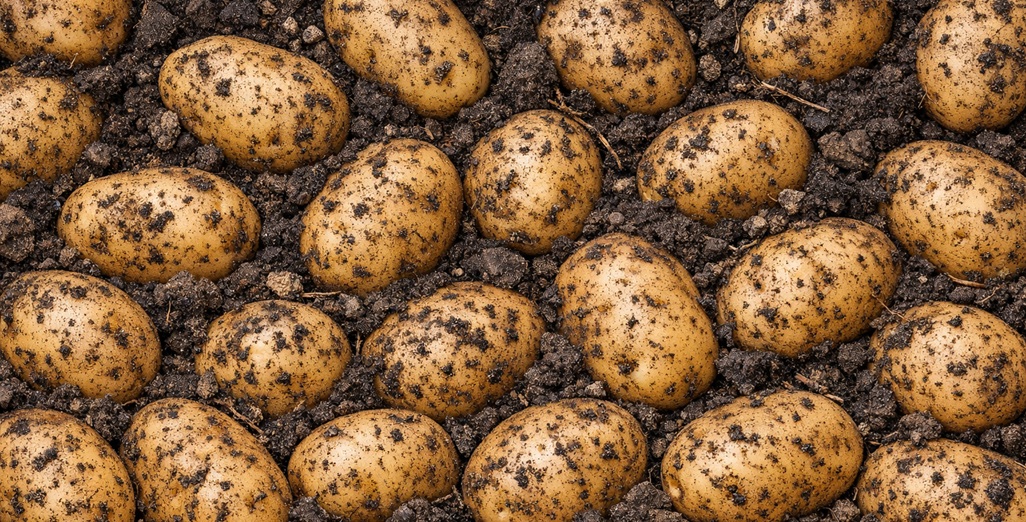
The Environmental Protection Authority (EPA) has approved a new fungicide seed treatment to control disease on potatoes.
The New Zealand potato industry is valued at approximately $1 billion annually, according to Potatoes New Zealand.
April 20, 2026
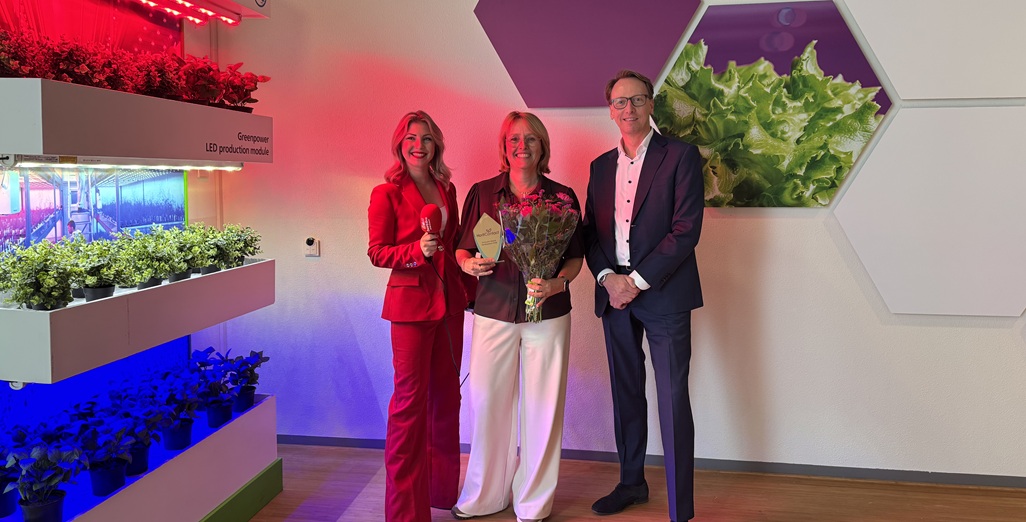
Signify wins HortiContact Innovation Award for Philips intelligent horticulture lighting solutions
“We are incredibly proud of this recognition”
April 7, 2026
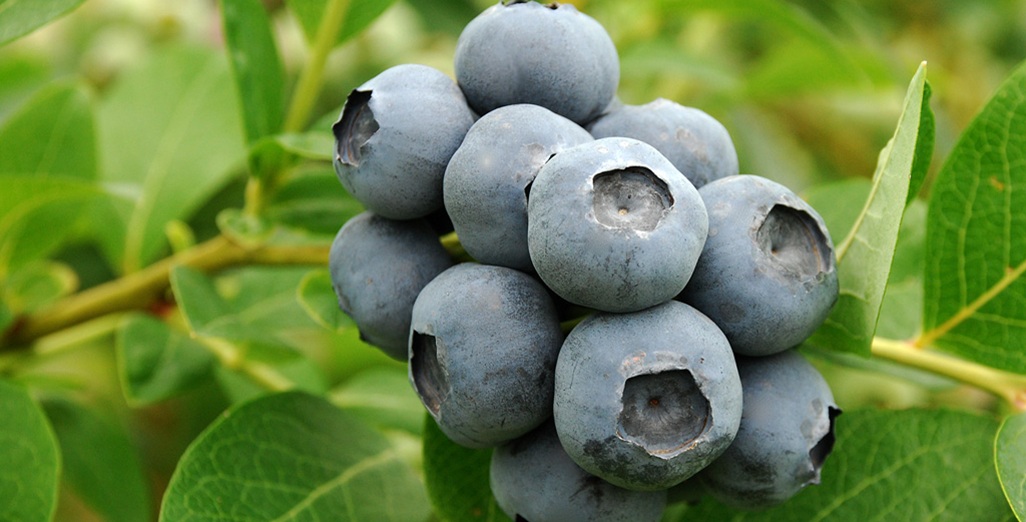
Proposed import requirements for fresh blueberries (Vaccinium spp.) for human consumption
Make your submission
March 23, 2026
The Environmental Protection Authority (EPA) maintained the upward trend for hazardous substances decisions in the second quarter of the 2025-26 year.
Dr Lauren Fleury, Manager Hazardous Substances Applications, says the EPA continues to use rapid assessment pathways where possible. Of the 16 approved applications in the second quarter, 13 were decided by rapid assessment.

March 23, 2026
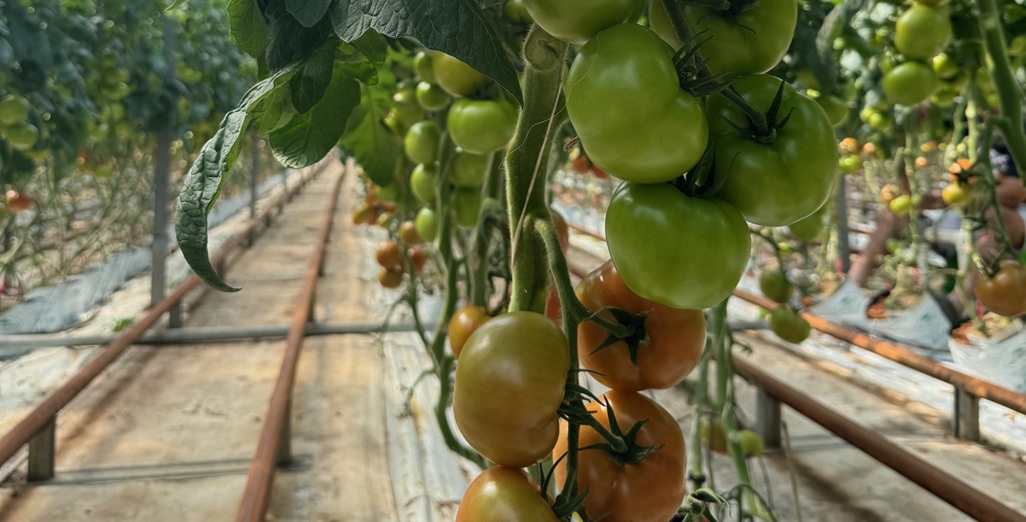
Source Advances Harvest Forecasting for Tomatoes with Next Generation AI Model
Fundamental changes to how the model learns and handles grower input mean significantly less manual work and meaningfully better accuracy.
March 10, 2026
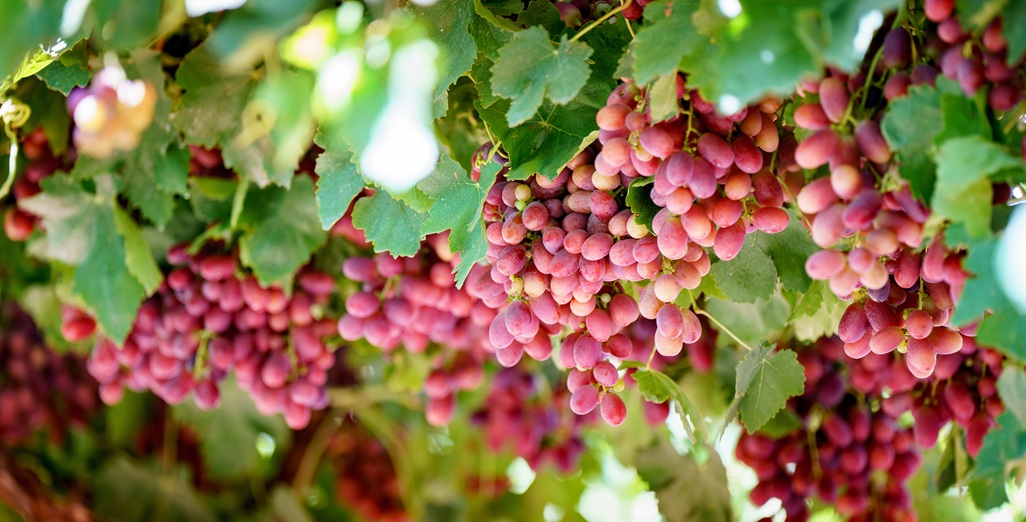
Australia’s horticulture sector has delivered a year of record‑breaking performance
Highest production value to date of $18.4 billion, up 6% on the previous year.
CLASSIFIED