

Sign up here to subscribe to the Grower2grower Ezine. Every two weeks you will receive new articles, specific to the protected cropping industry, informing you of industry news and events straight to your inbox.
7
May 2018
May 2018
Technical
Technical
Minimum and Maximum Pipe Temperatures:
Greenhouse Growers who have heating pipes, and who have the ability to regulate temperature using electronic controls or an environmental computer system, are in the best position to use minimum and maximum pipe temperature setpoints. The reason for using minimum and maximum pipe temperature setpoints is to reduce the sharp rise or decrease of temperature in a greenhouse. With the assistance of manipulating your venting, either by using P bands or just by setting minimum vent setpoints. This could significantly save wasted energy without causing other issues.
However, at this time of the year when outside temperatures fluctuate a great deal, stable temperature control is tricky. Weather reports are helpful for making decisions on setpoints, but manually changing these each day is not always possible. Having a maximum pipe temperature can alleviate what I call ‘temperature hunting’. This is where a greenhouse temperature quickly drops because of excessive venting (generally early in the morning), the greenhouse temperature has now dipped below the heating setpoint, now the computer automatically opens the (heating) mixing valve, hot water from the boiler is then circulated into the greenhouse. You then have the double whammy! The heating pipes are now hot, the sun becomes stronger, then a rapid increase in greenhouse temperature occurs, humidity rises, so it vents again! The cat chasing its tail saga continues.
This was a great frustration until a consultant from Belgium, Frank Florus, spoke at an Auckland conference some years ago. He spoke about not being too concerned in regards to having a low maximum pipe temperature, even if that meant the greenhouse temperature dropped to a level that was below your heating setpoints (within reason). After a private meeting with Frank I discussed this topic further. I implemented his strategy and never looked back. I have customers who I promote this strategy too and they have saved on energy without costing them in production or income. Not to mention a huge reduction in rapid temperature and humidity fluctuations, which can only benefit your crop.
Minimum pipes are also very interesting, some do not believe it is necessary, but unless your minimum pipe is at 35 degrees it is probably not achieving anything. I don’t have any scientific proof but I have always used a minimum pipe to keep the heat rising, filtering up through the stem and leaf area keeping it as dry as possible. Greenhouse growers with ‘grow pipes’ have an added advantage, the heat from those pipes filters directly through the canopy whereas pipes on the ground will have less effect.
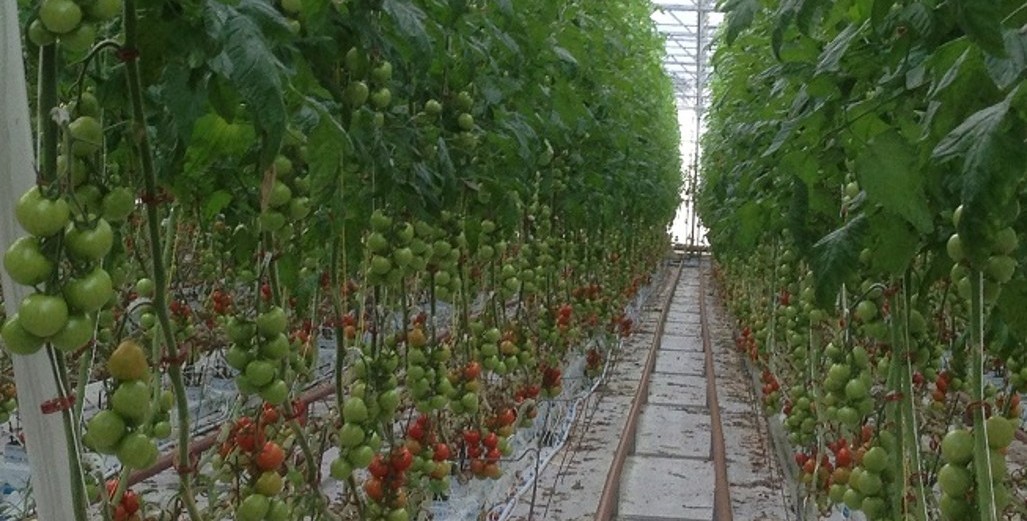
As greenhouse structures vary so much and heat loss is different in most greenhouses it is impossible to give exact figures. You have to use trial and error to achieve the correct settings for your greenhouse. For example, if your maximum pipe temperature is set at 55 degrees and the outside night temperature did not drop below 10-12 degrees you should be able to maintain sufficient temperature in your greenhouse? My suggestion would be to drop the maximum pipe limits in small increments until you were comfortable with the lowest temperature outcome. As a guide, for myself, having the greenhouse drop below 13.5 degrees for long periods in the middle of the night was not ideal. If this was occurring I would slowly lift my maximum pipe temperature until I felt comfortable. Just to confirm this was a tomato crop. If you are interested in advice on this topic please contact me to discuss.
I appreciate your comments. Please feel free to comment below or on the grower2grower Facebook page:
https://www.facebook.com/StefanGrower2grower/
Article Written by Stefan Vogrincic, Consultant, Grower2Grower
CLASSIFIED












Subscribe to our E-Zine
More
From This Category
April 20, 2026
Autumn Challenges: Managing Humidity, Energy Constraints and Crop Balance
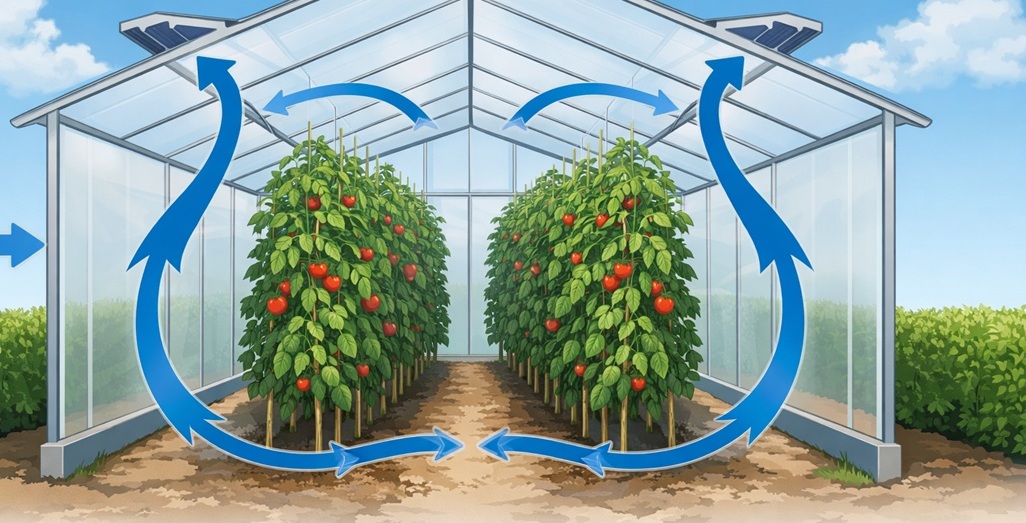
A Perfect Storm for Crop Performance
April 7, 2026
Energy Resilience for Greenhouse Horticulture: Electricity at the Core (not just for greenhouse horticulture but NZ Inc?)
Real opportunity for long-term resilience lies in electricity and bioenergy for growers

April 7, 2026
Geothermal Strategy released MBIE
From the Ground Up: A strategy to unlock New Zealand's geothermal potential - March 2026
March 23, 2026
The Carbon Difference Between LNG and Bioenergy: Does it Matter
As domestic gas supply declines and dry-year risks persist, New Zealand faces an important energy question. The challenge is not simply finding a replacement fuel, it is choosing an approach that supports long-term energy security while also reducing our carbon exposure.

March 10, 2026
Energy saving through screens
A combination of screen use, screen quality, greenhouse climate requirements, and greenhouse equipment.
March 10, 2026
Heating Uncertainty Leaves Greenhouse Growers Searching for Answers
Waste oil supply changes force growers to reconsider long-term heating options ahead of winter. Two weeks ago I was alerted that one of the major recycled waste oil suppliers, based in the Auckland region, will soon stop supplying greenhouse growers. For one of my customers this came as a significant shock, particularly given that notice was given that deliveries will cease in the coming months –
CLASSIFIED