

Sign up here to subscribe to the Grower2grower Ezine. Every two weeks you will receive new articles, specific to the protected cropping industry, informing you of industry news and events straight to your inbox.
21
May 2018
May 2018
Blight is Back, React and Prevent
Blight is Back, React and Prevent
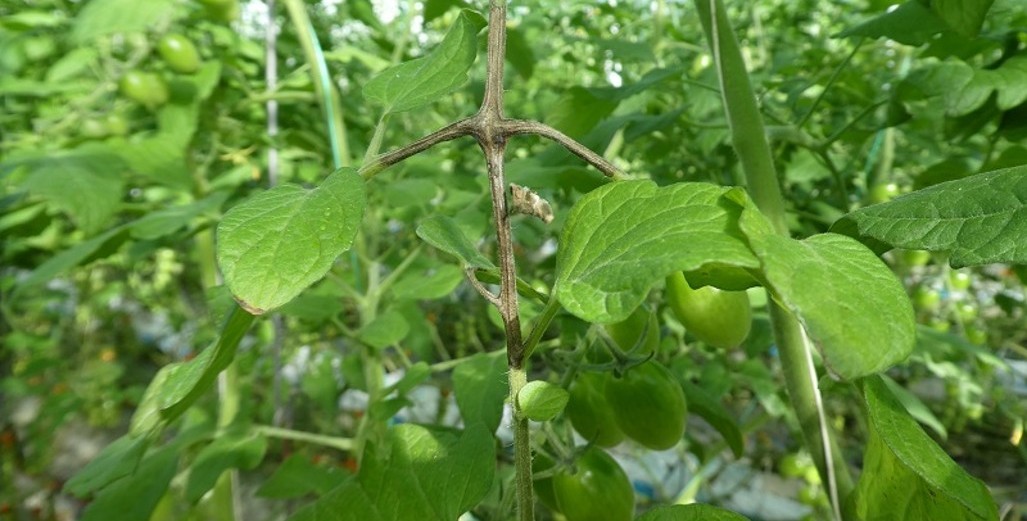
Blight identified in a tomato crop
Be on the lookout for Blight. A crop of tomatoes in the Pukekohe area had what I could determine was Late Blight. It was a quick fix with a common known fungicide. The Blight was first sighted underneath a gutter row, a common place for the start of many funguses. The trick with Late Blight is to react immediately, its not named ‘plant destroyer’ for no reason.
The weather is still warm and there has been no shortage of rain in the past few weeks. Perfect conditions for Blight. This, along with windy conditions, mean the spores can travel far and wide! Unfortunately, unless you have used a preventative, then it will just be a matter of good fortune if you don’t get Early or Late Blight, (especially in or around Pukekohe). Early Blight is not as destructive as Late Blight but never the less you need to be vigilant.
Prevention is key but that doesn’t help once you have Late Blight, especially seeing how it can severely affect your crop in less than 48 hours. You can have the best hygiene in the world but if your vents are open nothing will prevent spores from entering your greenhouse. However, good hygiene practices are extremely important.
Unfortunately, it is hard to pinpoint what products you can use that are biological or organic to eradicate Late Blight once you have it. Copper products could control or slow down Late Blight epidemics but full coverage of the plants is required. The Phytophthora infestans sporulates can survive on top of or underneath leaf surfaces. Is there a way of protecting your crops with biological products?
There are conventional preventive fungicides available, as long as you can use these products, and not exceed MRL’s (maximum residue levels), then I would recommend using them until we have better understanding and availability of biological products. Personally, biological is the direction I hope we are able to take as an industry. However, we must not dismiss chemicals and need to make sure they are our safety net, especially if biological products can not quite keep funguses like Late Blight in check. I am concerned that there might come a day the chemical fungicides will not work as well, so using biological in conjunction with chemicals could extend the life of certain chemicals we currently rely upon. It is a discussion I would like to have with growers and receive their thoughts.
I would really like to hear the feedback from growers on this subject.

Photo of what I predict is Late Blight, The speed at which the Late Blight spreads is astounding.
I appreciate your comments. Please feel free to comment below or on the grower2grower Facebook page:
https://www.facebook.com/StefanGrower2grower/
Article Written by Stefan Vogrincic, Consultant, Grower2Grower
CLASSIFIED












Subscribe to our E-Zine
More
From This Category
April 20, 2026
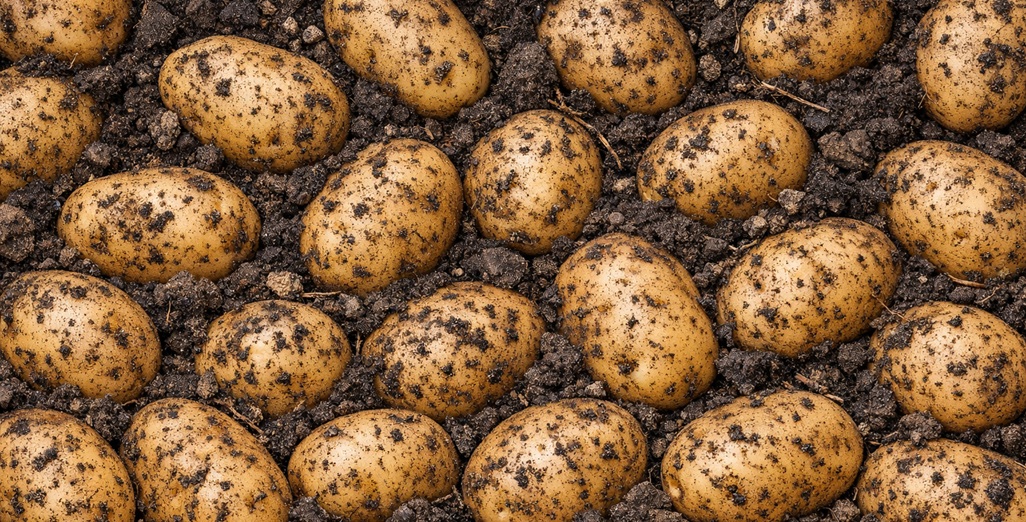
The Environmental Protection Authority (EPA) has approved a new fungicide seed treatment to control disease on potatoes.
The New Zealand potato industry is valued at approximately $1 billion annually, according to Potatoes New Zealand.
April 20, 2026
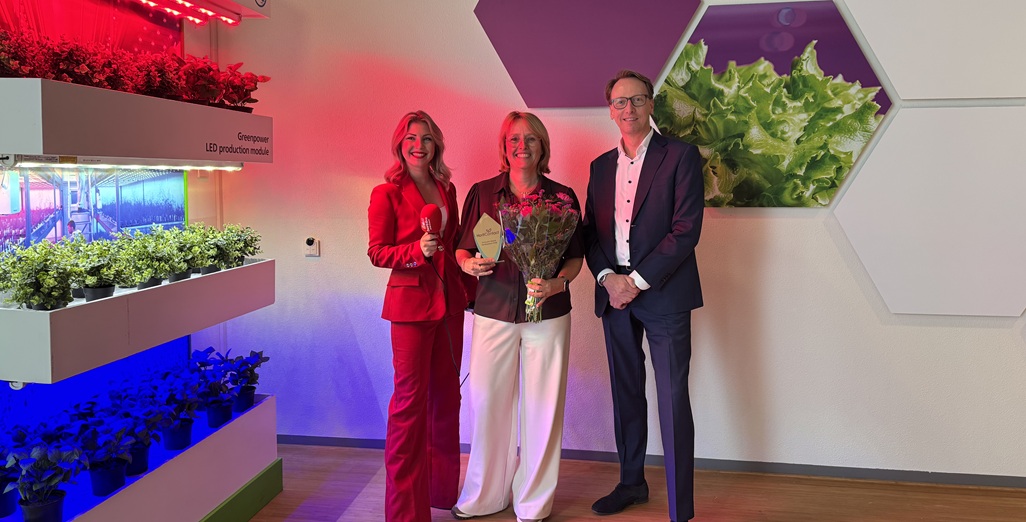
Signify wins HortiContact Innovation Award for Philips intelligent horticulture lighting solutions
“We are incredibly proud of this recognition”
April 7, 2026
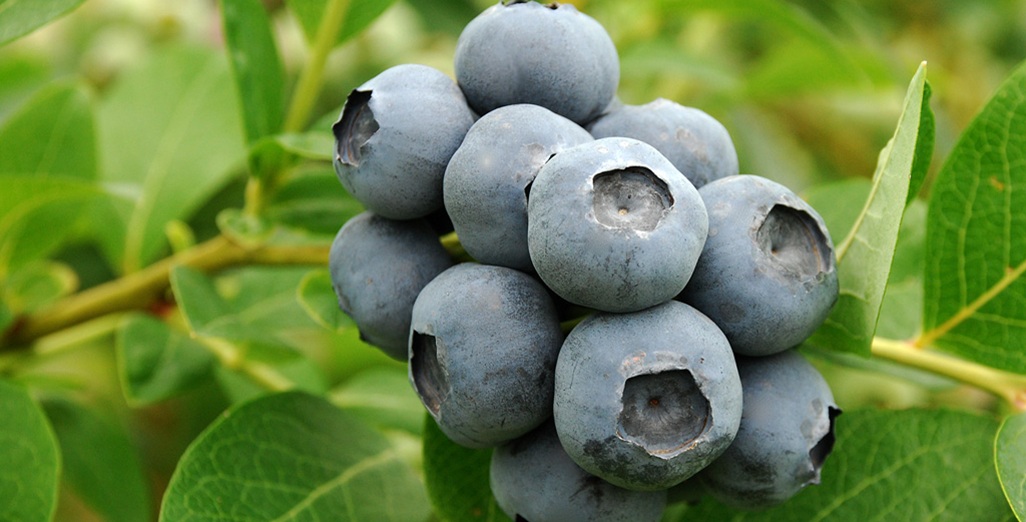
Proposed import requirements for fresh blueberries (Vaccinium spp.) for human consumption
Make your submission
March 23, 2026
The Environmental Protection Authority (EPA) maintained the upward trend for hazardous substances decisions in the second quarter of the 2025-26 year.
Dr Lauren Fleury, Manager Hazardous Substances Applications, says the EPA continues to use rapid assessment pathways where possible. Of the 16 approved applications in the second quarter, 13 were decided by rapid assessment.
March 23, 2026
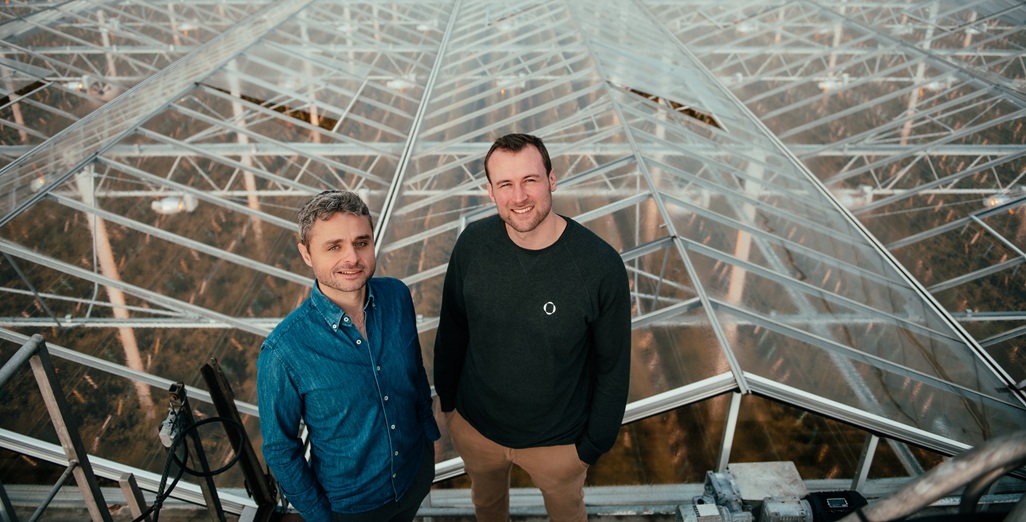
Source Advances Harvest Forecasting for Tomatoes with Next Generation AI Model
Fundamental changes to how the model learns and handles grower input mean significantly less manual work and meaningfully better accuracy.
March 10, 2026
Australia’s horticulture sector has delivered a year of record‑breaking performance
Highest production value to date of $18.4 billion, up 6% on the previous year.
CLASSIFIED