

Sign up here to subscribe to the Grower2grower Ezine. Every two weeks you will receive new articles, specific to the protected cropping industry, informing you of industry news and events straight to your inbox.
5
Jun 2018
Jun 2018
Cucumbers in High Demand
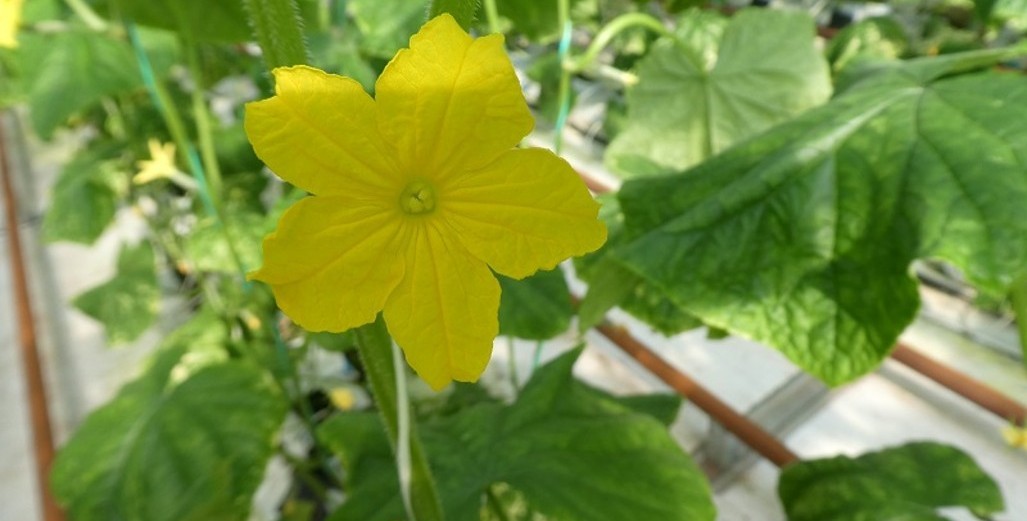
Cucumbers in High Demand
Telegraph Cucumbers up to $ 5 each!
It does not take long for the cold and dreary weather to cause a massive slowdown in growth. I have been informed that 18-inch telegraph cucumbers reached up to $5 each recently! I have never heard of this before. There is not a shortage of cucumbers plants growing in greenhouses at the moment, it appears at normal levels but possibly more crops are either just finishing or have recently been re-planted.
Planting in May and June is always tough for cucumber growers, as the plants grow significantly slower than other times of the year. The ideal time to plant a winter crop of cucumbers is in late March or early April to make sure you are picking by the first week of May. Grow and build the young plant in adequate light and pick the initial load off the plant before the days become too short. This is not always possible as there needs to be a continuity of supply to the market. However, some growers have multiple growing areas making their production planning easier.
There are a couple of things that could be done to prevent a ‘shortage’ happening at this time of the year. I like the idea of receiving advanced plants from your nursery all year round but especially from March until September. It might be a little harder, and take a little longer, to plant but the reduced time from planting to picking can be very rewarding. The extra returns could far outweigh the initial cost. The energy saving is also very important. Using a comparison, the speed from picking with a 45cm plant to a 60cm plant is roughly 8-10 days (that is being conservative), so an extra 8-10 days of heating, means one more week for picking in your crop cycle.
The bigger plants, you receive from the nursery, have other benefits. They are stronger, have a larger roots system, and are better established on a substrate in the greenhouse. Nurseries now have supplementary lighting -which has created another massive benefit for the grower. Growers are taking delivery of plants that are as strong in the winter as they are when they receive them in the summer. This is incredibly advantageous.
I appreciate there is some reluctance to purchase bigger plants. Apart from it being financially rewarding it would also contribute to reducing the shortage of produce the market is currently experiencing. If there was more produce then yes, the price would be lower per cucumber, but we would have that continuity of supply and not be facing a slowdown in the market.
Unlike outdoor growers, indoor growers do have the luxury of having crops protected, so it does raise the question; is this predicament we are in avoidable? Yes, low light has an effect but cucumbers have never hit $5 before. I understand, due to competition and the way the law works, that unfortunately growers don’t talk to each other, but it does lead to these holes and lack of cross over production, which will inevitably happen from time to time. No one wins, not the public or the grower in the end. I hope that the growers don’t get blamed in the media this week as they are just going about their business. One suggestion I have is use bigger plants, then hopefully fewer of you will be out of production for long periods of time.
I appreciate your comments. Please feel free to comment below or on the grower2grower Facebook page:
https://www.facebook.com/StefanGrower2grower/
Article Written by Stefan Vogrincic, Consultant, Grower2Grower
CLASSIFIED












Subscribe to our E-Zine
More
From This Category
April 20, 2026
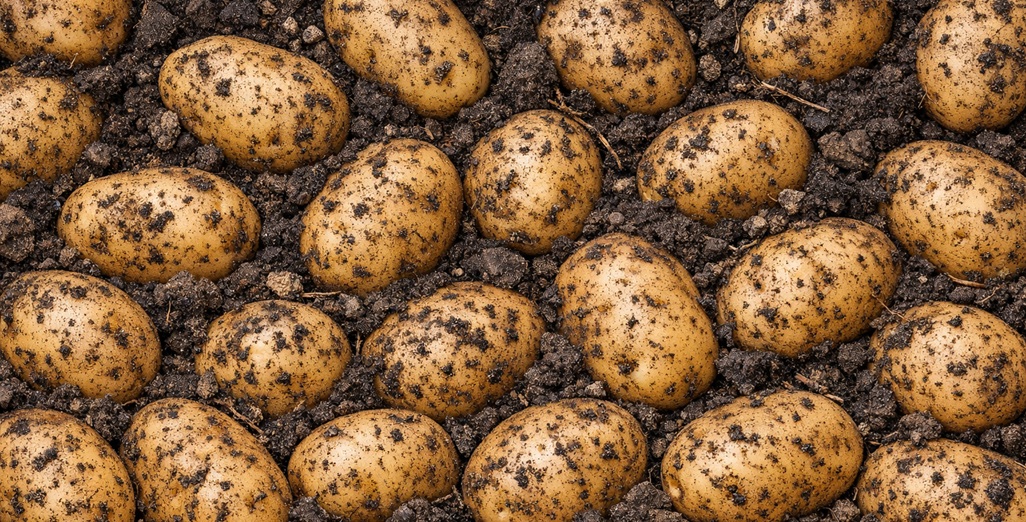
The Environmental Protection Authority (EPA) has approved a new fungicide seed treatment to control disease on potatoes.
The New Zealand potato industry is valued at approximately $1 billion annually, according to Potatoes New Zealand.

April 20, 2026
Signify wins HortiContact Innovation Award for Philips intelligent horticulture lighting solutions
“We are incredibly proud of this recognition”
April 7, 2026
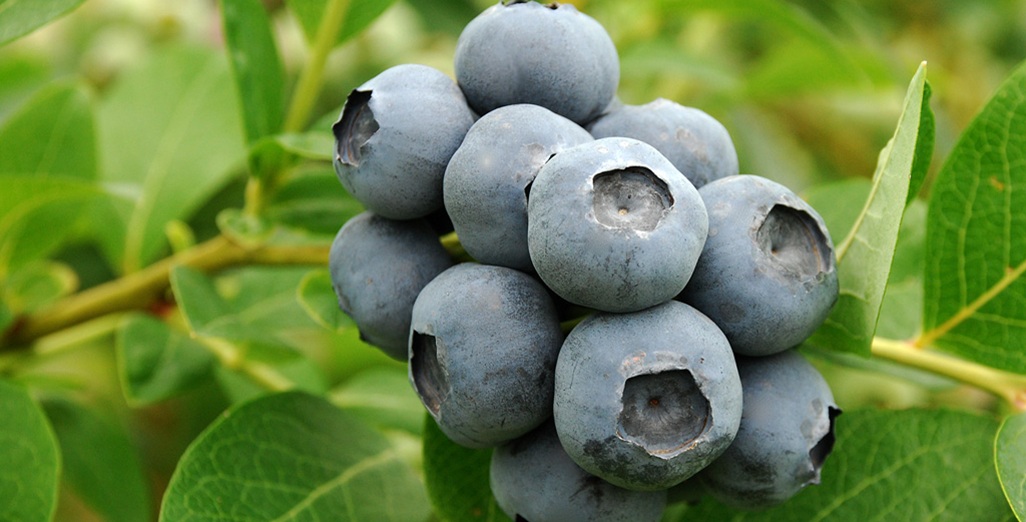
Proposed import requirements for fresh blueberries (Vaccinium spp.) for human consumption
Make your submission
March 23, 2026
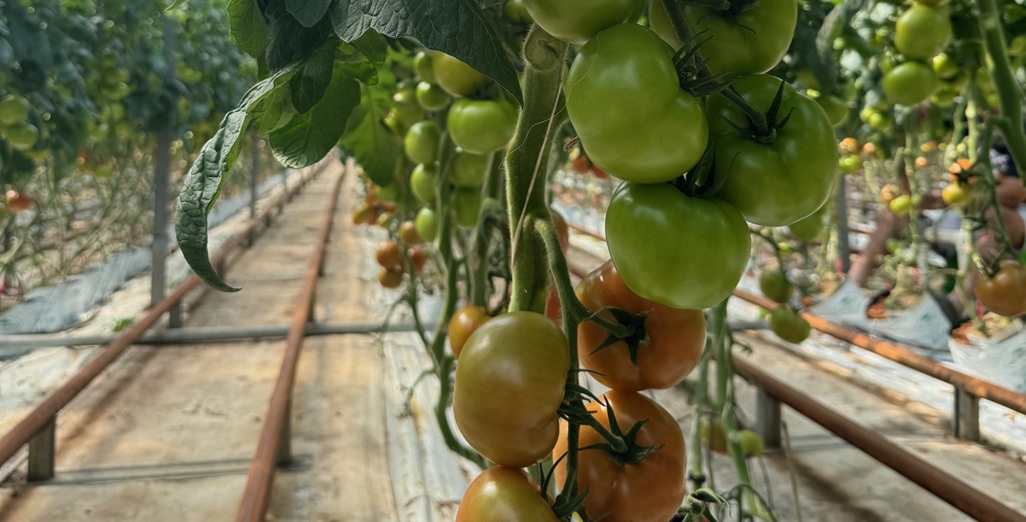
The Environmental Protection Authority (EPA) maintained the upward trend for hazardous substances decisions in the second quarter of the 2025-26 year.
Dr Lauren Fleury, Manager Hazardous Substances Applications, says the EPA continues to use rapid assessment pathways where possible. Of the 16 approved applications in the second quarter, 13 were decided by rapid assessment.

March 23, 2026
Source Advances Harvest Forecasting for Tomatoes with Next Generation AI Model
Fundamental changes to how the model learns and handles grower input mean significantly less manual work and meaningfully better accuracy.
March 10, 2026
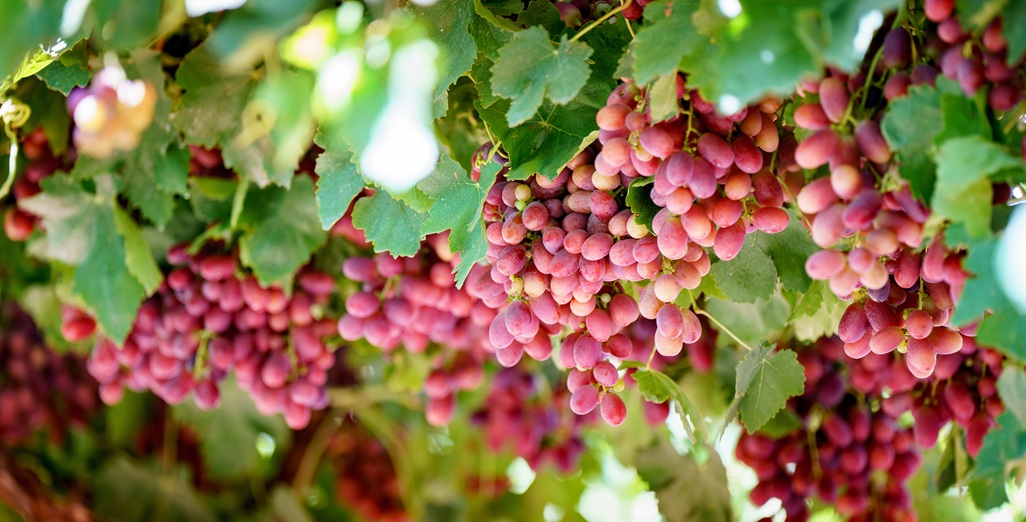
Australia’s horticulture sector has delivered a year of record‑breaking performance
Highest production value to date of $18.4 billion, up 6% on the previous year.
CLASSIFIED