

Sign up here to subscribe to the Grower2grower Ezine. Every two weeks you will receive new articles, specific to the protected cropping industry, informing you of industry news and events straight to your inbox.
2
Jul 2018
Jul 2018
The Australian Berry Goldrush
The Australian Berry Goldrush
Don’t expect to see high tech systems in Australia just yet!
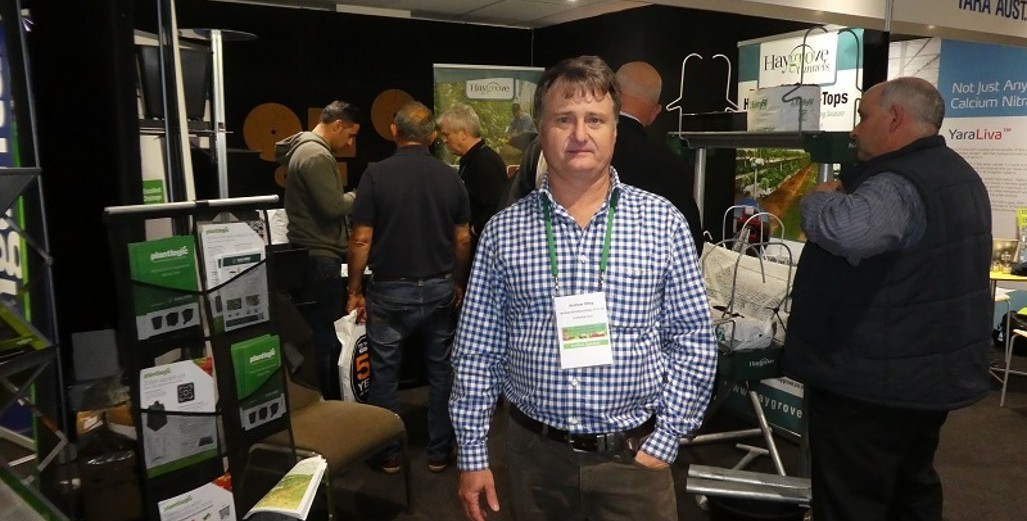
Andrew Olley, well-respected agronomist and consultant, talked about growing berries in low tech structures at the HFF conference in Melbourne last week. It was interesting as it appears the same low cost, low investment strategy, happening in Australia is also transpiring in New Zealand, with outdoor soil berry growers moving to covered growing in substrates.
Andrew said advice provided by irrigation and growing system suppliers is often poor due to their background being the supply of soil-based system components. Andrew believes the wealth of knowledge, in vegetable-based hydroponics, has not been sort or discovered by berry growers due to the fear of high capital costs seen in more controlled hydroponic systems.
A colleague and I sat, throughout his presentation, shaking our heads in agreement and astonishment at the basic mistakes some Australian growers are making. It was highlighted that the Australian berry growers, venturing out of soil, are treading cautiously. Unfortunately, their approach has the growers facing issues, such as having built substandard structures with poor internal layouts, poor water quality and delivery systems, and a total lack of technical advice from experienced consultants. The problems there experiencing may appear standard to many that have been growing in high tech greenhouses.
Andrew’s presentation focused on light, water and substrates. I believe you will have a much better opportunity of achieving success, switching from outdoor to indoor berry production, if you take note of Andrew’s advice below;
Water
- Know your water chemistry (seek independent advice)
- Know your water quality, are you using fresh or recycled water? (have it tested for nutrient levels) Make sure elements in your water don’t attribute to drippers blocking.
- Dose your nutrient, do not fertigate it.
- Understand how to irrigate in a closed structure. Collect your drain water and test to know what is happening in your substrate.
- Use filters and water treatment techniques commonly used in vegetable systems.
In Australia, where it is very hot, tunnel houses have been built to grow berries on slopes for ventilation. The hot air rises and rushes up the tunnel houses. Pressure compensated drippers will drain under gravity and when using precise delivery techniques will not be as effective when large slopes are involved, therefore detailed hydraulic designs are essential.
Light and Density
- In the greenhouse vegetable industry, we generally base our rows on North-South, but if you are growing strawberries using a fixed, triangle tiered gutter system, it will be shading lower rows. Plants that are shaded will use less water, therefore if all the rows are on the same irrigation valve, every row will have different fertiliser levels and water contents. This may cause an issue, as you will need to irrigate for the driest row, causing overwatering on the shaded rows that have transpired less. The effect over time is dramatic, rightly highlighted in this presentation. It is disabling the ability to grow evenly.
- Plant density, from outdoor soil growing to soil less covered cropping is different. This will affect irrigation layouts dramatically. Receiving the correct independent advice for your situation is paramount.
Substrates
- Many growers are using coir substrates but not all coir’s are the same so it is important to make sure you are matching up volumes and chip size needed for your particular crop, and staying with trusted and recognised suppliers to eliminate unwanted surprises.
- Australian berry growers are not yet using stone-wool products as their knowledge and understanding of how to use these products is limited.
- Using white plastic instead of black plastic on the bags/buckets is important for reducing root temperatures.
I strongly recommend if you are thinking of growing berries in greenhouses you use a consultant like Andrew. To learn more about Andrew’s presentation or his consultancy services email: andrew@myriadint.com.au or check out his website www.myriadint.com.au
I appreciate your comments. Please feel free to comment below or on the grower2grower Facebook page:
https://www.facebook.com/StefanGrower2grower/
Article Written by Stefan Vogrincic, Consultant, Grower2Grower
CLASSIFIED












Subscribe to our E-Zine
More
From This Category
April 20, 2026
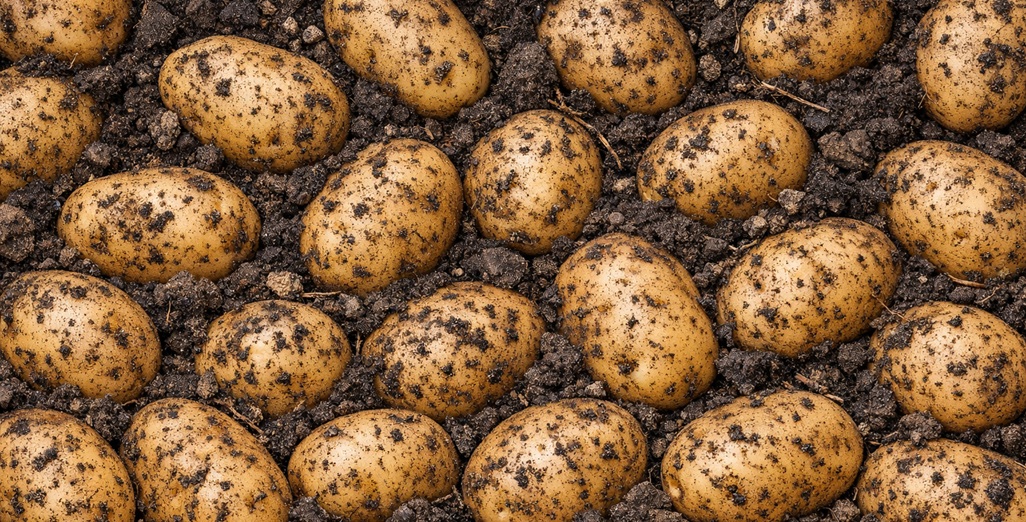
The Environmental Protection Authority (EPA) has approved a new fungicide seed treatment to control disease on potatoes.
The New Zealand potato industry is valued at approximately $1 billion annually, according to Potatoes New Zealand.
April 20, 2026
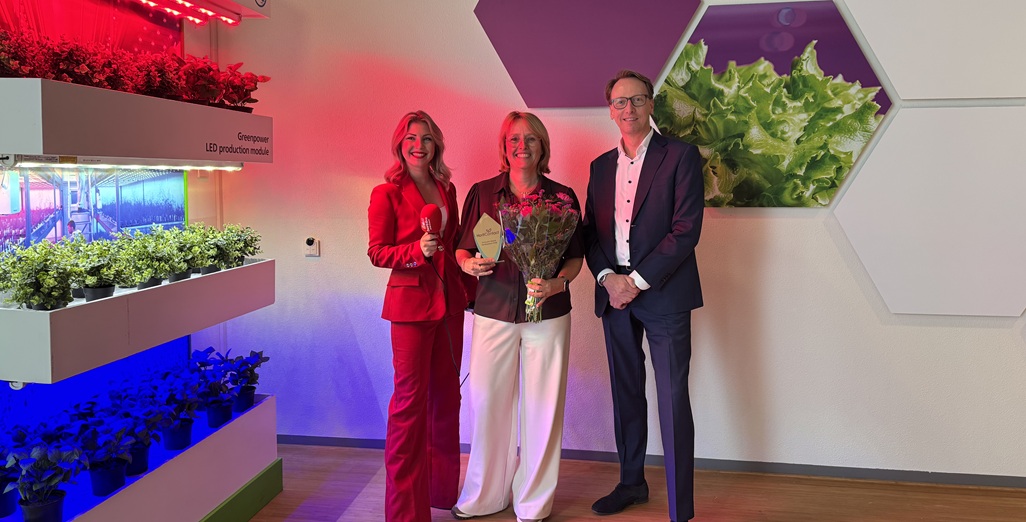
Signify wins HortiContact Innovation Award for Philips intelligent horticulture lighting solutions
“We are incredibly proud of this recognition”
April 7, 2026
Proposed import requirements for fresh blueberries (Vaccinium spp.) for human consumption
Make your submission
March 23, 2026
The Environmental Protection Authority (EPA) maintained the upward trend for hazardous substances decisions in the second quarter of the 2025-26 year.
Dr Lauren Fleury, Manager Hazardous Substances Applications, says the EPA continues to use rapid assessment pathways where possible. Of the 16 approved applications in the second quarter, 13 were decided by rapid assessment.
March 23, 2026
Source Advances Harvest Forecasting for Tomatoes with Next Generation AI Model
Fundamental changes to how the model learns and handles grower input mean significantly less manual work and meaningfully better accuracy.
March 10, 2026
Australia’s horticulture sector has delivered a year of record‑breaking performance
Highest production value to date of $18.4 billion, up 6% on the previous year.
CLASSIFIED