
Sign up here to subscribe to the Grower2grower Ezine. Every two weeks you will receive new articles, specific to the protected cropping industry, informing you of industry news and events straight to your inbox.
28
Aug 2018
Aug 2018
The Pukekohe GREENHOUSE Hub?
The urban sprawl and the effect on outdoor Pukekohe growers. What are the alternatives?
Last week, I read a report prepared for Horticulture New Zealand presenting current and potential future effects on the growing hub of Pukekohe. There is concern, because of the urban sprawl, we will lose some of the best fresh vegetable growing areas in NZ. I quote” For an area accounting for only 3.8% of New Zealand’s total hectares of fruit and vegetable production, the Pukekohe hub punches far above its weight. The revenue generated by the hub’s horticulture businesses of $327 million equates to 26% of New Zealand’s total domestic value of vegetable production, and to a lesser extent of fruit.”
After reading this very interesting report, I could not help but think of the opportunities and possibilities, which were only briefly covered, as potential alternatives to providing the fresh fruit and vegetables we rely on for both local and export markets. What role will new technology play and in particular, how will greenhouse production potentially be a solution to producing the types of food that is mainly been grown in the market gardens of Pukekohe?
In the 63-page document I found a point, on page 44, that mentioned glasshouses, ‘Growers change farming practices in response to land use constraints. For example, they might change their operations to intensive production methods, like glasshouses or vertical farming, or may increase machinery or labour to crop more efficiently on their existing land. The greenhouse industry worldwide, the opportunities and growth it is experiencing is what I would suggest be considered.
After 23 years in the greenhouse industry, travelling and working in the UK, visiting Holland and contracting to a Dutch substrate company, I am convinced a large amount of the food, still grown outdoors, could in the future be grown in greenhouses using current methods we use today and differing types of vertical farming systems. Recently I have written articles about technology and its rapid advancement, it is moving so fast that keeping up with it is almost impossible. Intensification, producing every gram possible per m2 of area, is and will only be a consequence of the ideal growing conditions a greenhouse offers. There are of course constraints, the biggest being the margins and return on capital investment when building a greenhouse, but if we are serious about maintaining and growing our food production then greenhouses should be a huge part of this discussion and seen as a positive solution. We are lucky to have on our doorstep, world leading greenhouse construction companies and all the required support businesses in South Auckland already. Possibly some sort of regional development fund from government could help investigate converting current market garden crops to greenhouse production?
If you read part's the following article you will understand I am not alone in the way I view how greenhouses should be considered as a genuine addition to help protect our growing food industry.
I think the report I read last week, is a good and fair representation of what will happen as the urban sprawl of Pukekohe grows. I hope the Pukekohe outdoor growers are able to protect their lands for sustainable cropping but I hope they take a look at the pathway that tomato, cucumber, capsicum and eggplant growers have potentially laid for them.
With change comes opportunity.

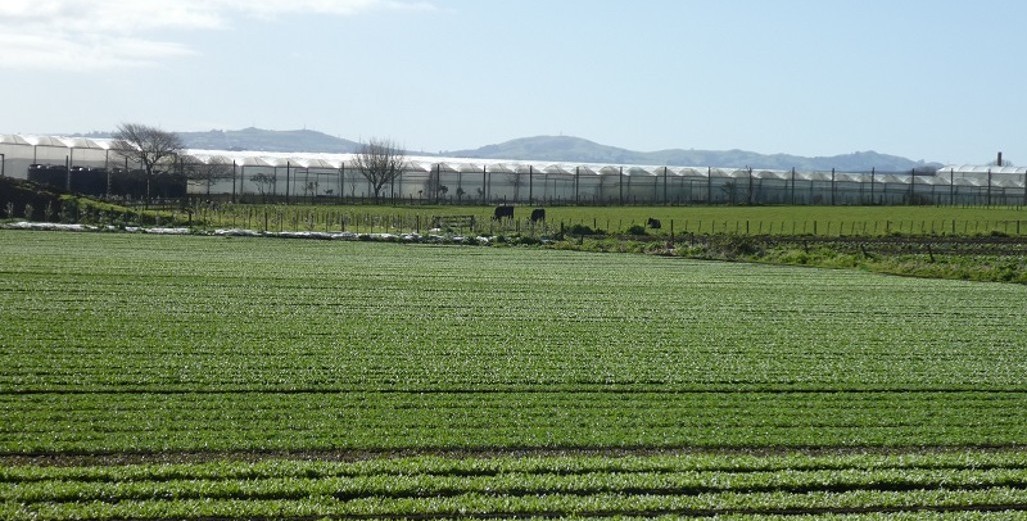
Greenhouses are already a major part of the Pukekohe and South Auckland landscape. These photos illustrate that. The cover photo and these photos are taken in Pukekohe West only a few Klm from the Pukekohe township.


This photo was taken directly from the dividing line between cropping land in Pukekohe West and the current urban sprawl. Only a few years ago, the land where the new buildings are was producing vegetable crops.

I appreciate your comments. Please feel free to comment below or on the grower2grower Facebook page:
https://www.facebook.com/StefanGrower2grower/
Article Written by Stefan Vogrincic, Consultant, Grower2Grower
Article based on the reoport prepeared for Horticulture New Zealand: New Zealand's Food Story: The Pukekohe hub August 2018
CLASSIFIED









Subscribe to our E-Zine
More
From This Category
May 19, 2026
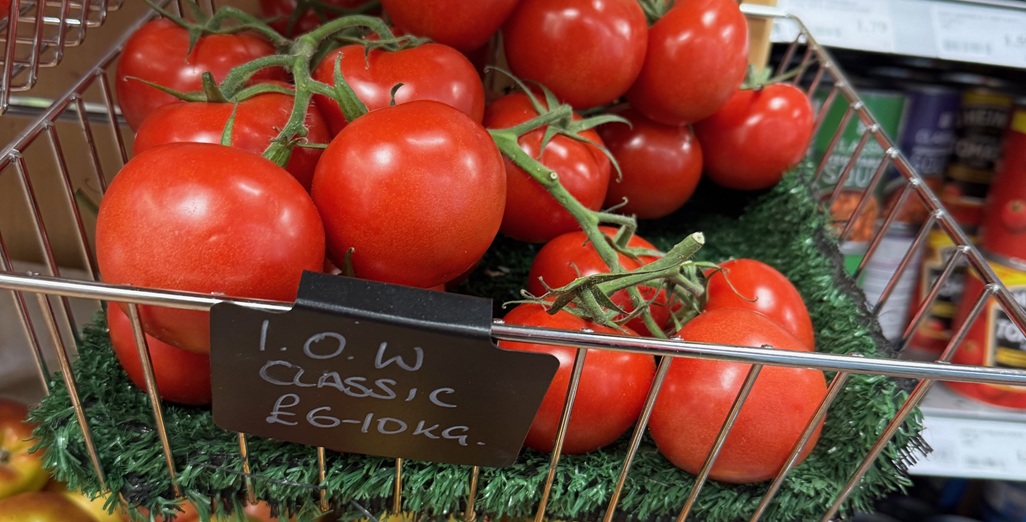
Food Costs in England – “Cheap as Chips in the Supermarket, Astronomical Eating Out”
Yesterday (18 May) I returned from more than three weeks in UK. As usual, my first port of call when arriving in England was the supermarket — and particularly the vegetable section, much to the annoyance of my wife. Before long I was snapping photos of my favourite greenhouse vegetables.
May 19, 2026
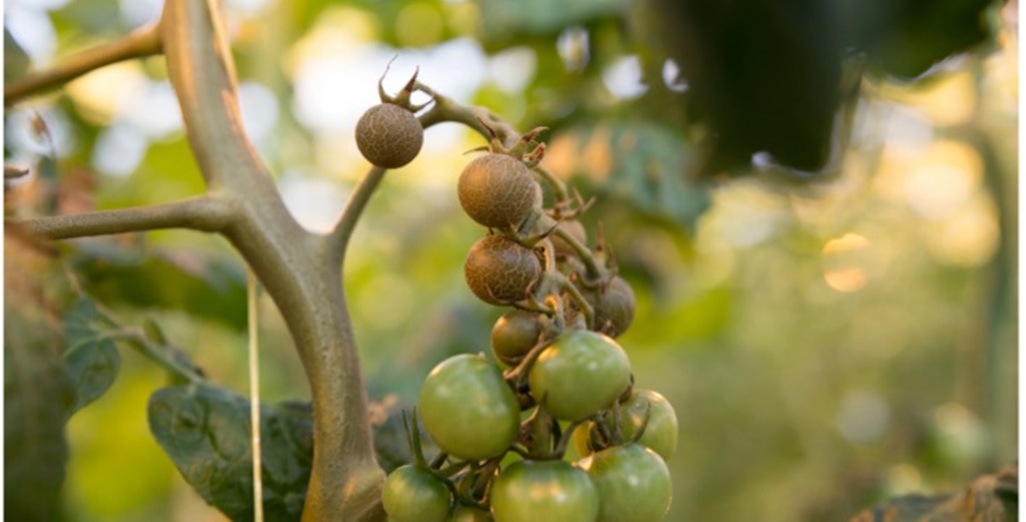
New technote for Tomato russet mite
New guidance on the use of chemical miticides for Tomato russet mite control provides growers with a broader range of management options.
May 5, 2026
Increasing cash: why extra height makes the difference for return and future
Raising a greenhouse is not a stopgap measure, but rather a strategic choice:

May 5, 2026
Horticentre Charitable Trust Continues Partnership with Grower2Grower for 2026
“Shared knowledge builds stronger growers and a stronger industry.”
April 20, 2026
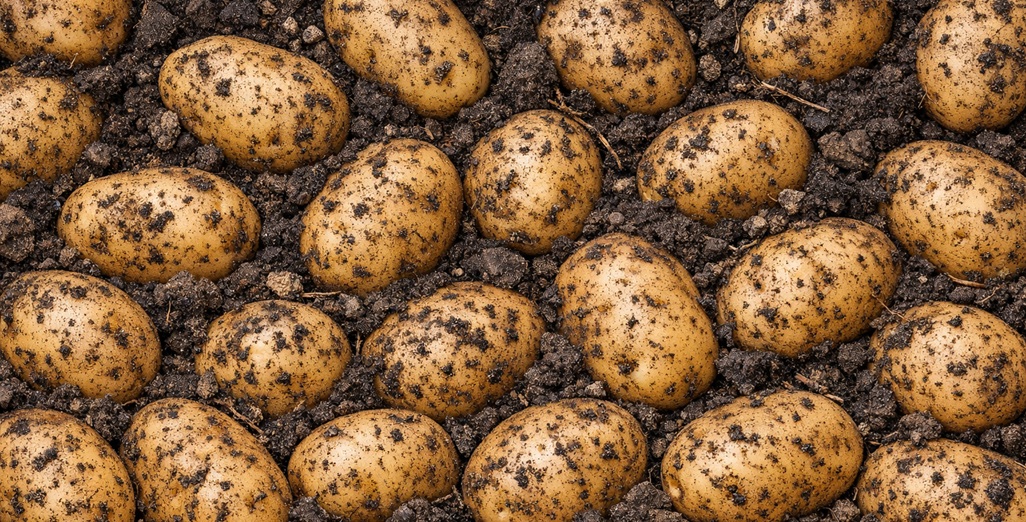
The Environmental Protection Authority (EPA) has approved a new fungicide seed treatment to control disease on potatoes.
The New Zealand potato industry is valued at approximately $1 billion annually, according to Potatoes New Zealand.
April 20, 2026
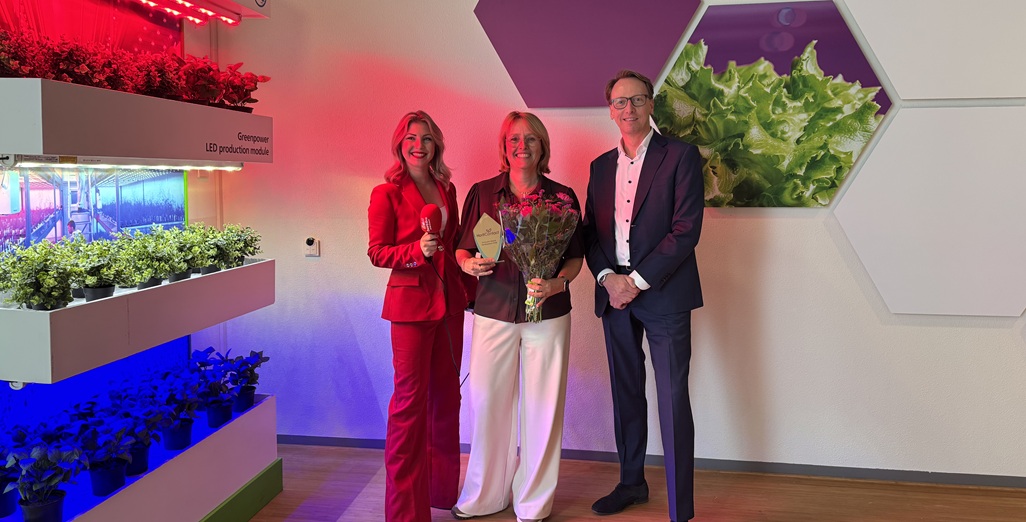
Signify wins HortiContact Innovation Award for Philips intelligent horticulture lighting solutions
“We are incredibly proud of this recognition”
CLASSIFIED