
Sign up here to subscribe to the Grower2grower Ezine. Every two weeks you will receive new articles, specific to the protected cropping industry, informing you of industry news and events straight to your inbox.
11
Sep 2018
Sep 2018
Wanting to Build a Second-Hand Greenhouse?
What you need to know.
Peter Holwerda, Sales Manager, Apex Greenhouses, sent me an excellent e-mail last week in response to a classified in Grower2Grower, from a person wanting to purchase a second-hand greenhouse. The email highlighted the unforeseen issues importing a second-hand greenhouse from overseas might cause you.
Apex Greenhouses will import second hand greenhouses from Holland. They are able to have them prepared to any client specification. If it is a fairly straight forward glasshouse they generally work out costing around 15-20% less than a new build but they are usually already 10-15 years old. Apex will take care of all shipping, customs clearance and delivery to site. Most of the greenhouses imported are only four meters high but Apex will add longer posts (probably new) if the client wants a higher height. The imported greenhouse will need new tempered roof glass and new wall glass.
What you need to be aware of:
- There are NO guarantees on the running gear and NO warranty.
- If there is any indication of dirt or contamination detected by MAF, there might be a rather large cleaning cost to the client. While the suppliers say they clean the materials, something could sneak through which Apex would not be responsible or liable for.
- Engineering code: New Zealand Building Codes, are quite a bit higher graded than the Dutch. Apex have found that some designs from Holland do not comply with New Zealand standards. New Zealand wind zone calculations are quite a bit higher and earthquakes now also has an effect.
- It is advised that before ordering a second-hand overseas greenhouse, that an engineer from Apex check out if the greenhouse you want to purchase would comply with the New Zealand building code. You should source as much information as possible regarding engineering calculations from the overseas supplier of the second-hand greenhouse.
- Non-Compliance: If the structure does not comply then the greenhouses can be strengthened or rectified before shipping. Some truss designs from Holland, that are 10-15 years old, are 50% weaker than the Apex designed trusses.
- Even second-hand New Zealand greenhouse structures might not be up to the most recent building codes. Again, you should make sure that this is checked by an engineer before you proceed.
These are just some of the issues that could occur when importing second hand greenhouses as Peter explains: “It can be a bit tricky and there are some hurdles but even if you can find a second hand one in NZ, the building code updates in the last 10 years, might even require replacing posts or other parts. Please check with me for advice if it will pass the code without major consequences.”
Initially you might save 15-20% buying a second-hand greenhouse, compared to a new greenhouse, but that is if everything goes well. Is it worth the risk? If you have a budget then building a greenhouse brand new, that was 15-20% smaller, but was within the budget would be something I carefully consider.
For more information please contact Peter at Apex Greenhouses:
Peter Holwerda
Sales Manager | Apex Greenhouses (NZ) Ltd
6 Hosking Place, Waiuku,2123, Auckland
peter@apexgreenhouses.co.nz | P +64 9 235 8618 | M +64 21 725 430 | apexgreenhouses.co.nz

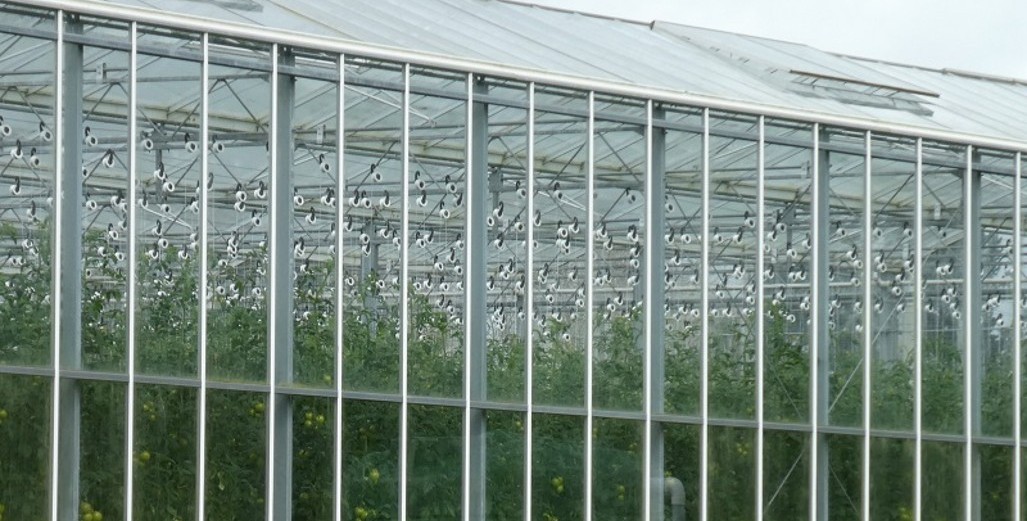
Cover image is a second hand Dutch greenhouse re-built by Apex Greenhouses in the Pukekohe district.
I appreciate your comments. Please feel free to comment below or on the grower2grower Facebook page:
https://www.facebook.com/StefanGrower2grower/
Article Written by Stefan Vogrincic, Consultant, Grower2Grower, with the help of Peter Holwerda from Apex Greenhouses.
CLASSIFIED











Subscribe to our E-Zine
More
From This Category
April 20, 2026
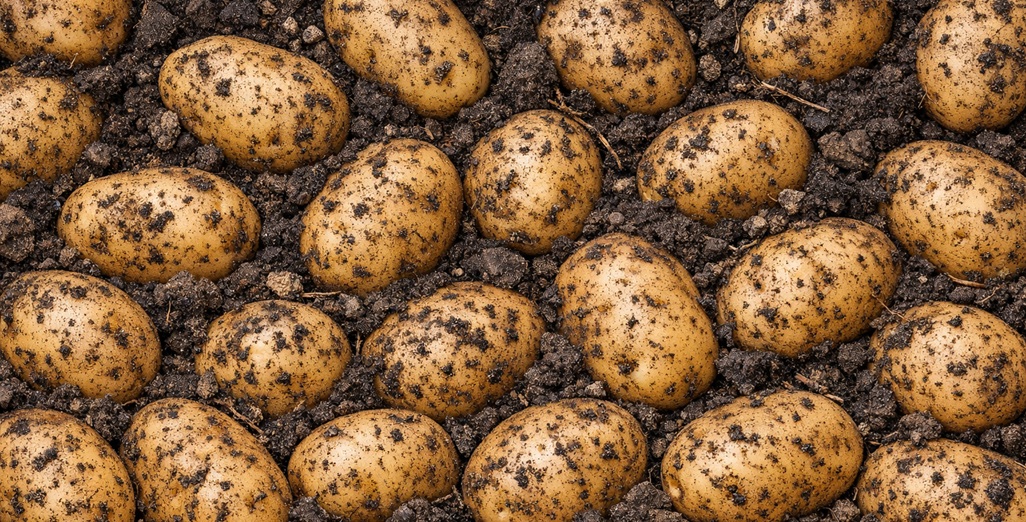
The Environmental Protection Authority (EPA) has approved a new fungicide seed treatment to control disease on potatoes.
The New Zealand potato industry is valued at approximately $1 billion annually, according to Potatoes New Zealand.
April 20, 2026
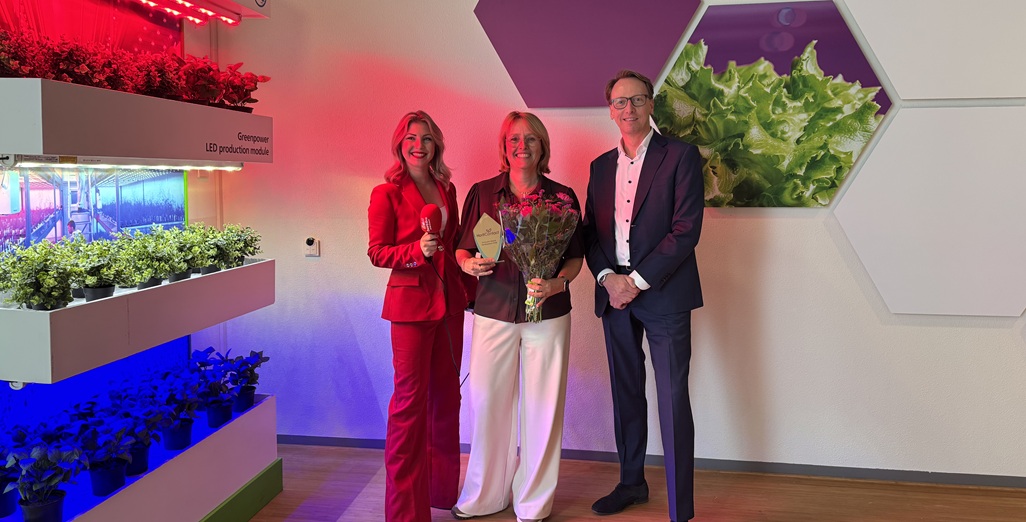
Signify wins HortiContact Innovation Award for Philips intelligent horticulture lighting solutions
“We are incredibly proud of this recognition”
April 7, 2026
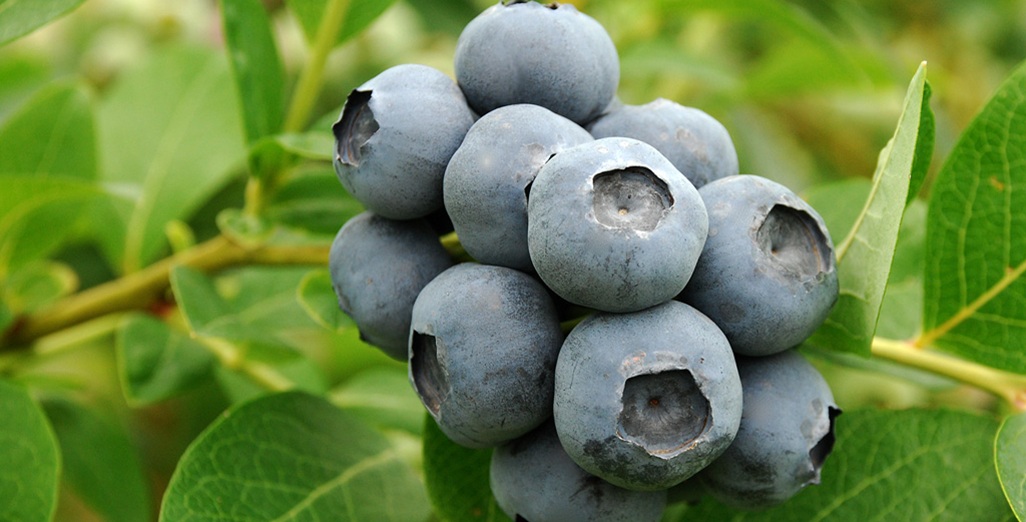
Proposed import requirements for fresh blueberries (Vaccinium spp.) for human consumption
Make your submission
March 23, 2026
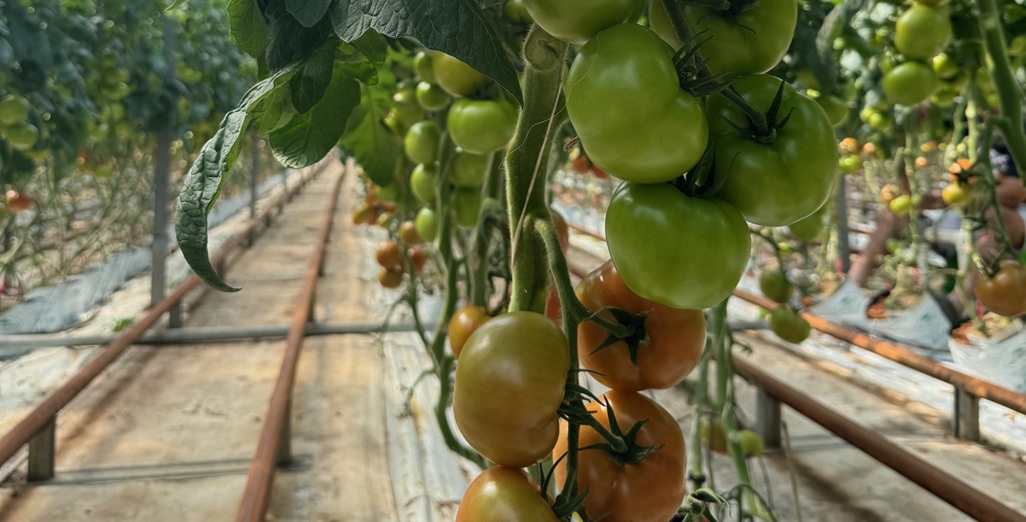
The Environmental Protection Authority (EPA) maintained the upward trend for hazardous substances decisions in the second quarter of the 2025-26 year.
Dr Lauren Fleury, Manager Hazardous Substances Applications, says the EPA continues to use rapid assessment pathways where possible. Of the 16 approved applications in the second quarter, 13 were decided by rapid assessment.
March 23, 2026
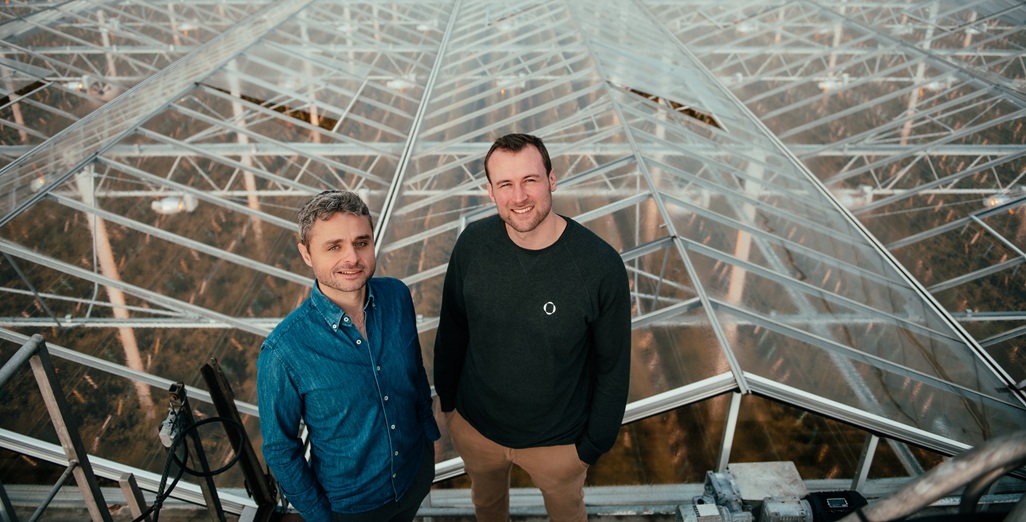
Source Advances Harvest Forecasting for Tomatoes with Next Generation AI Model
Fundamental changes to how the model learns and handles grower input mean significantly less manual work and meaningfully better accuracy.
March 10, 2026
Australia’s horticulture sector has delivered a year of record‑breaking performance
Highest production value to date of $18.4 billion, up 6% on the previous year.
CLASSIFIED