

Sign up here to subscribe to the Grower2grower Ezine. Every two weeks you will receive new articles, specific to the protected cropping industry, informing you of industry news and events straight to your inbox.
24
Oct 2018
Oct 2018
Ghost Spotting
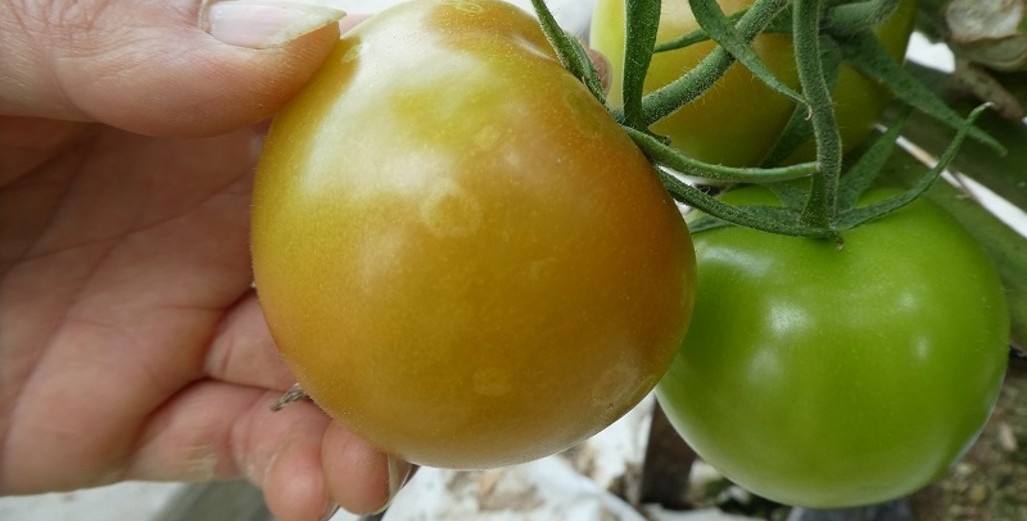
Control Advice
Below is advice on controlling ‘ghost spotting’ on tomatoes. Ghost spotting is avoidable, however, it will always cause issues if conditions are favourable. Despite a reduction in ghost spotting, as we are closing in on summer, there is still a certain amount of affected fruit to be picked in the upcoming weeks. This will cause issues for growers, who have to grade this fruit as seconds, and what you don’t want now is an increase in seconds, especially as the volumes increase in the market and the price for second grade fruit drops rapidly. Some growers will be tempted to turn their heaters off, which is totally a personal decision, but if you do then you still run a small risk of further spotting on the fruit.
Cause: Botrytis cinerea, a fungus. Symptoms of ghost spot on fruit result from the fungus' unsuccessful attempt to infect. There is no rot, but fruit is unmarketable. The fungus can also colonize leaves and stems. The disease is promoted by wet, humid conditions.
Symptoms: Faint, pale halos (3 to 8 mm in diameter) appear on fruit. They are white on immature fruit, yellow on ripe fruit. A small necrotic fleck may appear along with the halo. Spots rarely develop further, however a change to favourable conditions allows Ghost Spot to proceed to fruit rot.

Control: Botrytis can be controlled by management of environmental conditions, sound cultural practices, and fungicide applications.
- Good circulation to reduce humidity within the canopy and minimise leaf wetness. Manage excessive foliage to encourage air flow and rapid drying.
- Use your heating and venting appropriately and efficiently to control morning fruit sweat.
- Keep a balanced plant, not over generative and not over vegetative. I understand this sounds basic but it is far from that as each individual crop has to be grown accordingly, but definitely an over vegetative crop is not ideal.
- Remove dead or infected plant parts such as flowers, leaves, and rotted fruit.
- Preventative spraying, especially if you have a heating breakdown or have history of ghost spotting. There are both biological and chemical options available

I appreciate your comments. Please feel free to comment below or on the grower2grower Facebook page:
https://www.facebook.com/StefanGrower2grower/
Article Written by Stefan Vogrincic, Consultant, Grower2Grower
CLASSIFIED











Subscribe to our E-Zine
More
From This Category
April 20, 2026
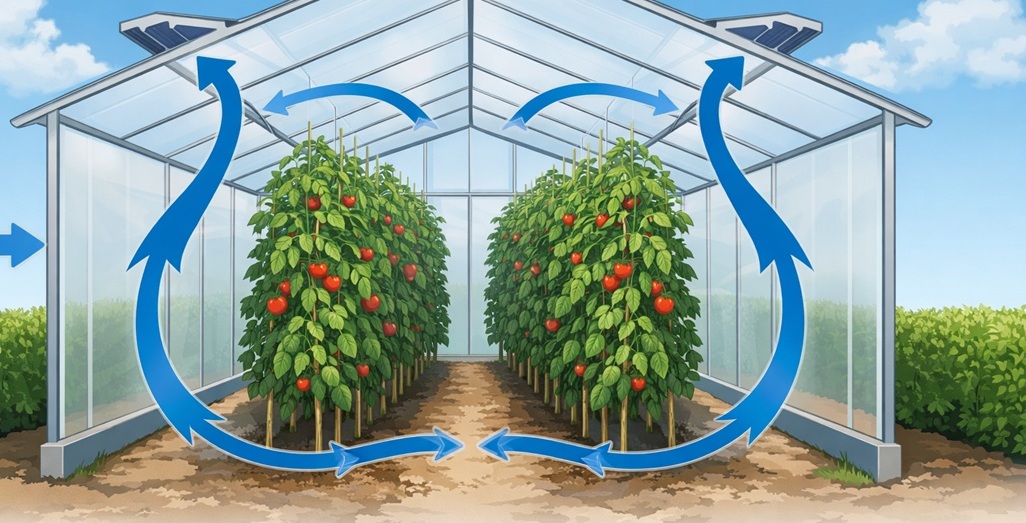
Autumn Challenges: Managing Humidity, Energy Constraints and Crop Balance
A Perfect Storm for Crop Performance
April 7, 2026
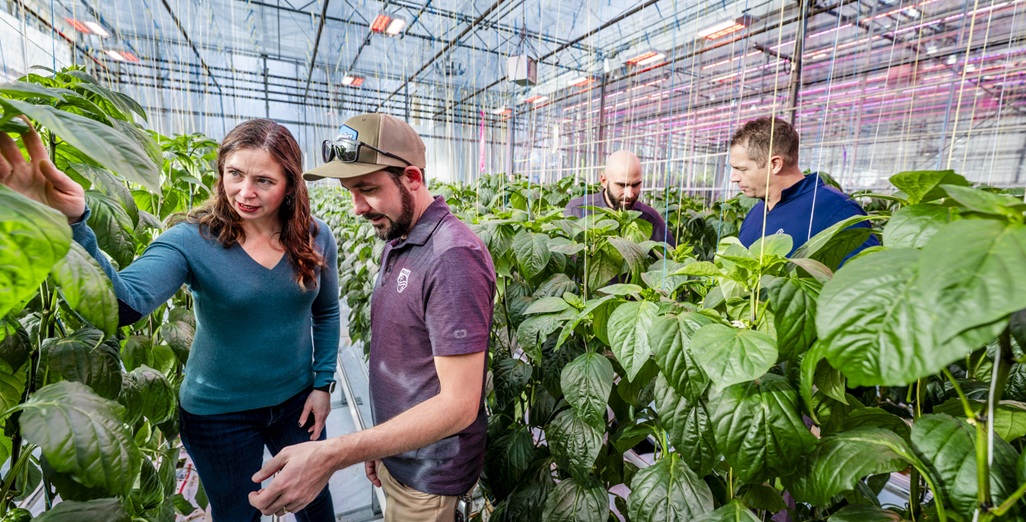
Signify and University of British Columbia collaborate to further explore feasibility of sustainable year-round greenhouse pepper production
Trial paves the way for growers to capitalize on the market opportunity to provide locally grown bell peppers during the winter months.
April 7, 2026
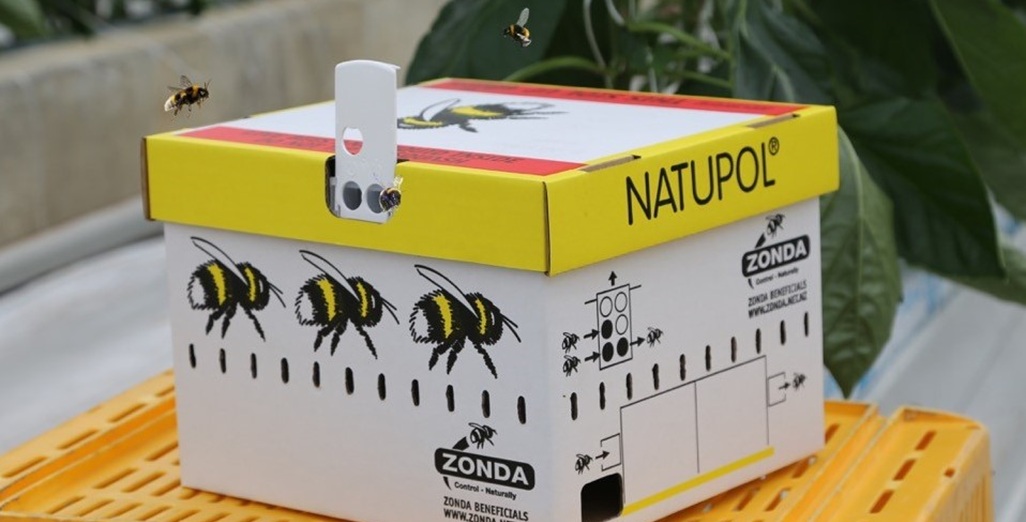
Think It’s the Bees? Think Again
Proven Hive Performance Suggests Auckland’s Climate and Crop Conditions Are the Key Limiters. Every year, Zonda receives calls from growers saying “the bees aren’t working” and requesting new hives. While hives are sometimes replaced, these cases consistently show that the bumblebees are performing as expected. The real challenge? Humidity, Auckland weather, and plant conditions.
March 23, 2026
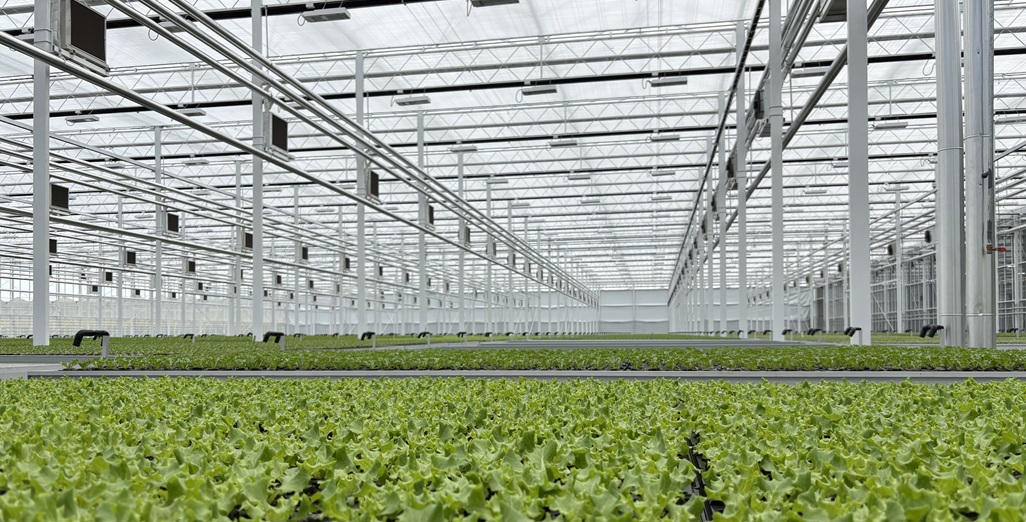
Plant-optimized spectrum to maximize photosynthetic efficiency and productivity:
27% higher yield and 40% energy savings in tomato greenhouse drive Woodeumgee Farm to repeat investment in Philips horticulture LED solution
March 10, 2026
Where Does Fusarium Sit on Your Priority List?
When discussing crop health during technical strategy meetings, Fusarium often does not sit particularly high on the list of priorities.
February 23, 2026
A proven opportunity in strawberry cultivation with indoor-grown generative young plants
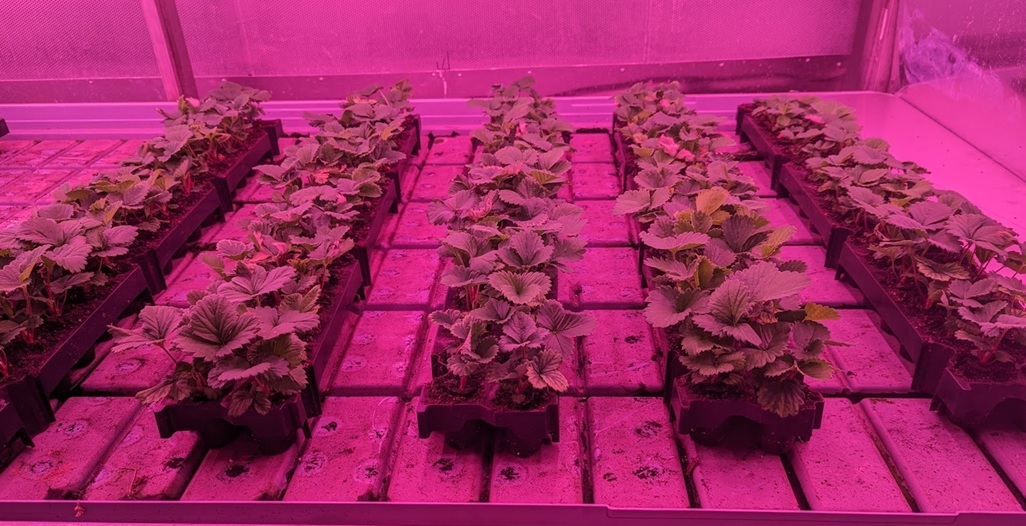
Indoor strawberry young-plant production is moving from a promising concept to a proven opportunity. Recent trials with F1 hybrid varieties grown from seed in fully controlled facilities have shown faster development of young plants, a roughly 40% higher fruit yield in the greenhouse, harvesting two weeks earlier, and a clean, chemical-free starting point.
CLASSIFIED