
Sign up here to subscribe to the Grower2grower Ezine. Every two weeks you will receive new articles, specific to the protected cropping industry, informing you of industry news and events straight to your inbox.
6
Nov 2018
Nov 2018
Spring weather has been kind (until last week)

I tempted the weather gods!
Two weeks ago, I wrote about the great spring weather we’ve had and how I’d noticed the increased fruit load, normally seen further into the late spring/early summer, and that you may need to consider making slight adjustments if the weather turns!! So, I do apologise to all of the greenhouse growers out there for tempting fate! Because rain it has!! I was talking to a dairy farmer from Morrinsville, last week, and he said to me if they did not get any rain in the next two weeks, it was looking like a long summer. I believe greenhouse growers, with water storage ponds filled from rain water, will also be sighing with relief.
With the rain has come the ever so slightly late equinox winds. I always prefer the rain to, rain combined with strong winds. Today (1st of November) is a perfect example of why strong winds and intermittent rain showers are a pain. The clouds move quickly, and because of this the light levels rapidly change – over 300 joules per/hour one minute then back to 50 joules per/hour, and then back to 300 joules per/hour about a million times in a day (exaggerated of course but multiple times)!! At this time of year, the sun will quickly heat up the greenhouse. The high wind and rain will cause venting capacity to be restricted. Not only will the greenhouse temperature increase quickly but so will humidity. Once the rain stops, it takes time for the rain sensor to dry and for the vents to open again. Once the vent does open and the temperature and RH reduce to a normal level, a cloud appears and it starts raining again!
I remember feeling like a cat chasing its tail during this weather. But over the years I’ve learnt that dropping the day time minimum pipe temperature is not the best approach. My intentions were to keep the plants and environment dry, not necessarily use the pipe to keep the environment warm. What minimum pipe temperature you choose to have will be dependent on the outside temperature.
If I did not use a minimum pipe, and possibly more important maximum pipe setpoints, the temperature would fluctuate, which is annoying, but more of a concern is the large swings’ in Relative Humidity. Reducing fluctuations during this weather, I would prefer to keep a minimum pipe of at least 35 degrees and a maximum of 40 degrees. It is easier said than done, but I advise your lee-side vent does not close below 15%. On this particular day the outside temperature was 14 degrees. You need a plan and that would be my strategy.
It is still not perfect, the weather will dictate, but if you use a tight minimum and maximum pipe setpoint, you might be happily surprised to find that the fluctuation in temperature is not that bad and there is less fluctuation in RH, and that is important.
Irrigation is very difficult during this weather. The irrigation automatically starts irrespective if there is sun or rain. If it is raining, you will have a large amount of runoff due to reduced uptake, then the cloud disappears and the sun shines again!!
Growing in New Zealand is a challenge but life would be boring without these challenges.

The blue line is humidity. The green line is greenhouse temperature. The red line the light level. You can see why growing on a day like this has its challengers. The start of the next day, the 2nd of November, illustrates how much easier it is when the weather is good. Image taken in the South Auckland area.
I appreciate your comments. Please feel free to comment below or on the grower2grower Facebook page:
https://www.facebook.com/StefanGrower2grower/
Article Written by Stefan Vogrincic, Consultant, Grower2Grower
.JPG)
Image from my balcony at 1pm on November 1st.
CLASSIFIED











Subscribe to our E-Zine
More
From This Category
April 20, 2026
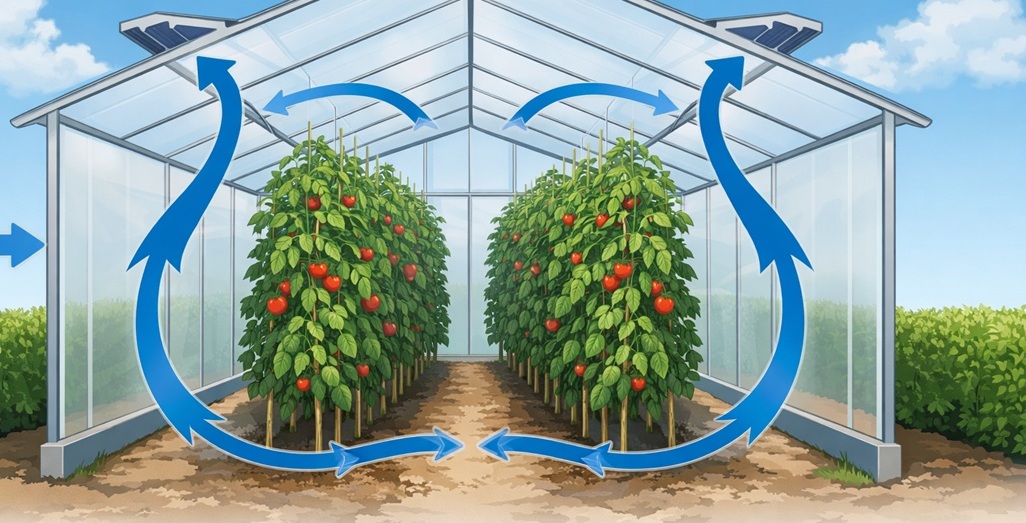
Autumn Challenges: Managing Humidity, Energy Constraints and Crop Balance
A Perfect Storm for Crop Performance
April 7, 2026
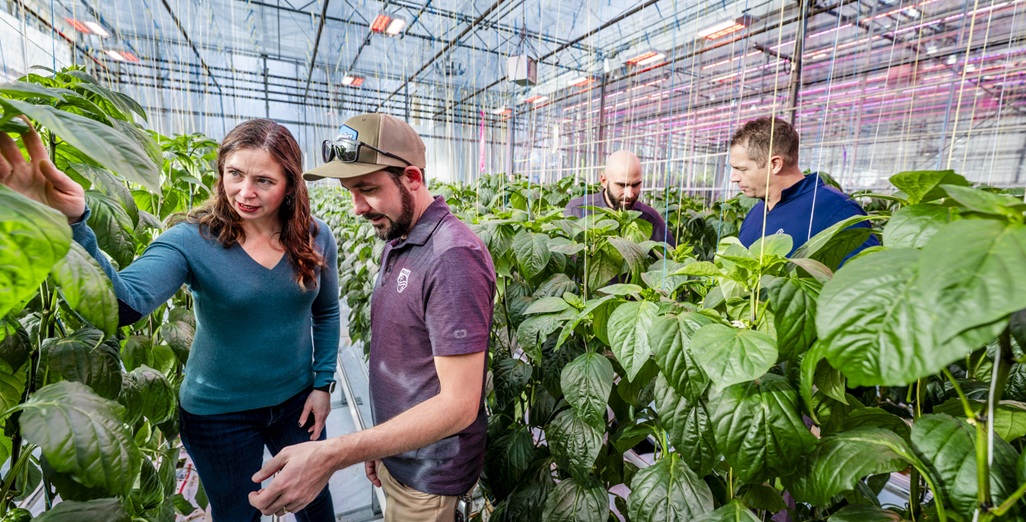
Signify and University of British Columbia collaborate to further explore feasibility of sustainable year-round greenhouse pepper production
Trial paves the way for growers to capitalize on the market opportunity to provide locally grown bell peppers during the winter months.
April 7, 2026
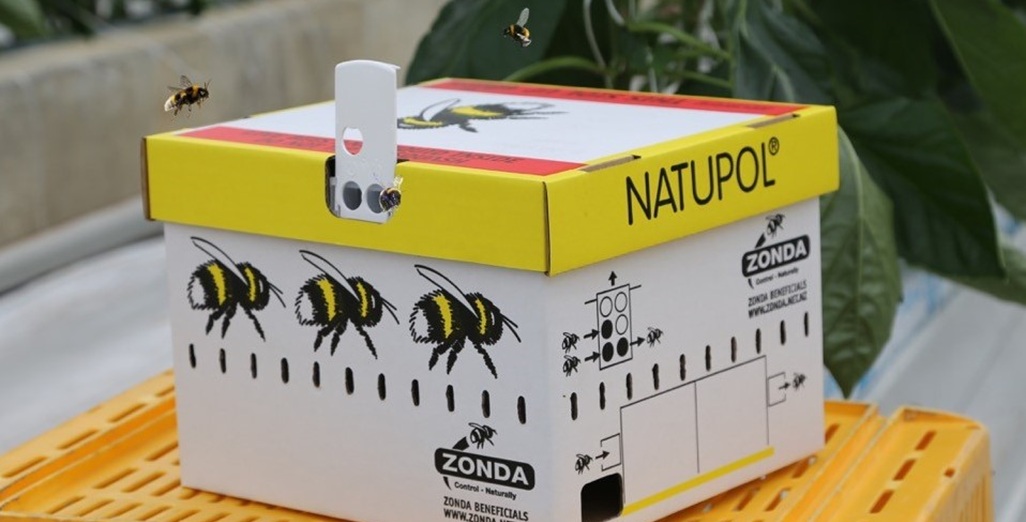
Think It’s the Bees? Think Again
Proven Hive Performance Suggests Auckland’s Climate and Crop Conditions Are the Key Limiters. Every year, Zonda receives calls from growers saying “the bees aren’t working” and requesting new hives. While hives are sometimes replaced, these cases consistently show that the bumblebees are performing as expected. The real challenge? Humidity, Auckland weather, and plant conditions.
March 23, 2026
Plant-optimized spectrum to maximize photosynthetic efficiency and productivity:
27% higher yield and 40% energy savings in tomato greenhouse drive Woodeumgee Farm to repeat investment in Philips horticulture LED solution
March 10, 2026
Where Does Fusarium Sit on Your Priority List?
When discussing crop health during technical strategy meetings, Fusarium often does not sit particularly high on the list of priorities.
February 23, 2026
A proven opportunity in strawberry cultivation with indoor-grown generative young plants
Indoor strawberry young-plant production is moving from a promising concept to a proven opportunity. Recent trials with F1 hybrid varieties grown from seed in fully controlled facilities have shown faster development of young plants, a roughly 40% higher fruit yield in the greenhouse, harvesting two weeks earlier, and a clean, chemical-free starting point.
CLASSIFIED