

Sign up here to subscribe to the Grower2grower Ezine. Every two weeks you will receive new articles, specific to the protected cropping industry, informing you of industry news and events straight to your inbox.
23
Dec 2021
Dec 2021
Cherries under cover
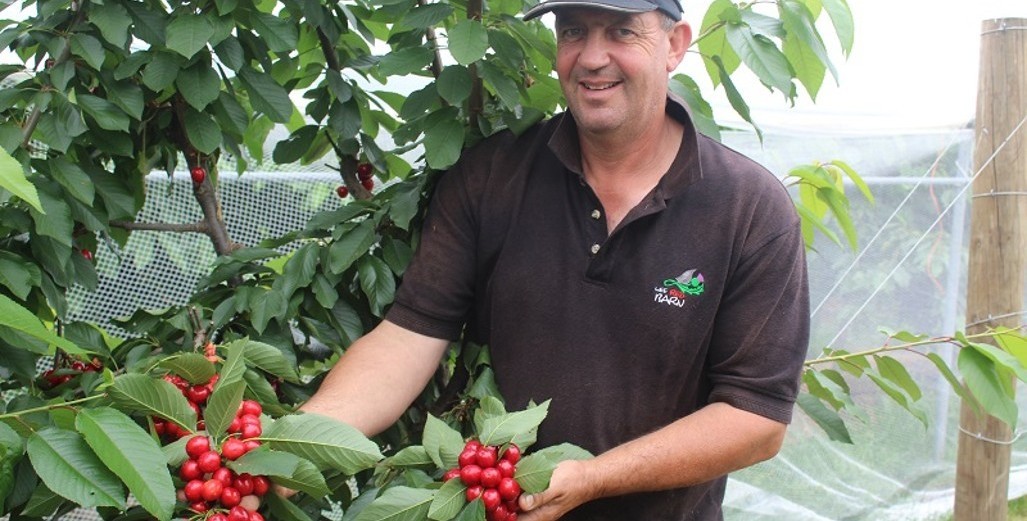
Is this the future?
On December the 17th TVNZ news ran a story about the damage the weather conditions had caused NZ cherry crops. Excessive rain (unwanted precipitation at the wrong time) can split cherry crops as excess water is taken in by the plant and therefore splits mature fruit, it is similar to crazing in tomatoes. The benefit we have (greenhouse growers) is that we have exact control over water application, whereas currently, cherry growers do not. Earlier the same week as TVNZ broadcast the story Mike Nichols, Massey University, sent me this update on a trial cherry crop that had been grown in a protected – semi controlled greenhouse environment.
With Cherry crops being worth so much to growers and the potential return high, it seems like some business case studies would well be worth the exercise for cherry growers. I hope they find Mike’s update very interesting and valuable as I have.
CHRISTMAS CHERRIES
by Mike Nichols
In 2017 I organised for Alan Bissett (of the Wee Red Barn, near Masterton, New Zealand) to purchase some 200 cherry trees, which had been grown in root restricting bags in a greenhouse in North Otago. These “mature” trees were dully freighted up to Masterton, and planted in four Haygrove tunnels. Incredibly they produced just over about 4 kg per tree of ripe cherries just before Christmas.
This year, after what is best described as a low/no pruning strategy I visited the property on 13 December. It was raining, but no problems as the Haygrove tunnels kept the fruit dry, (so no splitting), and the tunnels supported nets which prevented birds (at least most of them) from damaging the fruit. We estimated that the yield would be in the region of 10kg/tree, which at pre-christmas cherry prices would provide a very nice income—particularly as all the fruits could be harvested from the ground.
With global warming, it is difficult to justify the emphasis on producing rain sensitive fruit in traditionally low rainfall areas, when there is so much uncertainty with future weather patterns. Perhaps it is time to consider rain-proofing such crops?
Has anyone tried producing cherries in the Waikato? I imagine that away from the coast that there would be sufficient winter chilling.

I appreciate your comments. Please feel free to comment below or on the grower2grower Facebook page:
https://www.facebook.com/StefanGrower2grower/
Article written and supplied with photo by Dr Mike Nichols.
CLASSIFIED









Subscribe to our E-Zine
More
From This Category
April 20, 2026
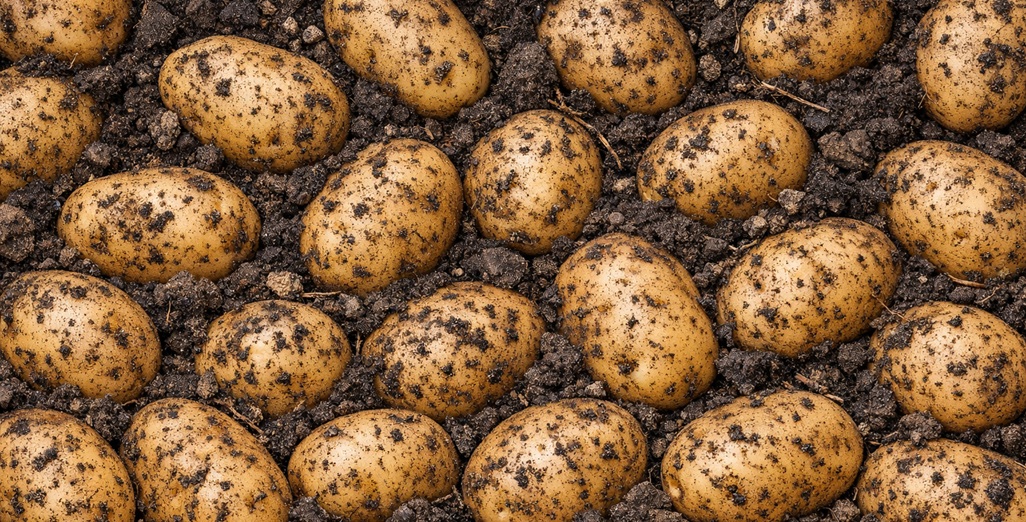
The Environmental Protection Authority (EPA) has approved a new fungicide seed treatment to control disease on potatoes.
The New Zealand potato industry is valued at approximately $1 billion annually, according to Potatoes New Zealand.
April 20, 2026
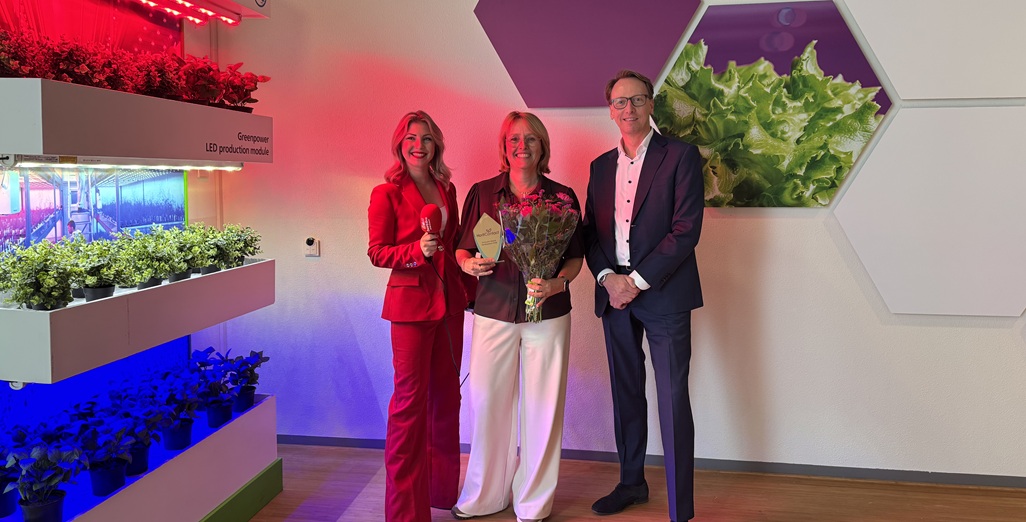
Signify wins HortiContact Innovation Award for Philips intelligent horticulture lighting solutions
“We are incredibly proud of this recognition”
April 7, 2026
Proposed import requirements for fresh blueberries (Vaccinium spp.) for human consumption
Make your submission
March 23, 2026
The Environmental Protection Authority (EPA) maintained the upward trend for hazardous substances decisions in the second quarter of the 2025-26 year.
Dr Lauren Fleury, Manager Hazardous Substances Applications, says the EPA continues to use rapid assessment pathways where possible. Of the 16 approved applications in the second quarter, 13 were decided by rapid assessment.
March 23, 2026
Source Advances Harvest Forecasting for Tomatoes with Next Generation AI Model
Fundamental changes to how the model learns and handles grower input mean significantly less manual work and meaningfully better accuracy.
March 10, 2026
Australia’s horticulture sector has delivered a year of record‑breaking performance
Highest production value to date of $18.4 billion, up 6% on the previous year.
CLASSIFIED