

Sign up here to subscribe to the Grower2grower Ezine. Every two weeks you will receive new articles, specific to the protected cropping industry, informing you of industry news and events straight to your inbox.
25
Mar 2019
Mar 2019
Reduce Stems per m2

Winter density
As April fast approaches it is very easy to forget, with the beautiful weather we have had, that winter is just over two months away. For tomato growers, who still have summer stems per/m2 planting density, there is still enough light to support the summer stem density and the fruit. It is easy to observe how strong the plants are and how they are easily coping with summer density. However, in seven weeks when the flowering truss is close to harvest you will end up in a potential pickle unless you have already pinched the heads on the extra stems. The only exception to this is if you have artificial lighting.
Tomato growers, who planted in December and January and planted at summer density you will have started picking already. Many growers now plant with a Triple Headed Grafted (THG) plant in December or January for several reasons. Double Headed Grafted (DHG) can be difficult to control from becoming too strong/vegetative, even if growers take an extra side shoot after planting. With a triple you have a better chance of controlling and balancing a plant with the added benefit of planting straight away at summer density. If you time it correctly you should be able to get a minimum of eight trusses set form this extra stem before removing their heads and going back to your winter density. Please see article news/post/triple-headed-grafted/
If the extra heads have not been removed by now you could find that later in autumn you will create unnecessary stress on your plants, which could adversely affect plant health. Growers I consult to, that planted THG, are currently having a higher degree of success with both the balance of their plants and a huge increase in production compared to planting DHG at similar times to previous seasons. There is extra work involved, including having several different coloured strings to identify the shoot that needs to be removed, but this also gives the grower the option to increase to summer density again in early spring. By having different coloured strings, it is easy to identify and make sure you have three heads all coming off the same block. If you don’t do this you run the risk of some blocks having four heads and some staying at two. To explain to non-growers, who are not familiar with layering systems, when plants are layered it is not easy to trace back what stem belongs to which block/bag because the stems are already very long and entangled. The string takes the guess work out of the equation.

Triple heads will initially mean an increase in costs, with extra hooks/string needed and extra labour needed to carry out the increased plant work but the extra production and achieving a balanced plant will give plants a better opportunity to grow through the winter with less fungal pressure. When the extra stems have finished picking in May you will need to cut them out and this is a job that is necessary but again the benefits for me far out way the negatives. You might even wish to paint the wound with protective product to protect the wound from infection.

This photo of a THG crop was taken on the13th of March. The fruit was just starting to colour.

Cover photo. Next edition I will discuss the benefits of truss arching.
I appreciate your comments. Please feel free to comment below or on the grower2grower Facebook page:
https://www.facebook.com/StefanGrower2grower/
Article Written by Stefan Vogrincic, Consultant, Grower2Grower
Article Edited by Marie Vogrincic, Editor, Grower2Grower
CLASSIFIED












Subscribe to our E-Zine
More
From This Category
April 20, 2026
Autumn Challenges: Managing Humidity, Energy Constraints and Crop Balance
A Perfect Storm for Crop Performance
April 7, 2026
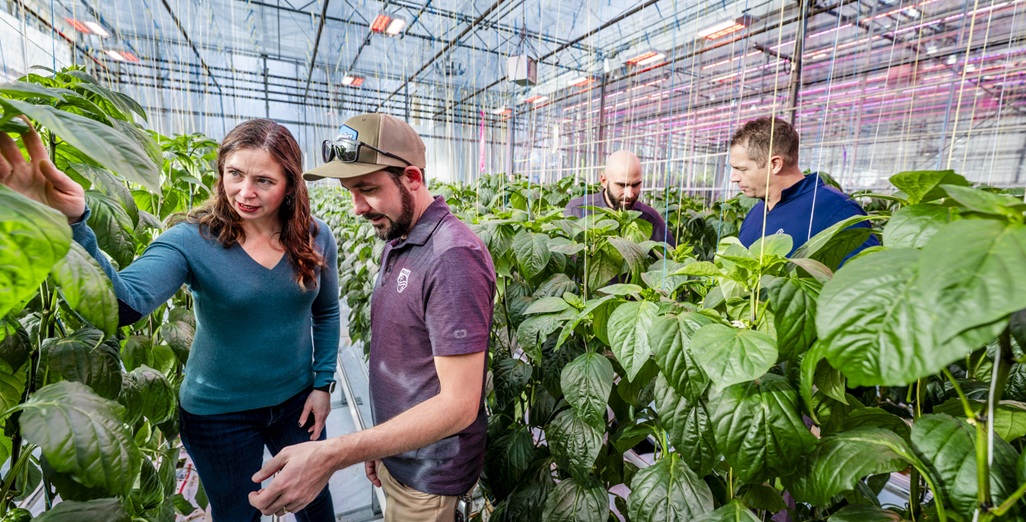
Signify and University of British Columbia collaborate to further explore feasibility of sustainable year-round greenhouse pepper production
Trial paves the way for growers to capitalize on the market opportunity to provide locally grown bell peppers during the winter months.
April 7, 2026
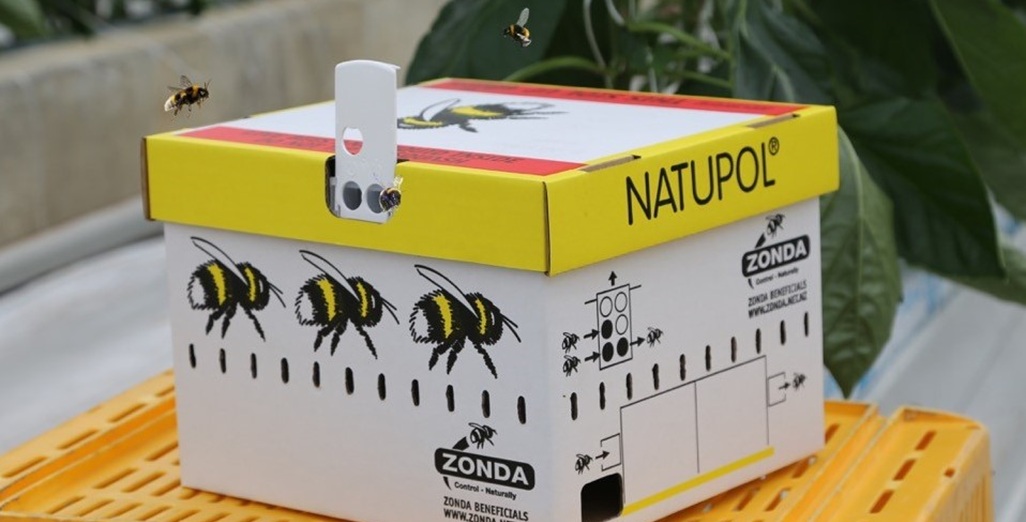
Think It’s the Bees? Think Again
Proven Hive Performance Suggests Auckland’s Climate and Crop Conditions Are the Key Limiters. Every year, Zonda receives calls from growers saying “the bees aren’t working” and requesting new hives. While hives are sometimes replaced, these cases consistently show that the bumblebees are performing as expected. The real challenge? Humidity, Auckland weather, and plant conditions.
March 23, 2026
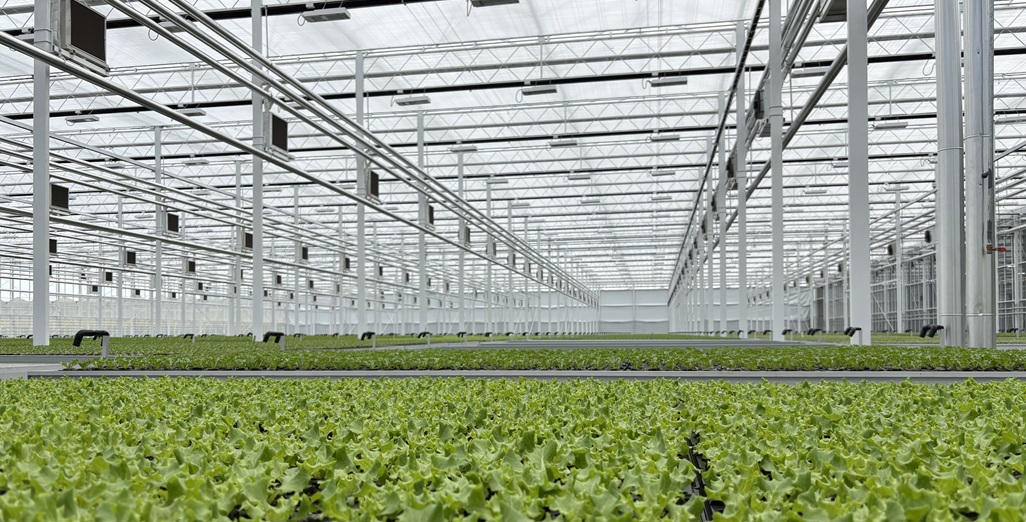
Plant-optimized spectrum to maximize photosynthetic efficiency and productivity:
27% higher yield and 40% energy savings in tomato greenhouse drive Woodeumgee Farm to repeat investment in Philips horticulture LED solution
March 10, 2026
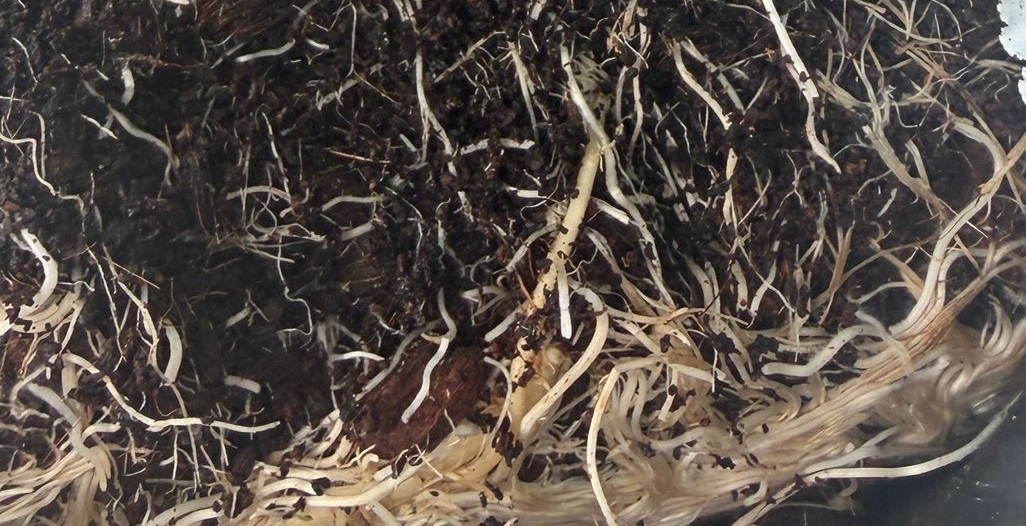
Where Does Fusarium Sit on Your Priority List?
When discussing crop health during technical strategy meetings, Fusarium often does not sit particularly high on the list of priorities.
February 23, 2026
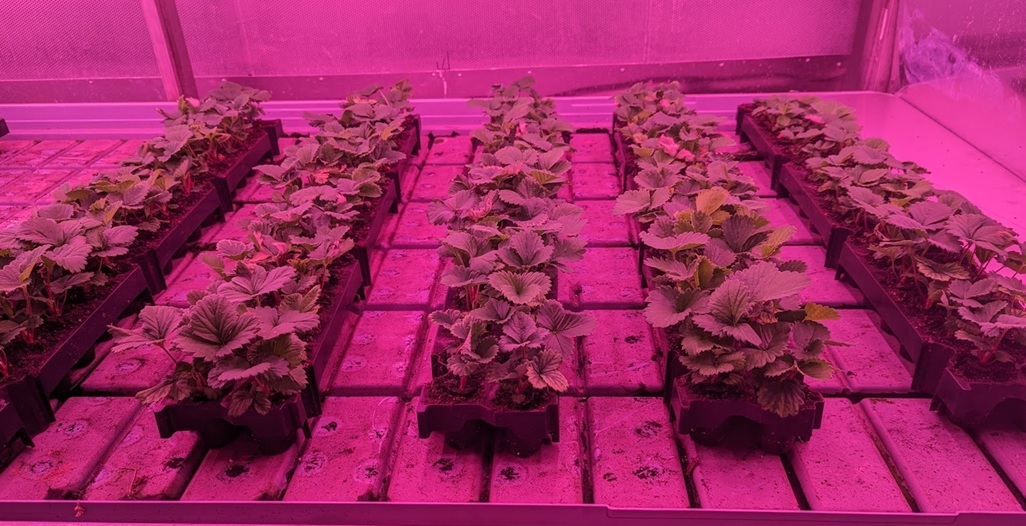
A proven opportunity in strawberry cultivation with indoor-grown generative young plants
Indoor strawberry young-plant production is moving from a promising concept to a proven opportunity. Recent trials with F1 hybrid varieties grown from seed in fully controlled facilities have shown faster development of young plants, a roughly 40% higher fruit yield in the greenhouse, harvesting two weeks earlier, and a clean, chemical-free starting point.
CLASSIFIED