

Sign up here to subscribe to the Grower2grower Ezine. Every two weeks you will receive new articles, specific to the protected cropping industry, informing you of industry news and events straight to your inbox.
28
May 2019
May 2019
Blight

Like clockwork, it has reappeared
Like it was scripted, I have been alerted of the first suspected case of Blight in a tomato crop. I went and had a look and took these photos below. Please be vigilant as the weather is perfect for Blight. Don’t hesitate to go to your local horticultural supplier and purchase the necessary products to treat Blight if you see it. Remember Blight = Plant Destroyer. It will rip though a crop in a matter of days if left untreated, however if treated it is controlled almost as fast.


Above photos taken 28/5/19
Below is from article written last year 21st May 2018:
Prevention is key but that doesn’t help once you have Late Blight, especially seeing how it can severely affect your crop in less than 48 hours. You can have the best hygiene in the world but if your vents are open nothing will prevent spores from entering your greenhouse. However, good hygiene practices are extremely important.
Unfortunately, it is hard to pinpoint what products you can use that are biological or organic to eradicate Late Blight once you have it. Copper products could control or slow down Late Blight epidemics but full coverage of the plants is required. The Phytophthora infestans sporulates can survive on top of or underneath leaf surfaces. Is there a way of protecting your crops with biological products?
There are conventional preventive fungicides available, as long as you can use these products, and not exceed MRL’s (maximum residue levels), then I would recommend using them until we have better understanding and availability of biological products. Personally, biological is the direction I hope we are able to take as an industry. However, we must not dismiss chemicals and need to make sure they are our safety net, especially if biological products can not quite keep funguses like Late Blight in check. I am concerned that there might come a day the chemical fungicides will not work as well, so using biological in conjunction with chemicals could extend the life of certain chemicals we currently rely upon. It is a discussion I would like to have with growers and receive their thoughts.
To read full article click link below:
news/post/blight-is-back–react-and-prevent/
I appreciate your comments. Please feel free to comment below or on the grower2grower Facebook page:
https://www.facebook.com/StefanGrower2grower/
Article Written by Stefan Vogrincic, Consultant, Grower2Grower
Article Edited by Marie Vogrincic, Editor, Grower2Grower
CLASSIFIED












Subscribe to our E-Zine
More
From This Category
April 20, 2026
Autumn Challenges: Managing Humidity, Energy Constraints and Crop Balance
A Perfect Storm for Crop Performance
April 7, 2026
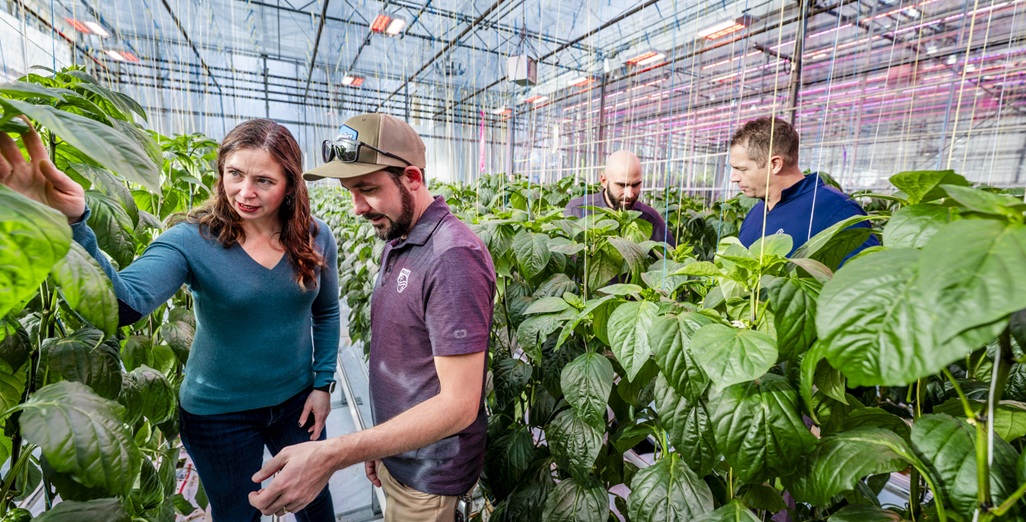
Signify and University of British Columbia collaborate to further explore feasibility of sustainable year-round greenhouse pepper production
Trial paves the way for growers to capitalize on the market opportunity to provide locally grown bell peppers during the winter months.
April 7, 2026
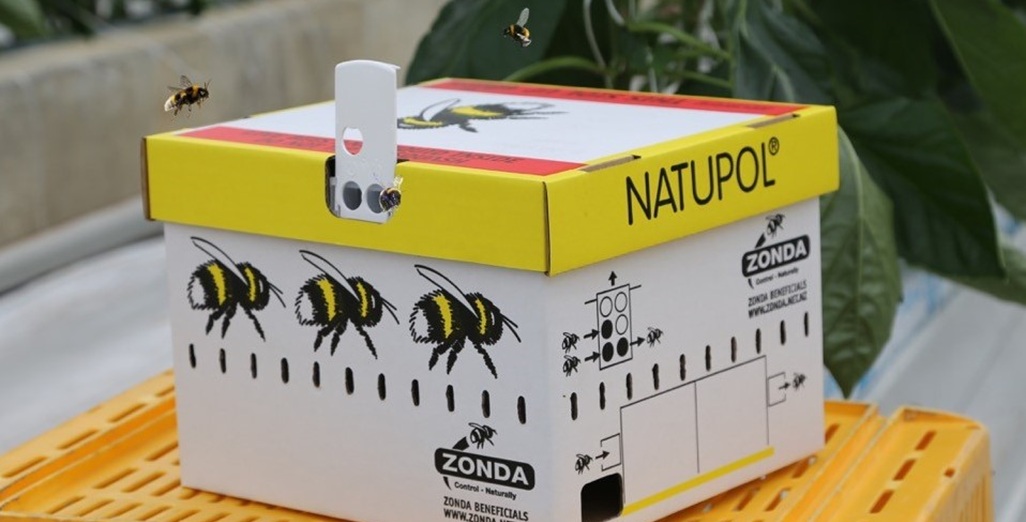
Think It’s the Bees? Think Again
Proven Hive Performance Suggests Auckland’s Climate and Crop Conditions Are the Key Limiters. Every year, Zonda receives calls from growers saying “the bees aren’t working” and requesting new hives. While hives are sometimes replaced, these cases consistently show that the bumblebees are performing as expected. The real challenge? Humidity, Auckland weather, and plant conditions.
March 23, 2026
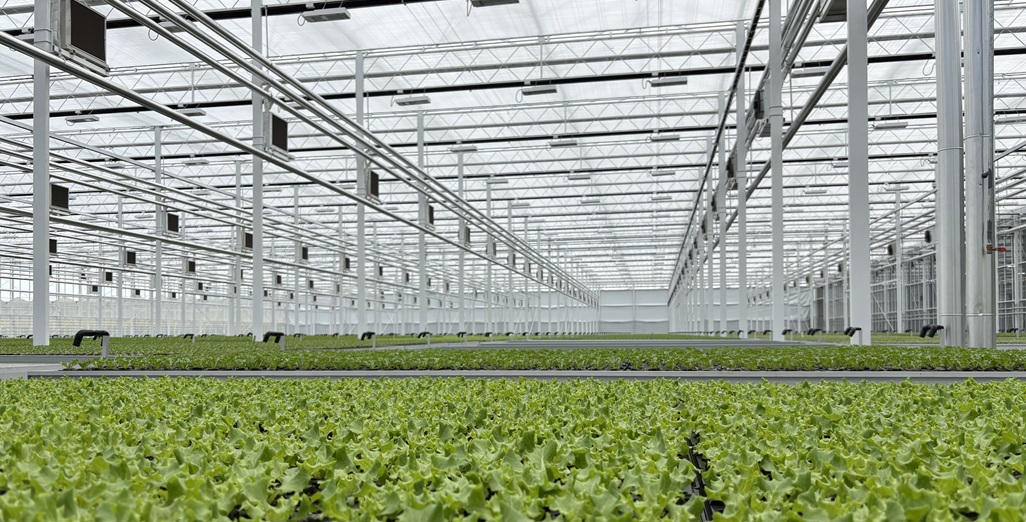
Plant-optimized spectrum to maximize photosynthetic efficiency and productivity:
27% higher yield and 40% energy savings in tomato greenhouse drive Woodeumgee Farm to repeat investment in Philips horticulture LED solution
March 10, 2026
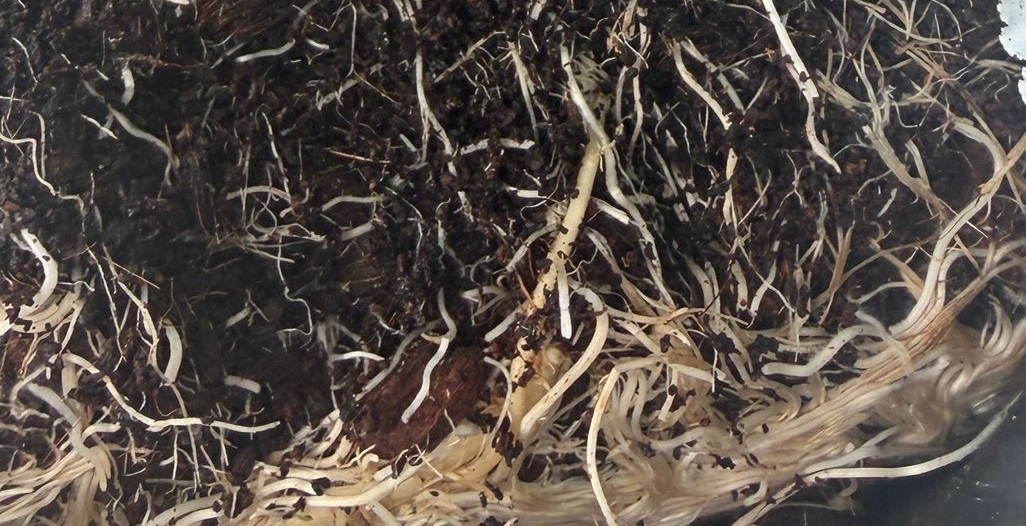
Where Does Fusarium Sit on Your Priority List?
When discussing crop health during technical strategy meetings, Fusarium often does not sit particularly high on the list of priorities.
February 23, 2026
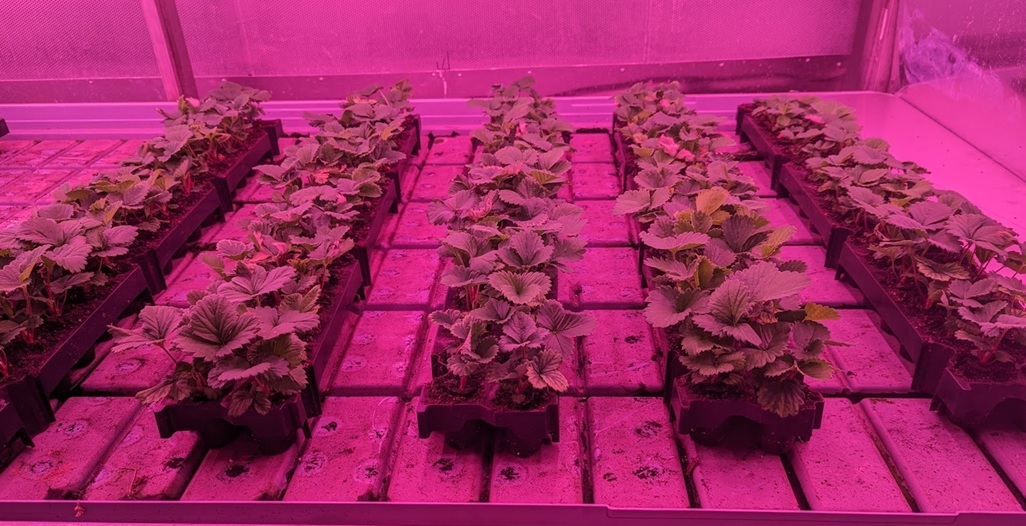
A proven opportunity in strawberry cultivation with indoor-grown generative young plants
Indoor strawberry young-plant production is moving from a promising concept to a proven opportunity. Recent trials with F1 hybrid varieties grown from seed in fully controlled facilities have shown faster development of young plants, a roughly 40% higher fruit yield in the greenhouse, harvesting two weeks earlier, and a clean, chemical-free starting point.
CLASSIFIED