

Sign up here to subscribe to the Grower2grower Ezine. Every two weeks you will receive new articles, specific to the protected cropping industry, informing you of industry news and events straight to your inbox.
2
Dec 2025
Dec 2025
Treat your bumble bees as VIP’s (VIB’s)
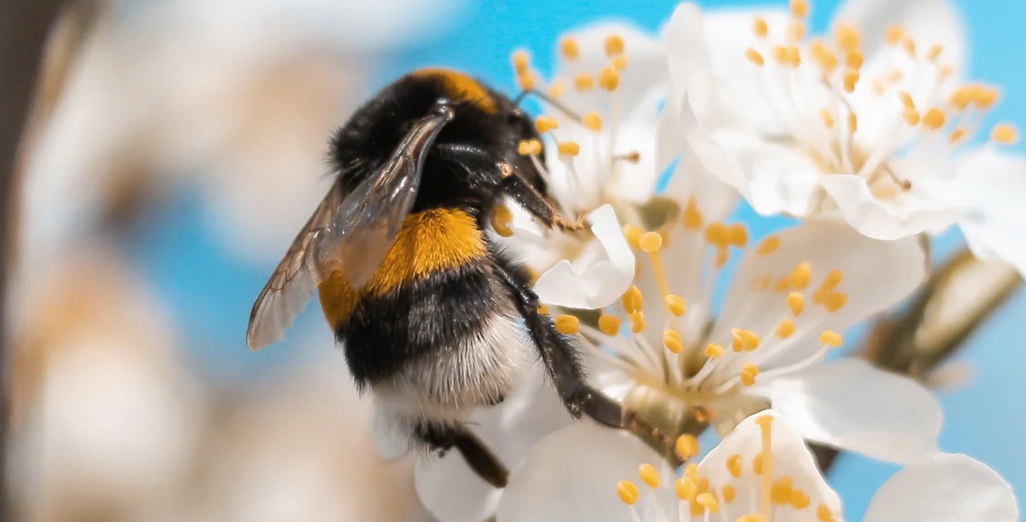
Hives should be placed 1.2–1.5 metres above the ground, away from direct sunlight!
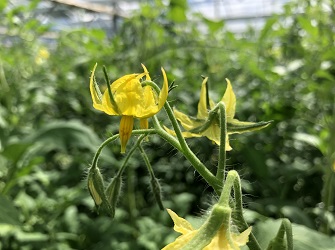
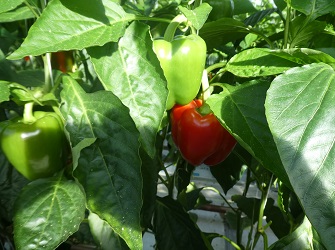
A few weeks ago, I was asked to write an article about bumblebee pollination. I have covered this topic before, but it has been a while, and with new experiences and insights from recent greenhouse seasons, I thought it was the perfect time to refresh and update the information. Bumblebees play a critical role in pollinating tomatoes, and to a lessor extent, cucumbers, capsicums, and eggplants, (I will also include strawberries) and understanding how to support their activity—especially during the warmer months—is essential for maintaining strong, uniform fruit set and high-quality yields. In this article, I will explore practical strategies and environmental considerations that help bumblebees perform at their best in New Zealand greenhouse conditions.
Bumblebee pollination is essential for achieving strong, uniform fruit set in New Zealand tomato greenhouses, yet summer conditions often make this more challenging. As temperatures rise, bee activity naturally declines, and even small dips in flower or climate quality can lead to poor truss set, misshapen fruit or uneven loads. The first factor influencing bee performance is temperature: bumblebees become far less active once greenhouse temperatures exceed 28–30°C, which is common during NZ summers.
Humidity plays a major role in pollen quality. High humidity causes pollen grains to become sticky and heavy, preventing proper vibration and discharge when bees buzz the flowers. This is especially problematic during humid, cloudy periods followed by hot afternoons. Maintaining an RH of 65–75% during the morning flowering window promotes dry, free-flowing pollen that bees can easily release. Achieving this often requires early-day venting and avoiding excessive irrigation late in the afternoon, which can push humidity too high overnight. If a crop is being held vegetative through high humidity strategies, short-term reductions during peak flowering times are still beneficial for pollination.
Flower quality is another key factor in summer pollination success. Plants that are too vegetative or under temperature stress often produce weaker flowers with less pollen. Keeping the crop in balance, maintaining correct EC and avoiding extreme slab temperature fluctuations all help support strong flower development. Variety also influences pollen production, but environmental management remains the most important contributor to consistent flower quality.
Hive management is another area where small adjustments can significantly improve results. Hives should be placed 1.2–1.5 metres above the ground, away from direct sunlight and not positioned near open vents that cause strong drafts. (Note – I have seen small solar driven fans, similar to the ones that keep your old PC cool, positioned close to hive’s that help reduce high hive temperatures) In summer, it is often necessary to increase hive density, since heat reduces foraging time.
Ensuring that airflow in the greenhouse is steady and gentle. Good air movement supports pollen release, but excessive turbulence can push bees away from the crop. Fan settings, airflow curtains and air distribution patterns should therefore be checked regularly.
Finally, managing CO₂ and avoiding spray residues are important. CO₂ levels above 900–1,000 ppm can temporarily suppress bee activity, so dosing should be timed earlier in the day. Even “bee-safe” chemicals can disrupt bee behaviour if applied during active hours or directly onto flowers, so careful scheduling remains essential. When combined with maintaining an open crop structure through regular leaf and lateral removal, these strategies greatly improve summer pollination reliability.
Together, these practices create a supportive environment for bumblebees, ensuring strong tomato pollination even under challenging New Zealand summer conditions.
For more information email stefan@grower2grower.co.nz
CLASSIFIED














Photo
Gallery






Subscribe to our E-Zine
More
From This Category
August 11, 2026
Cucumber Grafting: Insurance Policy or Unnecessary Cost?
Grafting can provide a stronger root system and valuable insurance against root-zone problems – but it won’t protect the canopy from fungal disease.
July 27, 2026
Combating Leaf Mould and Powdery Mildew in Greenhouse Tomatoes 2026
It's been eight years since I first wrote about controlling leaf mould. While many of the principles still apply, growers now have more tools available, making it a good time to revisit what works and where disease management is heading.
July 27, 2026
GrowWise smart spectrum helps growers save energy or boost crop growth through automated spectrum optimization
“With just a few clicks, we achieved approximately 2% more light on the crop”
July 13, 2026
Why Botrytis has become such a challenge this winter
The objective is not to grow a vegetative crop or a weak generative crop. The objective is to grow a balanced crop with enough vigour to support the fruit load while maintaining healthy leaf quality.
July 13, 2026
Philips LED lighting enables precise winter growing at Truly Green Farms (Canada)
For Truly Green Farms, winter tomato production depends on having the right lighting system in place.
CLASSIFIED