

Sign up here to subscribe to the Grower2grower Ezine. Every two weeks you will receive new articles, specific to the protected cropping industry, informing you of industry news and events straight to your inbox.
2
Nov 2026
Nov 2026
Is it better not to lose than to worry about winning?
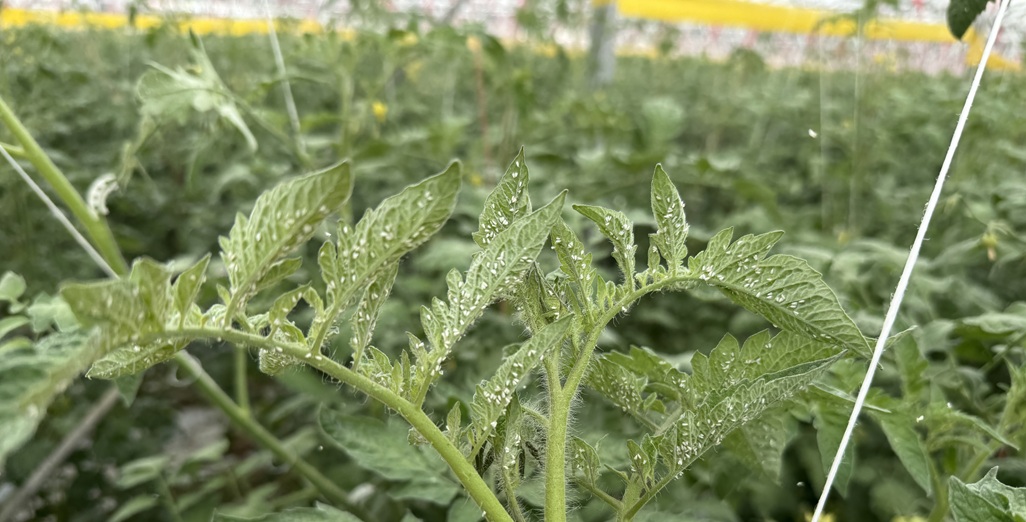
The ongoing battle with whitefly
Last week, something was said to me that made me stop and think: perhaps it is better not to lose than to worry about winning.
In context, the comment was about the never-ending battle against whitefly. I describe controlling whitefly as being a bit like a cat chasing its own tail. Just when you think you are getting on top of the problem, another challenge comes along. The advice of concentrating on not losing rather than trying to win was an excellent point.
Trying to control whitefly through one system alone is, in my opinion, unrealistic. More than anything, I want IPM to work 100% of the time. I would love to see Engytatus and Encarsia provide complete control without needing additional intervention. However, my determination to achieve this has certainly caused me a few headaches!
Despite the best intentions, I have had to concede that additional physical and chemical control measures, including soaps, oils and, where necessary, other registered products, have been required over the past year. In some situations, these interventions have been more than just helpful; without them, crops could have been lost.
IPM works, and it can work exceptionally well. But there are reasons why it doesn’t always keep pace with whitefly populations.
Natural enemies are part of a biological system, and their populations need suitable conditions and food sources to establish and maintain themselves. Engytatus, for example, is an omnivorous predator that can utilise alternative food sources, but its population dynamics are still influenced by prey availability, supplemental food and the environment. Encarsia also needs a suitable whitefly population to maintain its numbers.
There is a fine balance between having enough whitefly to sustain your beneficial insects and having so much whitefly that the crop starts suffering economically. Getting that balance right is one of the biggest challenges.
Location and cropping strategy matter
One of the biggest influences on whitefly pressure is the location of your greenhouse.
Are you situated near outdoor cropping, such as potatoes or onions, where large insect populations can develop and move into your greenhouse? In areas such as South Auckland, this can be a significant challenge.
Are you growing a long crop? The longer the crop remains in production, the more seasonal changes and external pest pressures you will have to manage. A crop that starts relatively clean can face a completely different pest environment six or eight months later.
We have growers who experience very few whitefly issues, which is fantastic. However, we should also consider whether this is partly due to their location and the surrounding cropping environment. Not every greenhouse faces the same level of external pest pressure, so comparing control programmes without considering location can be misleading.
Some things we should never take for granted
Spraying application
Are you actually reaching your targets when spraying? Correct nozzle selection, pressure, spray distance, coverage and the use of appropriate spreaders or wetting agents all have a significant influence on the effectiveness of an application.
Whitefly are particularly difficult to control when populations are established in the growing points and on the undersides of leaves. It is important to understand where the pest is located and whether your application is reaching those areas.
Simply spraying more frequently does not necessarily mean you are achieving better control.
Plant health and crop balance
A weak plant will always find it more difficult to cope with additional pest pressure and can deteriorate more quickly.
Under good conditions, with low whitefly pressure, you may be able to carry a higher fruit load per square metre, depending on available light and the variety. However, when whitefly pressure increases, the crop’s ability to maintain that production level can be compromised.
You may need to reconsider your target fruit load and maintain a stronger, healthier plant rather than continue pushing production at the expense of crop health.
Monitoring and early intervention
One of the biggest mistakes is waiting until whitefly populations are clearly visible throughout the greenhouse before taking action.
Regular monitoring of sticky traps, growing points and the undersides of leaves is essential. Knowing where populations are increasing allows you to intervene before the problem becomes widespread.
It is also important to monitor the beneficial insects. Are Encarsia establishing? Is Engytatus present in sufficient numbers? Are releases keeping pace with the developing pest population?
Having beneficial insects in the greenhouse does not automatically mean you have adequate biological control.
Having more than one tool in the toolbox
Biological control should remain the foundation of an IPM programme, but growers need to have additional options available when pest pressure exceeds what the beneficial insects can manage.
This means having a considered spraying strategy, understanding the compatibility of products with beneficial insects and being mindful of resistance management. Repeatedly relying on the same active ingredients can create further problems down the track.
The objective should be to intervene when necessary without compromising the biological control programme any more than is required.
There is no silver bullet
I wish I had the silver bullet for whitefly suppression, one that would reduce the resources and time growers need to spend managing this pest.
However, without physical barriers such as properly designed insect-proof netting, there will always be an ongoing challenge from outside populations entering our greenhouses.
Even netting is not a complete solution. It needs to be considered alongside ventilation requirements, access, hygiene and the potential for insects to enter through doors and other openings.
I think the biggest lesson is that we need to be realistic about what we are trying to achieve.
The objective isn’t necessarily to eliminate every whitefly. It is to keep populations below damaging levels, protect plant health, maintain production and avoid allowing the problem to get away from us.
The key is to make sure you don’t lose.
Use all the tools in your toolbox wisely but make sure you have those tools available in the first place. Don’t become so committed to one control method that you leave yourself with no alternatives when conditions change.
This coming season, conditions for whitefly to thrive outdoors are likely to be similar to other years. Don’t rely on a miracle or hope that the problem will disappear. Be prepared, monitor regularly and act early.
Perhaps winning the battle against whitefly isn’t about achieving perfect control. Perhaps it is about making sure the pest never gets the upper hand.
By Stefan Vogrincic
CLASSIFIED















Photo
Gallery





Subscribe to our E-Zine
More
From This Category
November 2, 2026
Is it better not to lose than to worry about winning?
The ongoing battle with whitefly. Last week, something was said to me that made me stop and think: perhaps it is better not to lose than to worry about winning. In context, the comment was about the never-ending battle against whitefly. I describe controlling whitefly as being a bit like a cat chasing its own tail. Just when you think you are getting on top of the problem, another challenge comes along. The advice of concentrating on not losing rather than trying to win was an excellent point.
September 7, 2026
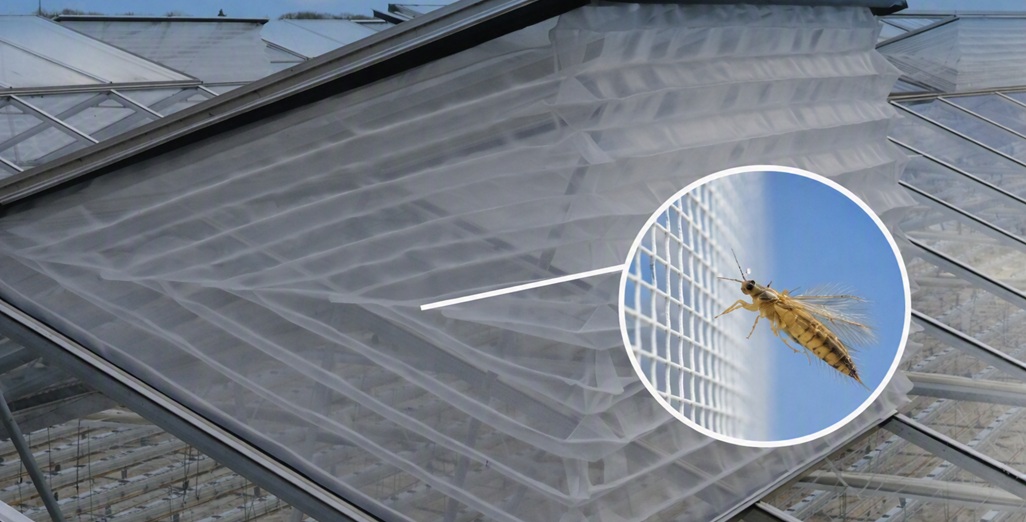
Keeping the Door Shut: Are Insect Screens the Next Step in Greenhouse IPM?
As thrips and other pest pressures continue to increase, it may be time to rethink how we stop pests entering the greenhouse in the first place. As we head into spring, and following the recent Mini Covered Cropping NZ Conference, one pest issue continues to stand out: the ever-increasing threat posed by thrips.
June 29, 2026
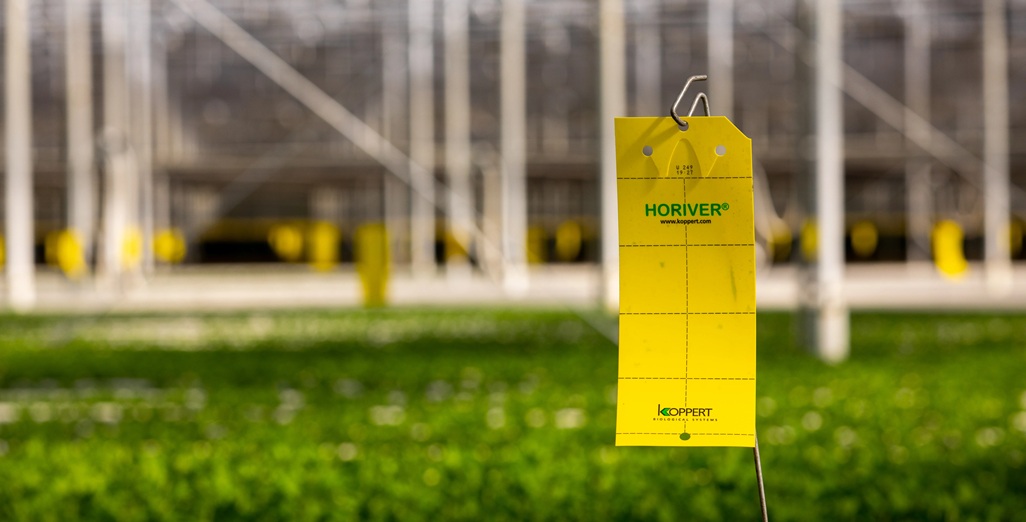
Sticky but not sticky, the new Horiver Drystick yellow sticky trap
Zonda Beneficials is introducing the new Horiver Drystick sticky trap from Koppert, this was released in Europe last year and already proven its strength in the market.
April 7, 2026
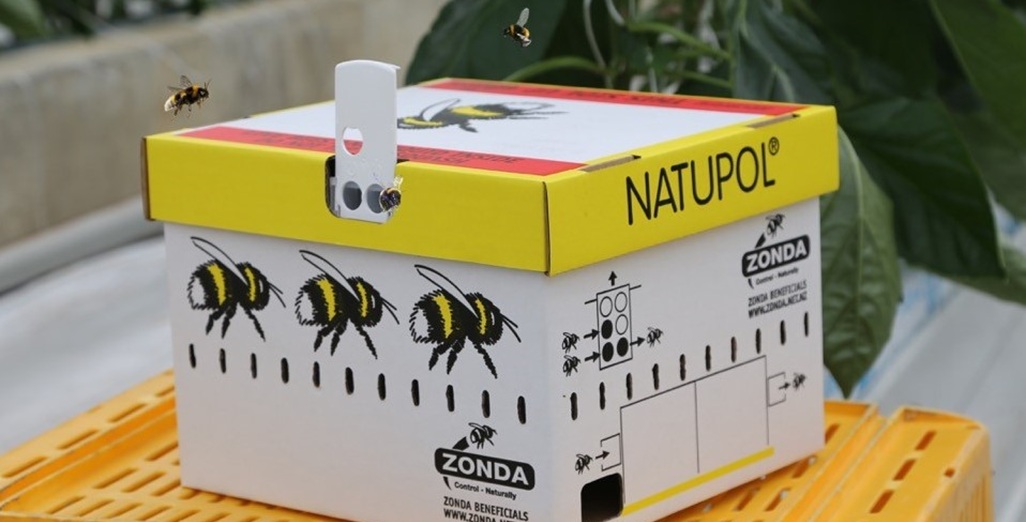
Think It’s the Bees? Think Again
Proven Hive Performance Suggests Auckland’s Climate and Crop Conditions Are the Key Limiters. Every year, Zonda receives calls from growers saying “the bees aren’t working” and requesting new hives. While hives are sometimes replaced, these cases consistently show that the bumblebees are performing as expected. The real challenge? Humidity, Auckland weather, and plant conditions.

December 29, 2025
Best of 2025 – Velifer – A New Tool in the Tool Box to help control Whitefly and other Greenhouse Insect Pests Approved by EPA
Naturally effective pest management for protected crops (BASF). Velifer® Biological Insecticide adds a new dimension to the management of a wide range of key insect pests within protected cropping structures. Velifer will help manage populations already controlled by conventional knockdown pesticides and complements the use of beneficial insects.
November 18, 2025
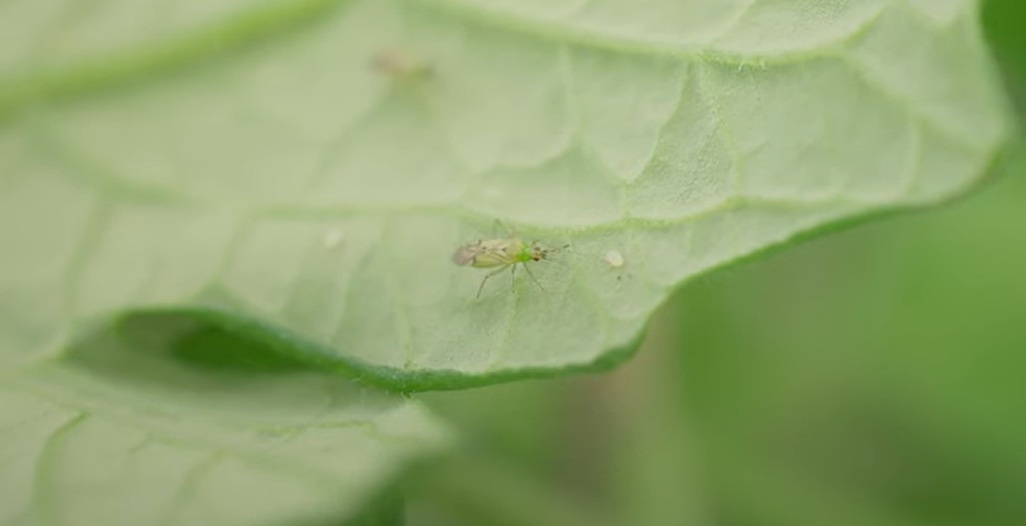
TomatoesNZ has been supporting a project into different biological pest management strategies since August 2021
These trials have been part funded by MPI through A Lighter Touch. Why was this research needed?
CLASSIFIED