
Sign up here to subscribe to the Grower2grower Ezine. Every two weeks you will receive new articles, specific to the protected cropping industry, informing you of industry news and events straight to your inbox.
11
Aug 2026
Aug 2026
High Winter Light, Low Temperatures
When More Light Doesn’t Mean Better Fruit
Excellent winter light has the potential to drive production, but without enough temperature the same crop can become a fruit-quality headache.
A difficult winter for fruit quality:
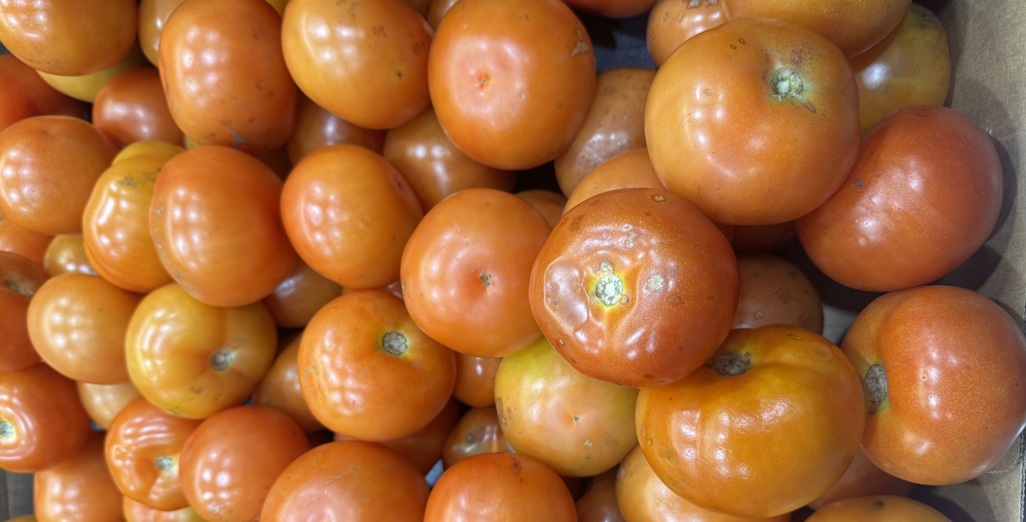
Winter normally brings lower light and lower production, so when the light levels are good, growers should be able to take advantage of it. But this winter has been different. The recent cold snap has created fruit-quality problems that I have rarely seen at this level. Over the past month, I have seen some very poor-quality fruit across both major and smaller retailers.
The main issues include:
- Collapsing shoulders and poor skin quality
- Breakdown occurring underneath the skin
- Botrytis and other fungal degradation
- Cracking and micro-cracking
- Blotchy ripening and uneven colour
- Reduced shelf life and fruit firmness
Botrytis and other fungal problems have also been reported as particularly bad this season. I believe the cold temperatures are now compounding many of these problems.
Heating has become a fruit-quality tool
For growers with good heating, screens and climate control, the excellent winter light should provide an opportunity for solid and stable returns. Unfortunately, not every greenhouse has enough heating capacity.
Heating may be:
- Too expensive to run
- Unavailable
- Limited by the greenhouse heating system
- Restricted by the available Delta T
- Simply unable to maintain the required temperature during extreme cold
The biggest issue is when the crop cannot be warmed properly before morning. A pre-morning warm-up allows the crop to become active earlier and helps manage the transition into the day. Without it, the crop can remain cold and inactive for longer, particularly following very cold nights.
Cold temperatures and calcium movement
In tomatoes, calcium movement within the plant is closely linked to transpiration. When temperatures are very low, plant activity and transpiration can fall. This can reduce the movement of calcium to actively growing tissues and fruit.
This is an important point because calcium-related fruit-quality problems are not simply about how much calcium is in the nutrient solution. Root health, water availability, transpiration and the plant’s ability to transport calcium all play a role. This is one reason why I believe the lack of pre-morning warming is contributing to the fruit-quality issues we are seeing.
Are we also creating the conditions for blotchy fruit?
Another issue I would be watching closely this winter is blotchy ripening, yellow shoulders and grey wall. These problems can be associated with a combination of:
- Low temperatures
- High humidity
- Excessive water availability
- Poor potassium availability to the fruit
- High nitrogen
- Fluctuating temperatures
This is particularly relevant in the current conditions. We have had very cold nights and low 24-hour temperatures, while the good light levels can encourage growers to maintain higher irrigation rates. But high light does not automatically mean the crop can use more water if temperature is limiting transpiration.
If the crop cannot use the water being applied, we can end up with excessive water availability in the root zone and higher humidity around the crop. Cold conditions can also affect nutrient movement and fruit development. So if blotchy fruit increases this winter, I would not immediately blame potassium. I would look at the whole system – temperature, irrigation, root-zone conditions, nutrition, humidity and crop load.
High light, irrigation and humidity
This is where growers need to be careful. High light can increase the potential water demand of the crop, but irrigation needs to follow actual crop uptake, not simply the light reading. If irrigation continues at a rate designed for higher plant water use while cold temperatures are limiting transpiration, we can end up with:
- Excess water in the substrate
- Higher root-zone water availability
- Higher humidity
- Less ability to control the greenhouse climate
- Greater disease pressure
This becomes particularly difficult when outside temperatures are too low to open the greenhouse sufficiently. You can have a crop carrying plenty of water, high absolute humidity and very little opportunity to remove that moisture.
Cracking creates another pathway for disease
Tomato cracking is strongly associated with changes in water availability and rapid increases in fruit water pressure. When the crop is carrying too much water and humidity is already high, skin quality can suffer and cracking or micro-cracking can become more likely. Those small cracks and weak areas in the fruit skin can then provide an opportunity for fungal pathogens to enter. This is where fruit quality and disease pressure can become closely linked.
Cold temperatures → reduced crop activity → excess water → high humidity → poor drying → weaker fruit quality → increased fungal pressure.
The downward spiral
None of these factors necessarily causes the problem on its own. It is the combination that creates the problem.
We can have:
- Excellent winter light
- Very low temperatures
- Reduced transpiration
- No pre-morning warming
- Excess water in the root zone
- High absolute humidity
- Poor drying conditions
- Reduced nutrient movement
- Increasing Botrytis pressure
- Deteriorating fruit quality
The result is a crop that has plenty of light available but cannot necessarily convert that light into the quality and production we would expect.
What can growers do?
When heating capacity is limited, we need to manage the things we can control.
My priorities would be:
- Get as much temperature into the crop as possible, particularly before morning.
- Adjust irrigation to actual crop demand, rather than simply responding to light levels.
- Avoid carrying unnecessary water in the substrate overnight.
- Monitor slab weight, dry-back and drain EC closely.
- Keep absolute humidity under control wherever possible.
- Maintain good air movement through the crop.
- Be particularly vigilant with Botrytis and other fungal diseases.
- Monitor fruit quality closely rather than waiting until problems appear in the packhouse.
- If blotchy fruit increases, look at temperature, irrigation, root-zone conditions and tissue nutrition together rather than assuming it is simply a potassium problem.
The lesson from this winter
High winter light is normally something we welcome. But light without temperature creates a very different crop-management equation. If we cannot convert that light into plant activity because the greenhouse is too cold, the extra light does not necessarily translate into better production or better fruit.
Instead, we can end up trying to manage a crop with high light, low temperature, low transpiration, high humidity and increasing disease pressure all at the same time. For me, the biggest lesson from this winter is simple:
Don’t manage light in isolation.
Manage light, temperature, water and humidity as one system. That is where the real battle for fruit quality is being fought this winter.
By Stefan Vogrincic
Contact stefan@grower2grower.co.nz
CLASSIFIED













Photo
Gallery






Subscribe to our E-Zine
More
From This Category
September 7, 2026
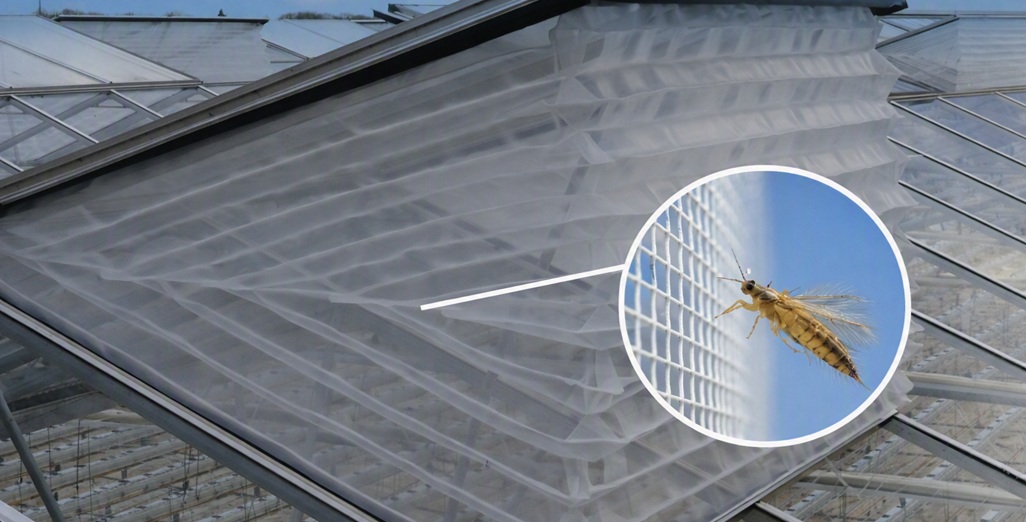
Keeping the Door Shut: Are Insect Screens the Next Step in Greenhouse IPM?
As thrips and other pest pressures continue to increase, it may be time to rethink how we stop pests entering the greenhouse in the first place. As we head into spring, and following the recent Mini Covered Cropping NZ Conference, one pest issue continues to stand out: the ever-increasing threat posed by thrips.
August 11, 2026
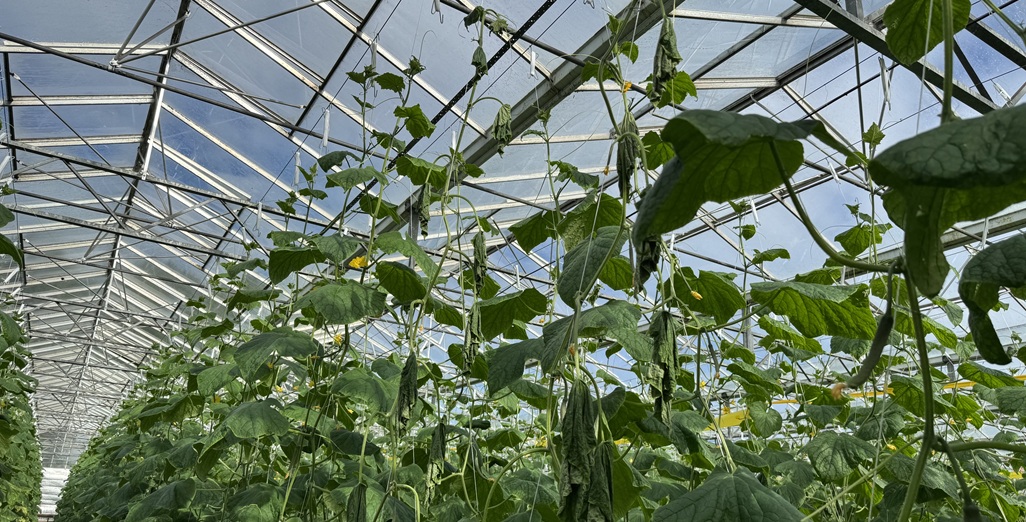
Cucumber Grafting: Insurance Policy or Unnecessary Cost?
Grafting can provide a stronger root system and valuable insurance against root-zone problems – but it won’t protect the canopy from fungal disease.
July 27, 2026
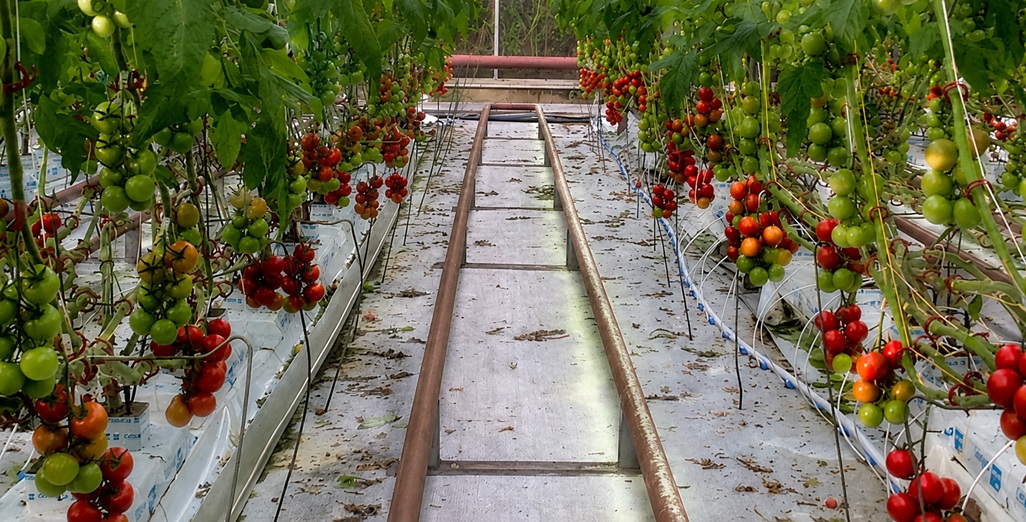
Combating Leaf Mould and Powdery Mildew in Greenhouse Tomatoes 2026
It's been eight years since I first wrote about controlling leaf mould. While many of the principles still apply, growers now have more tools available, making it a good time to revisit what works and where disease management is heading.
July 27, 2026
GrowWise smart spectrum helps growers save energy or boost crop growth through automated spectrum optimization
“With just a few clicks, we achieved approximately 2% more light on the crop”
July 13, 2026
Why Botrytis has become such a challenge this winter
The objective is not to grow a vegetative crop or a weak generative crop. The objective is to grow a balanced crop with enough vigour to support the fruit load while maintaining healthy leaf quality.
CLASSIFIED