

Sign up here to subscribe to the Grower2grower Ezine. Every two weeks you will receive new articles, specific to the protected cropping industry, informing you of industry news and events straight to your inbox.
11
Aug 2026
Aug 2026
Cucumber Grafting: Insurance Policy or Unnecessary Cost?
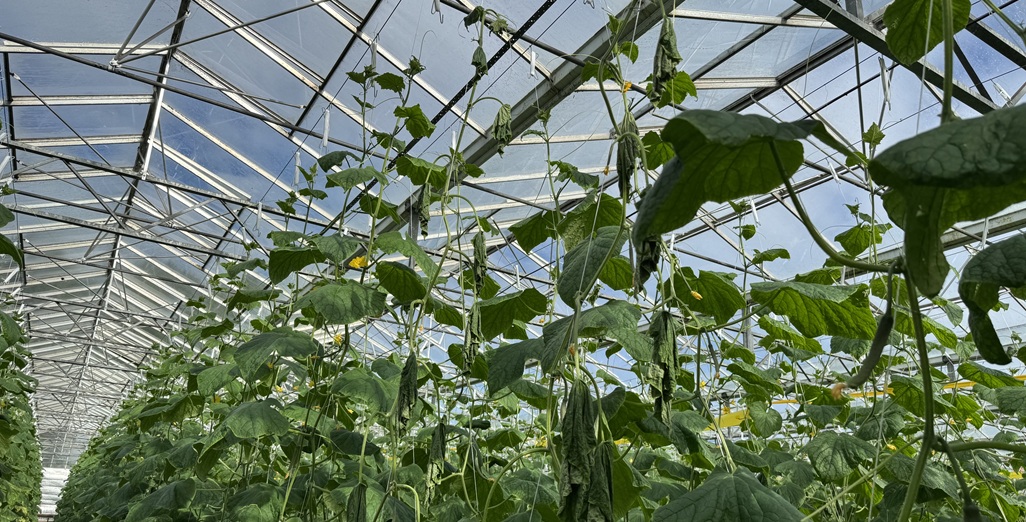
Grafting can provide a stronger root system and valuable insurance against root-zone problems – but it won’t protect the canopy from fungal disease.
Like tomato growers, cucumber growers have enjoyed some excellent production and fruit quality this winter. The quality of both the plants and fruit has generally been superb.
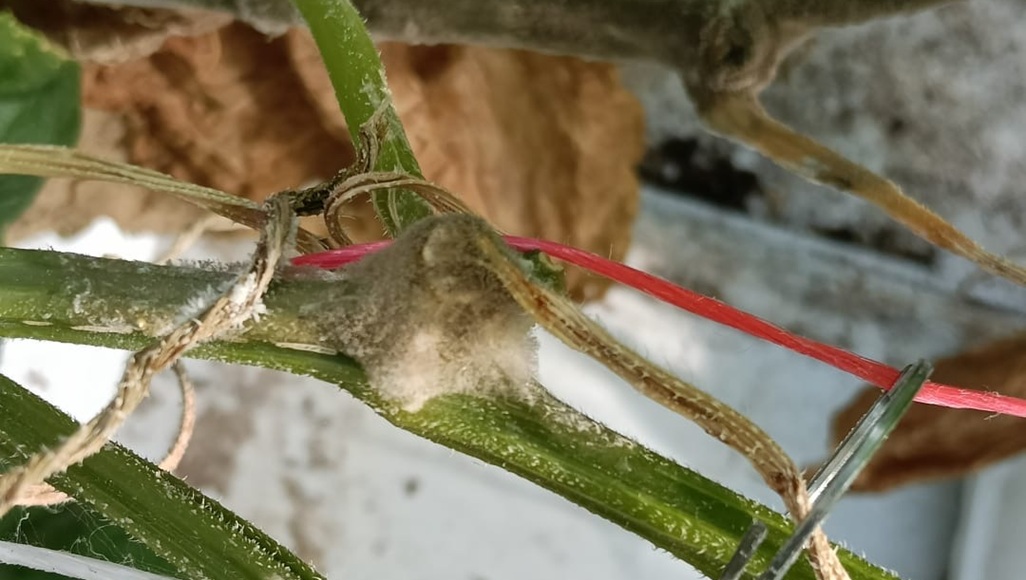
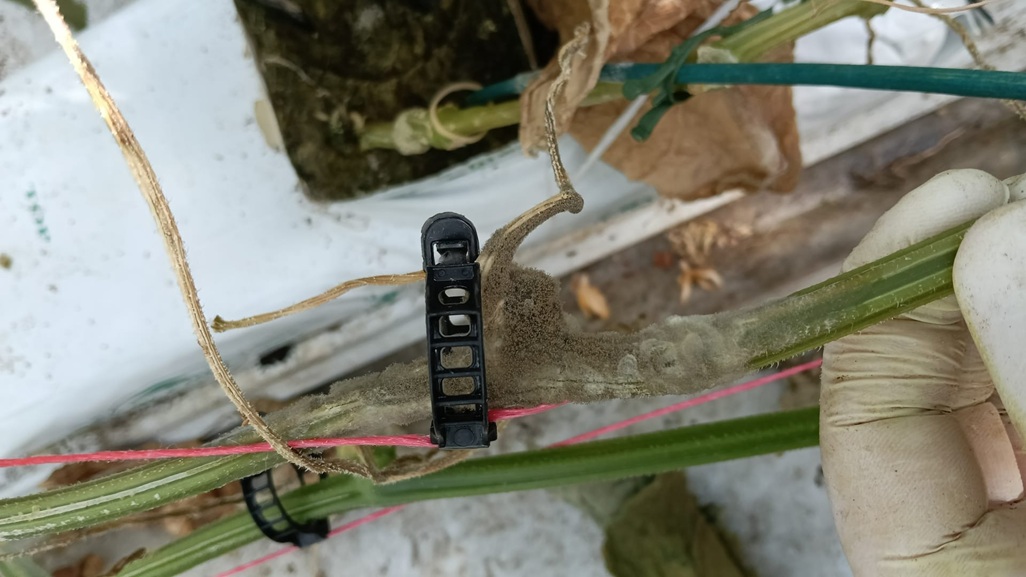
However, one of the biggest issues I have seen has been Botrytis (grey mould) developing on the stems, with the cooler weather being a major contributing factor.
For growers with good heating, screens and climate control, I expect solid and stable returns this winter. Unfortunately, not every greenhouse has that luxury, and when temperatures remain low, humidity is difficult to control and hygiene isn’t where it needs to be, disease pressure can quickly build.
Where grafting can help
I am a fan of grafting cucumbers, but I think we need to be realistic about what we are buying when we pay the additional cost for a grafted plant.
The biggest advantage is the root system.
Depending on the rootstock used, grafted plants can provide greater tolerance or resistance to certain root-zone diseases and stresses. This can be particularly valuable where growers have problems with pathogens such as Pythium or Fusarium, or where the irrigation water and root-zone environment are difficult to manage.
I have seen grafting effectively give growers some breathing space while they work on improving their water quality, irrigation systems and hygiene.
That is where I see grafting as a genuine insurance policy.
But grafting won’t protect the canopy
This is an important distinction.
Grafting will not prevent Botrytis, leaf diseases or other fungal infections in the cucumber canopy.
If your greenhouse has high humidity, poor air movement, poor hygiene or insufficient heating, the scion is still exposed to exactly the same disease pressure.
A stronger root system may give the plant greater overall resilience when conditions become difficult. A healthy root system can help maintain water and nutrient uptake and support continued growth.
But that should not be confused with disease resistance in the canopy.
If Botrytis is attacking your cucumber stems, grafting is not the solution.
You still need to:
- Control humidity and condensation.
- Maintain good air movement. – (de-leaf)
- Remove infected plant material.
- Maintain good crop hygiene.
- Avoid unnecessary plant wounds.
- Ensure sprays are reaching the stems where infection is occurring.
The rootstock may help the plant cope with stress, but the graft itself does not protect the canopy from fungal infection.
The advantage of a stronger root system
One of the biggest reasons I like grafted plants is the ability to establish a strong root system quickly.
A well-produced grafted plant has already gone through the grafting and healing process at the nursery. If it arrives at the greenhouse at the right specification, with the appropriate amount of stem and root development, it can establish extremely quickly after planting.
For a crop as fast-moving as cucumber, getting the root system established quickly is important.
The potential advantage is not necessarily that every grafted crop will automatically produce a week earlier (however this is a huge positive). That will depend on the rootstock, scion, plant age, nursery specification, planting conditions and greenhouse climate.
But if the grafted plant allows the crop to establish and start producing even slightly faster, that can have a significant economic value.
Is it worth the extra cost?
This is where growers need to do the numbers.
If grafting doubles your plant cost, the additional investment can look daunting. I understand that – I am not the one paying the bill!
But if the root system is genuinely limiting your crop, the additional cost can potentially be paid back through:
- Faster establishment
- Greater root-zone resilience
- Reduced impact from certain root diseases
- Better ability to maintain crop growth under stress
- Potentially improved production over the crop cycle
Even a relatively small increase in production can make a significant difference in a cucumber crop, particularly when prices are strong.
But that is a big IF.
Graft for the right reason
I would strongly consider grafting where:
- Root-zone disease is a genuine risk.
- Pythium or Fusarium is difficult to control.
- Water quality or irrigation hygiene is challenging.
- The crop needs a stronger root system to support production.
- The nursery can provide a well-developed plant at the correct specification.
- The additional cost can be justified by the expected production or crop security.
Article by Stefan Vogrincic
Contact: stefan@grower2grower.co.nz
CLASSIFIED

















Photo
Gallery







Subscribe to our E-Zine
More
From This Category
September 7, 2026
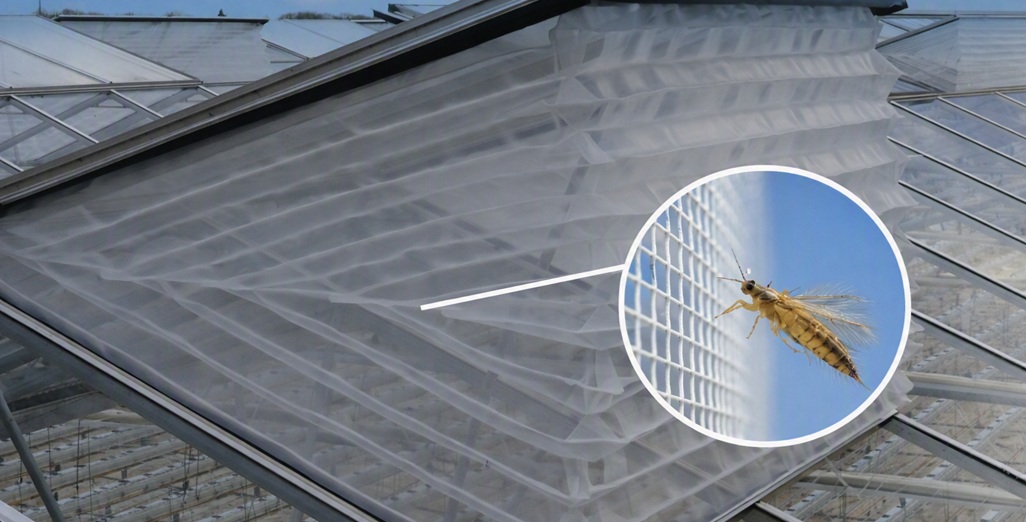
Keeping the Door Shut: Are Insect Screens the Next Step in Greenhouse IPM?
As thrips and other pest pressures continue to increase, it may be time to rethink how we stop pests entering the greenhouse in the first place. As we head into spring, and following the recent Mini Covered Cropping NZ Conference, one pest issue continues to stand out: the ever-increasing threat posed by thrips.
August 11, 2026
Cucumber Grafting: Insurance Policy or Unnecessary Cost?
Grafting can provide a stronger root system and valuable insurance against root-zone problems – but it won’t protect the canopy from fungal disease.
July 27, 2026
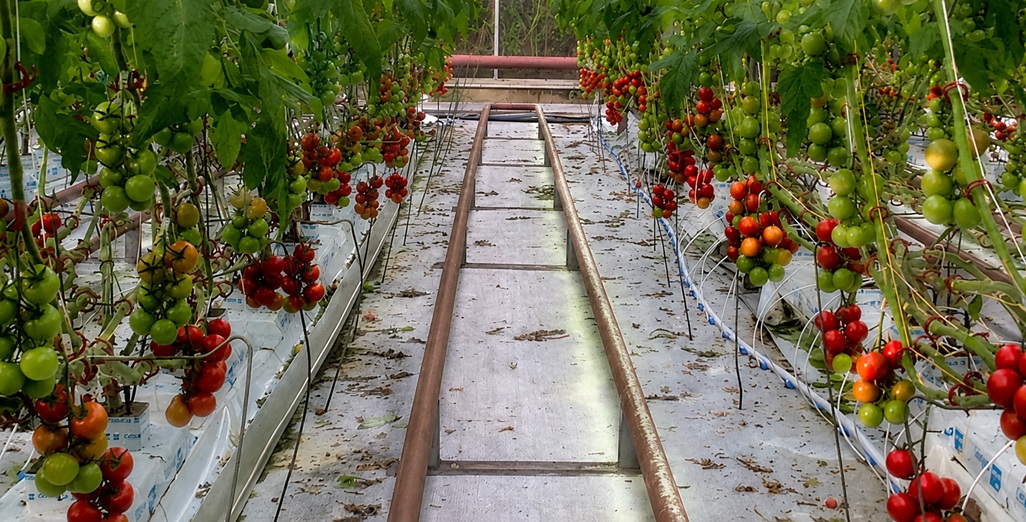
Combating Leaf Mould and Powdery Mildew in Greenhouse Tomatoes 2026
It's been eight years since I first wrote about controlling leaf mould. While many of the principles still apply, growers now have more tools available, making it a good time to revisit what works and where disease management is heading.
July 27, 2026
GrowWise smart spectrum helps growers save energy or boost crop growth through automated spectrum optimization
“With just a few clicks, we achieved approximately 2% more light on the crop”
July 13, 2026
Why Botrytis has become such a challenge this winter
The objective is not to grow a vegetative crop or a weak generative crop. The objective is to grow a balanced crop with enough vigour to support the fruit load while maintaining healthy leaf quality.
CLASSIFIED