

Sign up here to subscribe to the Grower2grower Ezine. Every two weeks you will receive new articles, specific to the protected cropping industry, informing you of industry news and events straight to your inbox.
27
Jul 2026
Jul 2026
Combating Leaf Mould and Powdery Mildew in Greenhouse Tomatoes 2026
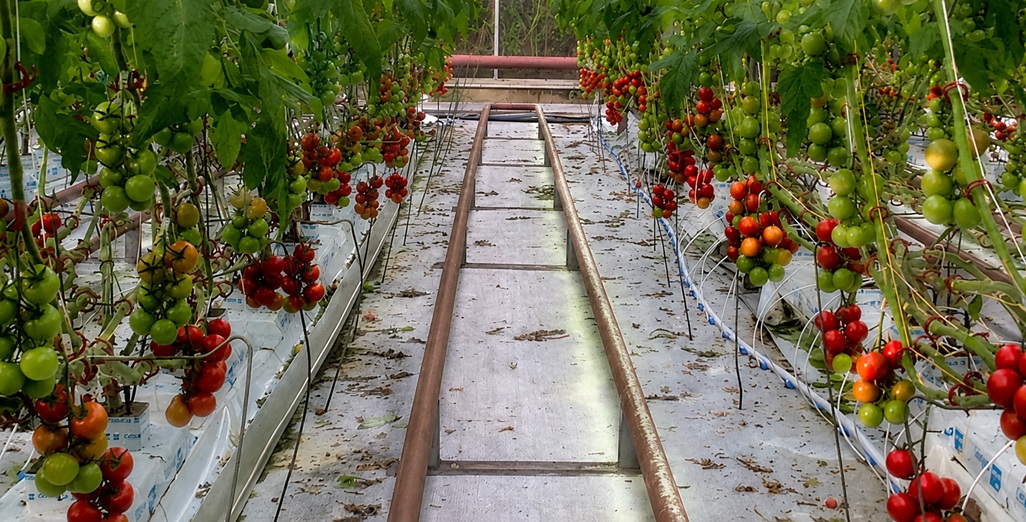
It’s been eight years since I first wrote about controlling leaf mould. While many of the principles still apply, growers now have more tools available, making it a good time to revisit what works and where disease management is heading.
By Stefan Vogrincic:
If you grow tomato cultivars susceptible to leaf mould or powdery mildew, you’ve likely already tried many products and techniques to control them.
Over many years, I’ve learned that once leaf mould is established, the goal often shifts. It becomes less about eradication and more about slowing its spread, reducing spore production, and keeping disease below a level that affects yield or fruit quality.
Ideally, we would avoid these diseases entirely—but tomato production is rarely that simple.
Years ago, I grew a cultivar with strong resistance to leaf mould. For three seasons, there was almost no disease. Then, unexpectedly, it reappeared. That experience reinforced a key lesson: resistance is valuable, but never guaranteed.
No single solution
There is no single “magic bullet” for leaf mould or powdery mildew.
Effective control usually comes from combining several approaches:
- Choosing resistant cultivars
- Good greenhouse climate control
- Managing humidity and condensation
- Ensuring air movement through the crop
- Prompt removal of infected leaves
- Good crop hygiene
- Canopy management for light and airflow
- Biological, cultural, and chemical tools where appropriate
- Regular crop monitoring
The balance depends on the greenhouse, climate, and production system.
Climate control matters
Environmental control is one of the most powerful tools available.
Heating, ventilation, and humidity management all help reduce disease pressure. However, the crop itself creates a microclimate.
Even if greenhouse readings look acceptable, conditions inside a dense canopy can be very different—often more humid, still, and disease-prone. Crop and climate management must therefore work together.
Managing the canopy
Canopy management is critical.
In winter, overly vegetative crops may need selective leaf removal to improve light penetration. However, maintaining enough healthy leaf area is essential for photosynthesis, especially in low light.
With leaf mould, older lower leaves are usually affected first. Removing them early can slow upward spread, but over-removal can reduce yield.
The goal is balance: remove infected or unproductive leaves while maintaining a functional canopy.
Keeping the crop moving
Regular crop work helps prevent disease build-up.
Routine de-leafing, truss management, and maintaining an open canopy improve airflow and reduce infected material.
Timing is crucial. Waiting until disease is widespread makes control far more difficult, especially in large commercial crops.
Sulphur use
I eventually began using sulphur in heated pipe systems after initially avoiding it.
In my experience, it helped slow leaf mould and also had some effect on powdery mildew. However, results vary and sulphur must be used carefully.
Always check product labels, crop registrations, and compatibility with greenhouse materials and IPM programmes before use.
Powdery mildew differences
Powdery mildew behaves differently from leaf mould and does not require leaf wetness. It can thrive in relatively dry conditions.
Management options include registered fungicides, biological products, and some surface-altering treatments. Bicarbonates, soaps, and wetting agents are sometimes used, but must be applied carefully to avoid crop damage.
Always follow current label guidance.
Sulphur pots and alternatives
Where heating pipes are not available, sulphur pots or alternative release systems may be used.
Effectiveness depends on temperature, ventilation, and application method, so performance can vary significantly between systems.
Resistance is helpful—but not enough
Modern tomato varieties often have improved resistance to leaf mould, sometimes against multiple races.
However, resistance is not absolute. Pathogens evolve, and environmental conditions can reduce effectiveness.
Resistant cultivars should be seen as one part of an integrated strategy, not a standalone solution.
My approach in 2026
If managing these diseases today, I would focus on:
1. Start with resistant genetics
Choose the best available cultivar for your system.
2. Control the climate
Focus on humidity, temperature stability, and airflow.
3. Watch the canopy microclimate
Conditions inside the crop often differ from greenhouse readings.
4. Keep the canopy open
Remove infected and unproductive leaves promptly.
5. Act early
Prevention is far easier than recovery.
6. Use integrated control
Combine genetics, climate, hygiene, and treatments.
7. Protect beneficial insects
Consider IPM impacts before spraying.
8. Review each season
Adjust strategy based on performance and disease pressure.
The bottom line
There is still no single solution for leaf mould or powdery mildew.
Success comes from preventing disease establishment and managing conditions so it cannot spread easily.
In my experience, effective control depends on the whole system—not just sprays.
A resistant variety, good climate control, clean crop management, and regular monitoring all work together.
And most importantly: keep walking the crop.
Early detection always gives you more options.
Editor’s Note – 2026: Product labels, registrations, and permitted uses can change. Always check current local regulations before applying any treatment.
CLASSIFIED















Photo
Gallery







Subscribe to our E-Zine
More
From This Category
September 7, 2026
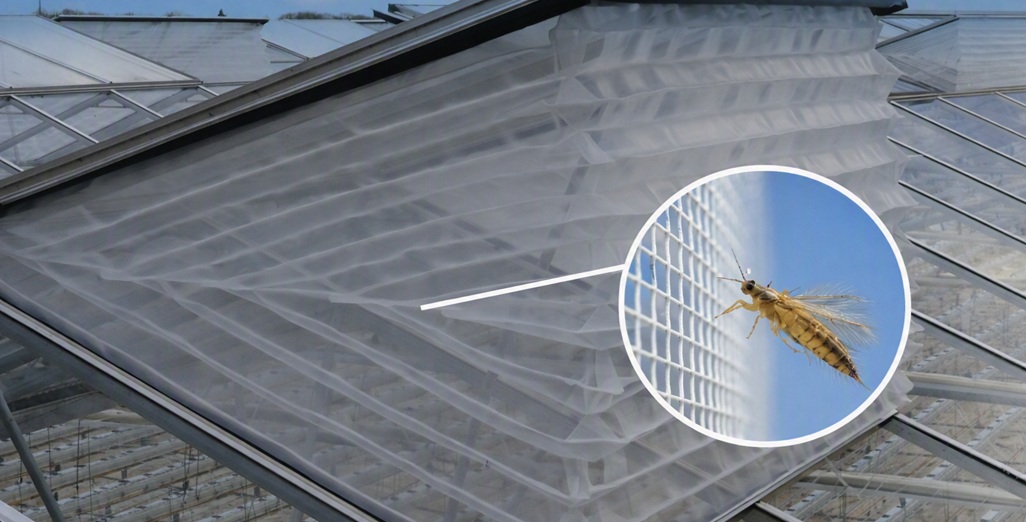
Keeping the Door Shut: Are Insect Screens the Next Step in Greenhouse IPM?
As thrips and other pest pressures continue to increase, it may be time to rethink how we stop pests entering the greenhouse in the first place. As we head into spring, and following the recent Mini Covered Cropping NZ Conference, one pest issue continues to stand out: the ever-increasing threat posed by thrips.
August 11, 2026
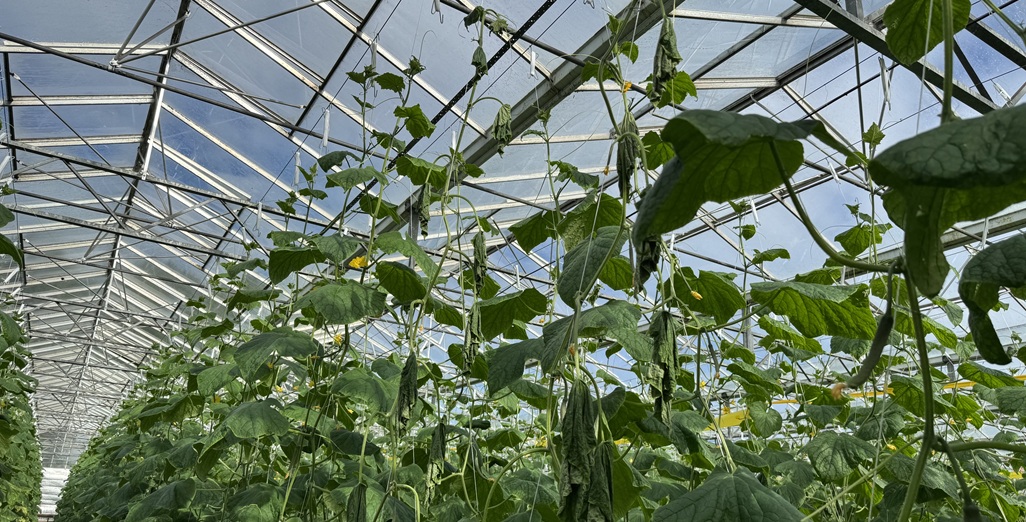
Cucumber Grafting: Insurance Policy or Unnecessary Cost?
Grafting can provide a stronger root system and valuable insurance against root-zone problems – but it won’t protect the canopy from fungal disease.
July 27, 2026
Combating Leaf Mould and Powdery Mildew in Greenhouse Tomatoes 2026
It's been eight years since I first wrote about controlling leaf mould. While many of the principles still apply, growers now have more tools available, making it a good time to revisit what works and where disease management is heading.
July 27, 2026
GrowWise smart spectrum helps growers save energy or boost crop growth through automated spectrum optimization
“With just a few clicks, we achieved approximately 2% more light on the crop”
July 13, 2026
Why Botrytis has become such a challenge this winter
The objective is not to grow a vegetative crop or a weak generative crop. The objective is to grow a balanced crop with enough vigour to support the fruit load while maintaining healthy leaf quality.
CLASSIFIED