

Sign up here to subscribe to the Grower2grower Ezine. Every two weeks you will receive new articles, specific to the protected cropping industry, informing you of industry news and events straight to your inbox.
10
Jun 2019
Jun 2019
Psyllid Yellow’s
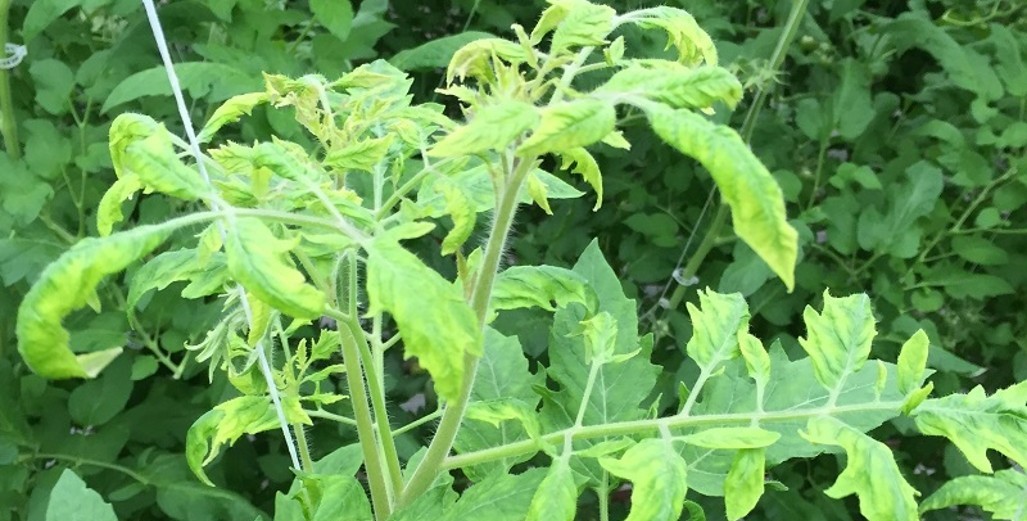
June and symptoms surprisingly still appearing
In the past week, to my surprise, I witnessed an infected area of Candidatus Liberibacter transmitted by tomato/potato psyllid (TPP). This particular tomato crop had minimal whitefly, actually, I don’t recall seeing one adult whitefly. It illustrates that even if you don’t have pest populations, within your crop, you may still have some rogue psyllids lurking. The area, with the infected plants, was located within approximately 100 m2, in total around fifteen plants were affected. I have no idea if this was the work of a lone ranger or several psyllids. What was intriguing was that it had not appeared to have spread to any other parts of the greenhouse.
I remember, from my own experience, how frustrating it is when Psyllid Yellows are identified. In April, six years ago, this happened to a crop of tomatoes I had recently started harvesting. I had no idea how many plants were infected and more importantly how many would show signs of contamination in the coming weeks or months. Fearful thoughts of “could this terminate my crop” reverberated in my head. I lost nearly two percent of my crop, over the following two months, as the yellows began to express themselves. I was very fortunate (extremely lucky) as I was able to fill the holes of my tomato crop with laterals from neighbouring non-infected plants. Just like the crop last week I remember not having a single issue with whitefly. In the past I have seen two unrelated crops totally annihilated by psyllids, so I am very aware of the stress grower’s face, it is no joke and incomes are put at risk. I felt a sense of helplessness and was totally at the mercy of what I refer to as the ‘invisible invader’. I expect Psyllids to be an issue that will continue to cause future production losses, but am hopeful that work being undertaken, around the country, will certainly help reduce the external populations of this invisible plant destroyer!
The grower will need to keep a keen eye on this area over the next few weeks to identify any further plants showing symptoms. Unfortunately, despite being ‘whitefly free’, they will need to spray for Psyllids as a precaution even though they are probably long since deceased. I suspect the plants were infected six or so weeks ago, but just in case there is a possibility of another generation of psyllids present, I highly recommend to apply a product to protect the healthy non infected plants.
Along with whitefly I have found the Psyllid to be the toughest and most unpleasant pain in my backside to deal with. Whilst it can be dealt with currently, it does mean using beneficial insects such as Encarsia as discussed in another article, are less likely.

There were no Psyllid ‘sugar’ patches visible. There is no evidence except for the infected plants that the pest had even been there. This is a reassuring sign that TPP is currently not present in the greenhouse but precaution should be taken.
I appreciate your comments. Please feel free to comment below or on the grower2grower Facebook page:
https://www.facebook.com/StefanGrower2grower/
Article Written by Stefan Vogrincic, Consultant, Grower2Grower
Article Edited by Marie Vogrincic, Editor, Grower2Grower
CLASSIFIED












Subscribe to our E-Zine
More
From This Category
April 7, 2026
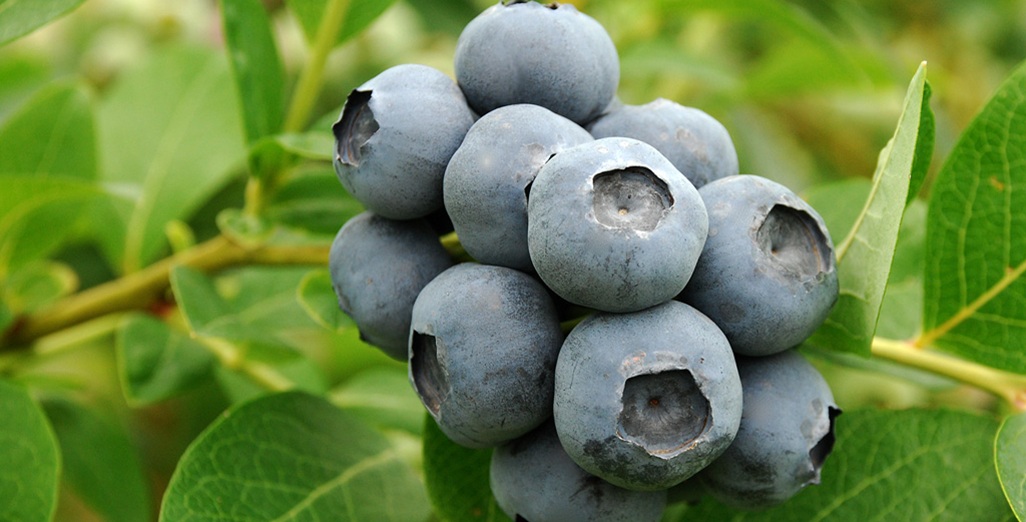
Proposed import requirements for fresh blueberries (Vaccinium spp.) for human consumption
Make your submission
March 23, 2026
The Environmental Protection Authority (EPA) maintained the upward trend for hazardous substances decisions in the second quarter of the 2025-26 year.
Dr Lauren Fleury, Manager Hazardous Substances Applications, says the EPA continues to use rapid assessment pathways where possible. Of the 16 approved applications in the second quarter, 13 were decided by rapid assessment.
March 23, 2026
Source Advances Harvest Forecasting for Tomatoes with Next Generation AI Model
Fundamental changes to how the model learns and handles grower input mean significantly less manual work and meaningfully better accuracy.

March 10, 2026
Australia’s horticulture sector has delivered a year of record‑breaking performance
Highest production value to date of $18.4 billion, up 6% on the previous year.
March 10, 2026
Energy saving through screens
A combination of screen use, screen quality, greenhouse climate requirements, and greenhouse equipment.
March 10, 2026
Heating Uncertainty Leaves Greenhouse Growers Searching for Answers
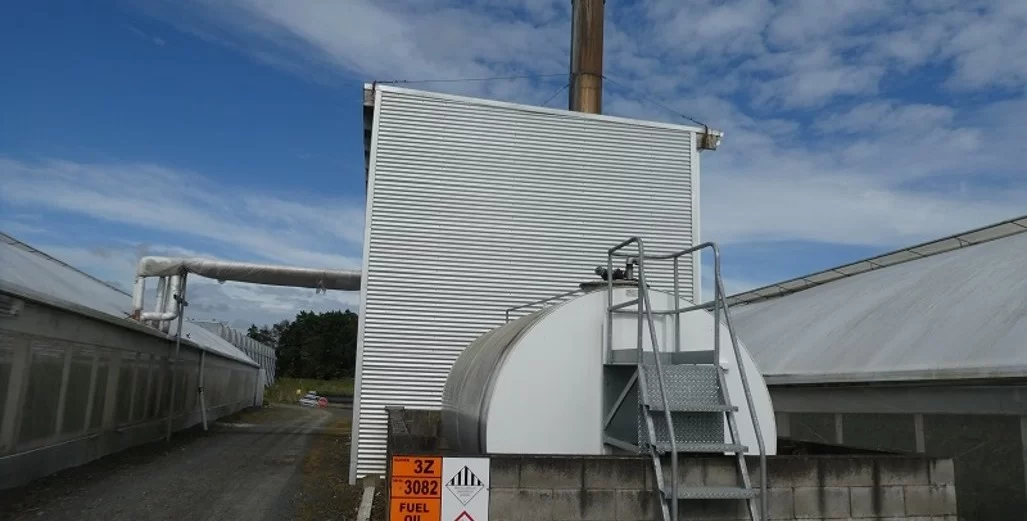
Waste oil supply changes force growers to reconsider long-term heating options ahead of winter. Two weeks ago I was alerted that one of the major recycled waste oil suppliers, based in the Auckland region, will soon stop supplying greenhouse growers. For one of my customers this came as a significant shock, particularly given that notice was given that deliveries will cease in the coming months –
CLASSIFIED