

Sign up here to subscribe to the Grower2grower Ezine. Every two weeks you will receive new articles, specific to the protected cropping industry, informing you of industry news and events straight to your inbox.
1
Jul 2019
Jul 2019
Tomato prices low
Why Is This?
I received a call last week from a grower asking my thoughts on the low price for loose round and cherry tomatoes at present. At this time of the year, when production is typically low, prices are generally double the price they’ve achieved in the past three to four weeks.
I am not aware of any imports around, but it is a possibility, although I doubt that tomatoes could be imported for less than the price our growers are currently achieving per KG. If the low price is because of imported product they would’ve most probably been ordered in advance due to previous year’s production flows and historical prices. The only positive is that consumers can enjoy high quality NZ grown tomatoes at a low price.
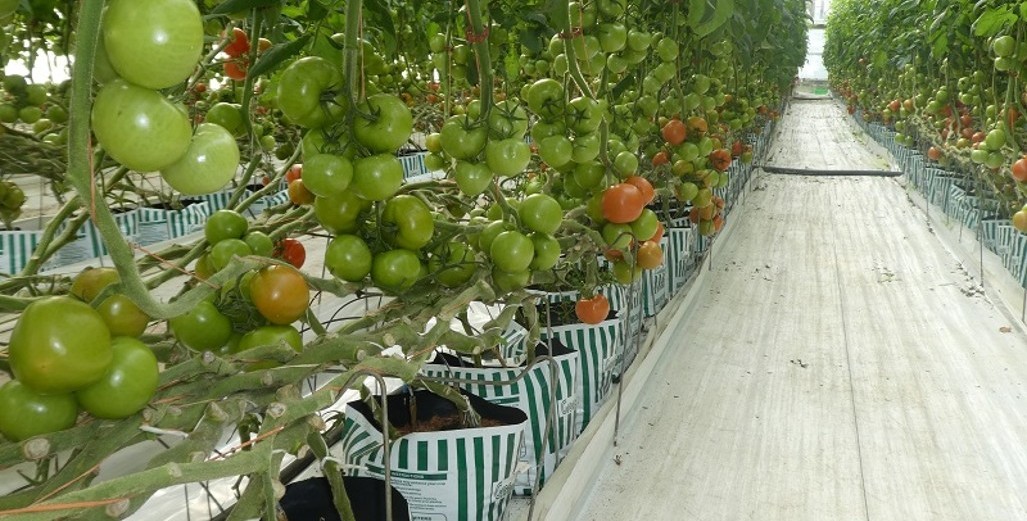
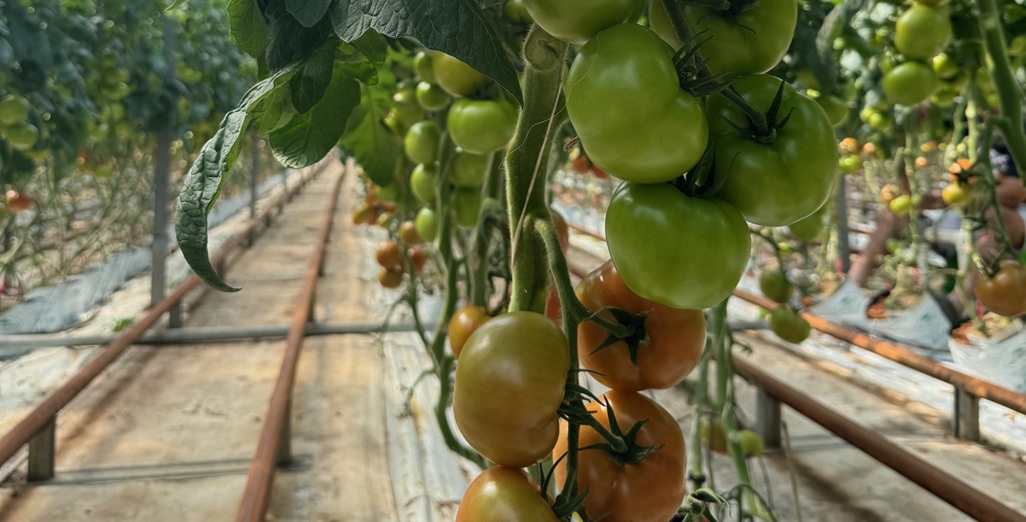
The mild weather has possibly played its part in increased production. The overall temperature, especially at night, in May was great for growers who don’t heat. These growers use very minimal inputs and should be achieving much higher volumes than in previous seasons. However, last night (25/6) we finally had a heavy frost with more in the forecast (It is just as well I had Barney the pet lamb inside!) Last week I visited a property which has minimal heating that comes on at 6 degrees. The fruit, on the plant, was of impeccable quality and, even though the heads had just been removed, the set was flawless. The size, shape and colour were near to perfect. It is not something I would expect to see on the shortest day.

Low heat input tomatos picture taken around shortest day. Heads just pinched. Nomally, seting flowers/fruit in May is very difficult for crops with little or no heating. Not this crop!
I have noticed, probably due to the very low prices, growers are limiting the amount they pick and leaving fruit on the plant longer. Most probably in the hope prices will increase the following weeks. I’m unsure about this, as it slows the plant down, at this time of the year you want as little fruit on the plant as possible. If you have not carried the correct fruit load for the amount of light, the setting of fruit right now will be poor, and the amount you will pick in August will be reduced so you could might miss out twice.
Another noticeable effect, of the warmer weather, is the amount of whitefly and the number of psyllid yellows I have come across in the past few weeks. Caterpillars also, are still damaging crops.
In contrast to recent prices, March was quite the opposite with fantastic returns during a highly productive period. I can only theorise why prices are low currently, but I do believe warm weather may have contributed. I hope returns for growers increase, it is a calculated risk to grow through the winter during historically low productive months. Unless you have set contracts, for supply, at fixed prices it will always be out of our hands.

First decent frost for Auckland 25/6/2019
I appreciate your comments. Please feel free to comment below or on the grower2grower Facebook page:
https://www.facebook.com/StefanGrower2grower/
Article Written by Stefan Vogrincic, Consultant, Grower2Grower
Article Edited by Marie Vogrincic, Editor, Grower2Grower
CLASSIFIED













Subscribe to our E-Zine
More
From This Category

April 7, 2026
Proposed import requirements for fresh blueberries (Vaccinium spp.) for human consumption
Make your submission
March 23, 2026
The Environmental Protection Authority (EPA) maintained the upward trend for hazardous substances decisions in the second quarter of the 2025-26 year.
Dr Lauren Fleury, Manager Hazardous Substances Applications, says the EPA continues to use rapid assessment pathways where possible. Of the 16 approved applications in the second quarter, 13 were decided by rapid assessment.

March 23, 2026
Source Advances Harvest Forecasting for Tomatoes with Next Generation AI Model
Fundamental changes to how the model learns and handles grower input mean significantly less manual work and meaningfully better accuracy.
March 10, 2026
Australia’s horticulture sector has delivered a year of record‑breaking performance
Highest production value to date of $18.4 billion, up 6% on the previous year.

March 10, 2026
Energy saving through screens
A combination of screen use, screen quality, greenhouse climate requirements, and greenhouse equipment.
March 10, 2026
Heating Uncertainty Leaves Greenhouse Growers Searching for Answers
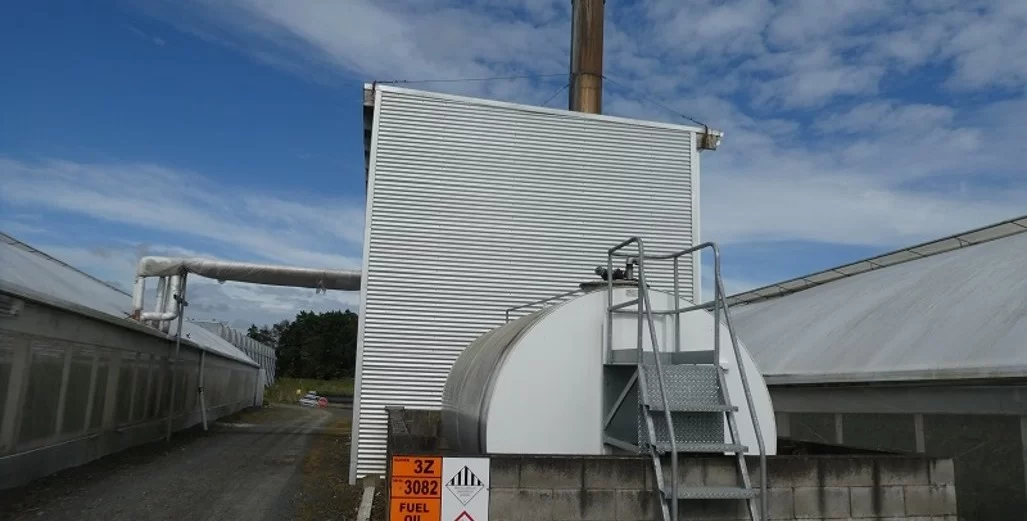
Waste oil supply changes force growers to reconsider long-term heating options ahead of winter. Two weeks ago I was alerted that one of the major recycled waste oil suppliers, based in the Auckland region, will soon stop supplying greenhouse growers. For one of my customers this came as a significant shock, particularly given that notice was given that deliveries will cease in the coming months –
CLASSIFIED