
Sign up here to subscribe to the Grower2grower Ezine. Every two weeks you will receive new articles, specific to the protected cropping industry, informing you of industry news and events straight to your inbox.
28
Jul 2019
Jul 2019
Steve Dickson: Gliding into Retirement

40 years’ service and counting
Steve needs little, if any, introduction. If you don’t know who he is you must be a fairly new grower to the New Zealand greenhouse vegetable industry. Steve is very well known in the greenhouse fraternity, for the vast amount of work he has done, over the past twenty plus years, bringing NZ greenhouse growers some of the most popular vegetable varieties. The average New Zealander is more than likely to have consumed food produced from seeds Steve has sold at some point. That is an achievement he can be immensely proud of. This article is a celebration of Steve, the grower turned seed salesman, and the immense contribution he has made to our industry.
Steve is a baby boomer born and bred Aucklander from the suburb of Mount Wellington. When he left high school he wanted to be a wildlife ranger. He applied in his final year, at Penrose High, and out of 300 applicants he made a short list of 20. He missed out on that opportunity but was told if he applied again, the following year, he would be sure to make it. That summer, Steve placed an ad in the local paper, ‘student with HT licence looking for summer time work.’ He was contacted by a landscaping company and started working in an industry he had little knowledge of. Steve loved this job for the diverse nature of the work, after two years he had brought shares in the company. Hence, the career as a wildlife ranger was not pursued. For thirteen years Steve worked for the Tree Place Limited, he managed the landscape department which was also involved with growing large container trees. He became a nurseryman apprentice during that time.
After thirteen years Steve wanted a change in his career. In those days there was very good money to be made in tomatoes and he had colleagues that were growing tomatoes. Steve liked the idea of working inside a greenhouse, after years of working outside in a business that was dependent upon the weather. A greenhouse ticked all of the boxes, a regular workforce, working all year round, was profitable, he could own his own business outright and live in the countryside. After a huge amount of consideration and research, he sold his shares in the landscaping business and purchased a greenhouse. Steve knew many of the greenhouses in South Auckland, he decided he wanted to by an existing property, so in 1985 he bought a multi-span greenhouse in Drury and purchased his first tomato plants from Trotters nursery.

The original greenhouse is still producing crops today!
Steve, and wife Carol, had 1200 m2 of electric heated glasshouses which they grew in soil. The first year he achieved 18 kg per m2, which back in those days was more than acceptable and above the national average. By 1990 Steve had more than doubled the production to 40 kg per m2. Steve and Carol’s greenhouse area also expanded and nearly doubled during this period. However, by 1990 Australian tomatoes had begun coming into New Zealand market turning the business from a very profitable one to one that was making a marginal profit. Steve was one of the first growers to use liquid Co2, he produced more than 5 kg m2 using Co2 but not a cent more in profit due to the cost of the product. By 1993 Steve decided to sell the property, he had incurred a rugby injury which meant he needed back surgery. It would mean a long-term layoff so the property was sold, a lifestyle block, 500 meters away on the same road, was purchased. For the next 2 years Steve found a job managing Ascot Orchids in Mangere, he didn’t know anything about growing Orchids but knew a lot about controlling a greenhouse climate.
Despite Steve having little interest growing tomatoes again, the new property they purchased had a greenhouse that was growing 650 m2 of (dying) carnations. An ex-employee of Steve’s convinced him to plant tomatoes again. Steve only did the weekend work and then, as he admits was one of his poor business decisions, he decided to double the size of the greenhouse. As the Orchid business was becoming difficult and less profitable the greenhouses were leased out. Steve decided to look for new opportunities, Carol had seen an advertisement for a position as a seed rep for what was then Webling and Stewart Seeds. In 1997 Steve began his long tenure as a vegetable seed rep. He got the job because of his experience as a grower, but also because when he started growing tomatoes in the 1980’s he thought he might need more qualifications in the future, so he completed a three-year horticulture certificate with the National Institute of Horticulture specialising in vegetable production. He had to travel the country completing exams. He completed these qualifications in 1991.

The crops are now grown in coco bags but in the early days it was all grown in the soil
The primary reason for Steve’s employment was the company wanted to increase indoor seed sales. Steve had to learn about selling seeds to outdoor growers. He found the first six months as a seed salesman very difficult. His previous growing background was the catalyst for building trust and relationships with growers, who were very suspicious of salesman. Within two years Steve had contributed to doubling the turnover of the indoor seed sales, but came to the realisation he did not have enough time to service both the indoor and outdoor growers. The decision was made for Steve to be a dedicated greenhouse seed specialist. In 2003 Webling and Stewart Seeds part of Yates Vegetable seeds was sold, facilitating one of the key suppliers in NZ to start their own company. In 2004 Premier Seeds Limited was created with Steve as a foundation member and a shareholder.
There have been a few changes over the years, with suppliers etc., but Steve built up an extremely large client base and area to which Premier seeds supplied to greenhouse growers, capturing a very large percentage of the market share. Steve has been extremely influential in the introduction and trialling of new seeds in New Zealand. Countless trips to Europe ensued. Steve has the great ability to follow the new seed material, from day one at the nursery until plant pull out. Germination trials and constant counting, of new batches of seeds, has been vital in ensuring growers over-sow percentages are correctly calculated. His tireless efforts have proven fruitful for both himself and the growers he has introduced these varieties to. Steve was the first to introduce grafted tomatoes into New Zealand, using the Japanese grafting technique, even though he only then had a 35 % success rate it was clear that the benefits from grafting should continue to be explored. Now grafting is the norm for tomato and eggplant growers in New Zealand.
Steve has seen many changes in the greenhouse industry and he believes we have done well to keep up with modern Dutch technology. He states ‘The greenhouses have become larger, growing knowledge has increased and our growers have become more professional’. He believes that we are up there with the best growers in the world, boxing above our weight as well as keeping up with technology.
I asked Steve where he sees technology taking us in the future. He believes that the artificial lighting of crops, especially to lift winter production, if economically viable, will be the next step for some growers. This is dependent on modern greenhouses having height and only if they have Co2 enrichment available. Steve sees future potential in the greenhouse industry, with new crops such as medicinal cannabis on the horizon, as well as the continuation of the crops already grown in greenhouses. Steve believes if we can grow high quality, high-brix specialty tomatoes for the Asian market it may open up new opportunities. One issue he foresees is the short, three to four-month, window during our high light periods to achieve high brix level but the use of artificial lighting could possibly solve this issue.
Steve is now in his own words “gliding into retirement.” He is still actively involved with product development, placing and accessing new trials with the ultimate goal of finding improvements to the current varieties. Powdery Mildew is seen as a problem in our industry and this is one of the priorities- to find resistant varieties and ascertain where those new opportunities exist. So still lots to do! His previous core role, of looking after the sales in the North Island greenhouse sector has been handed over to colleague Imke Blackett, who has been working closely with Steve for the past five years.
Steve has had a huge influence in the New Zealand greenhouse vegetable industry and a career in the horticulture way of life since he has left high School. His contributions should be recognised for what they are which are second to none. Everyone who knows Steve has the upmost respect for his knowledge and his professionalism. He has helped many, including myself, over the past twenty plus years since he started selling seeds. If you are lucky enough, like I was, to sit down and pick his brains you should do so. Knowledge is wealth and Steve has that knowledge in abundance.
Steve, well done on a great career and a wonderful contribution to the sector.

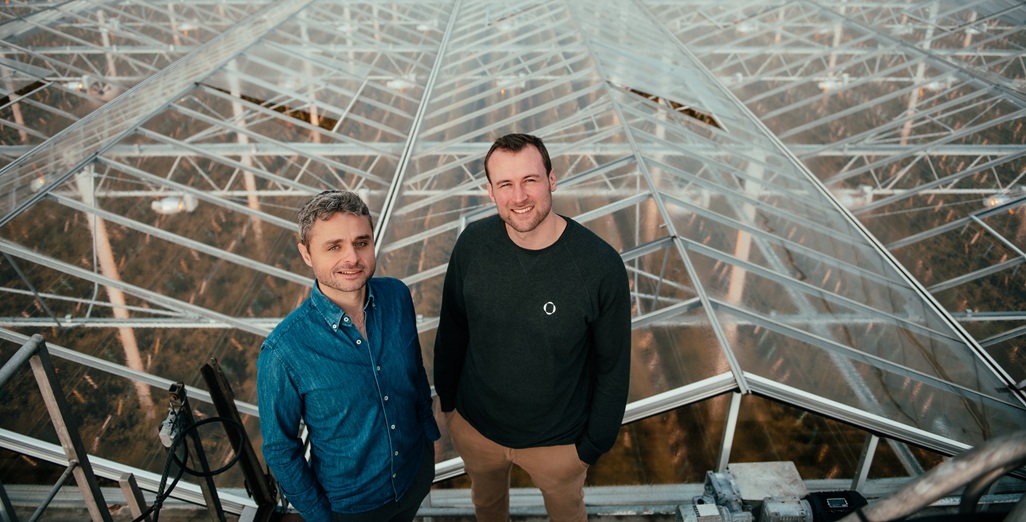
Cover Photo: Steve back to where it all started in 1986 in the original 1200 m2 he originally started growing in.

The electric air heaters are still used on this property today

The Co2 bottle connections are still attached to the structure.

I appreciate your comments. Please feel free to comment below or on the grower2grower Facebook page:
https://www.facebook.com/StefanGrower2grower/
Article Written by Stefan Vogrincic, Consultant, Grower2Grower
Article Edited by Marie Vogrincic, Editor, Grower2Grower
CLASSIFIED








Subscribe to our E-Zine
More
From This Category
April 20, 2026
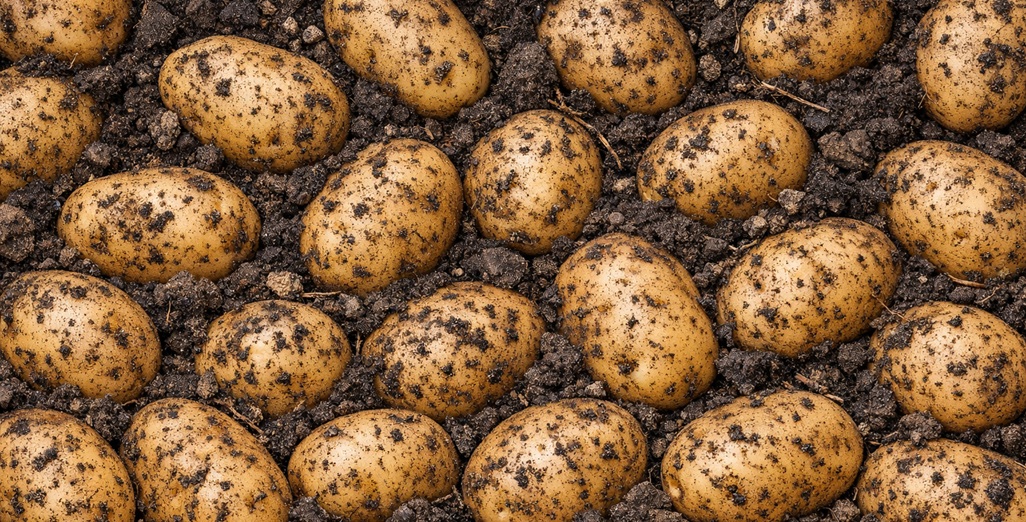
The Environmental Protection Authority (EPA) has approved a new fungicide seed treatment to control disease on potatoes.
The New Zealand potato industry is valued at approximately $1 billion annually, according to Potatoes New Zealand.
April 20, 2026
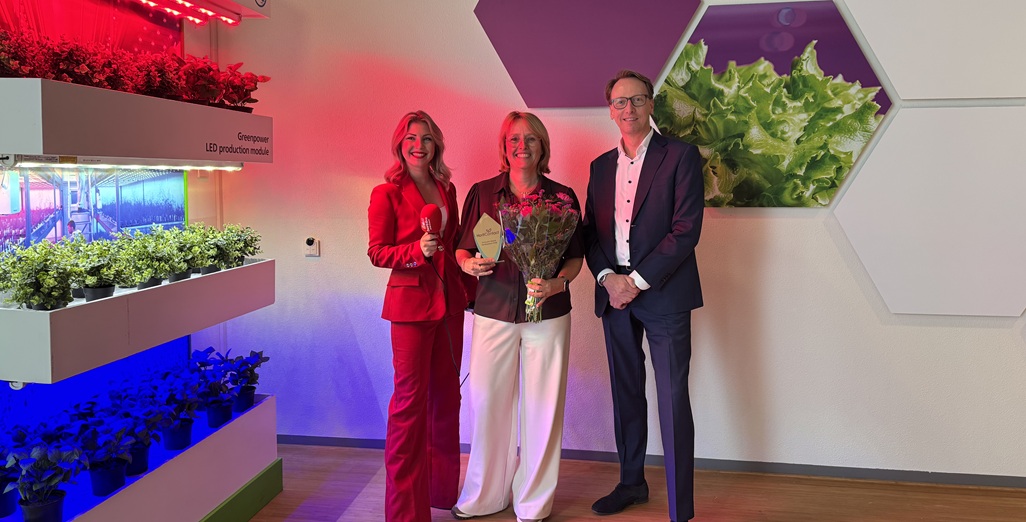
Signify wins HortiContact Innovation Award for Philips intelligent horticulture lighting solutions
“We are incredibly proud of this recognition”
April 7, 2026
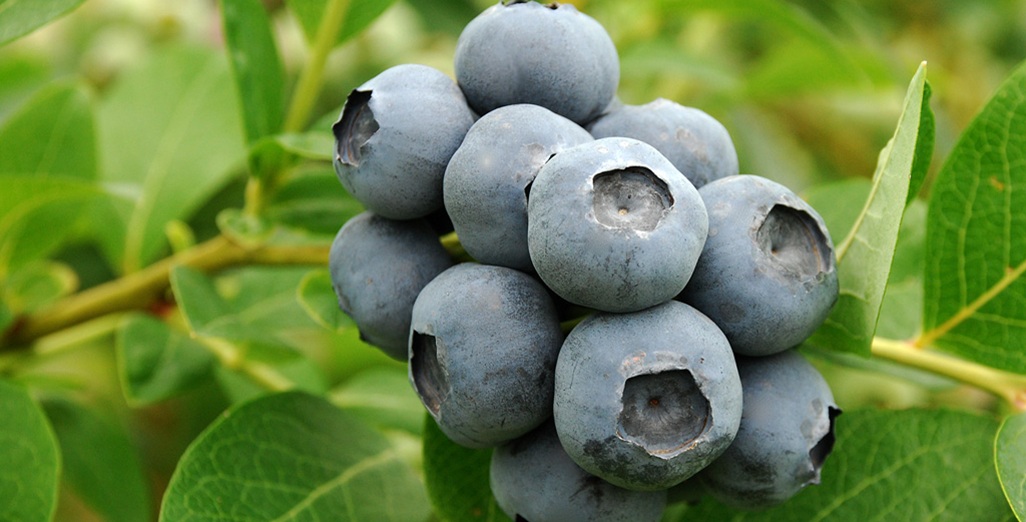
Proposed import requirements for fresh blueberries (Vaccinium spp.) for human consumption
Make your submission
March 23, 2026
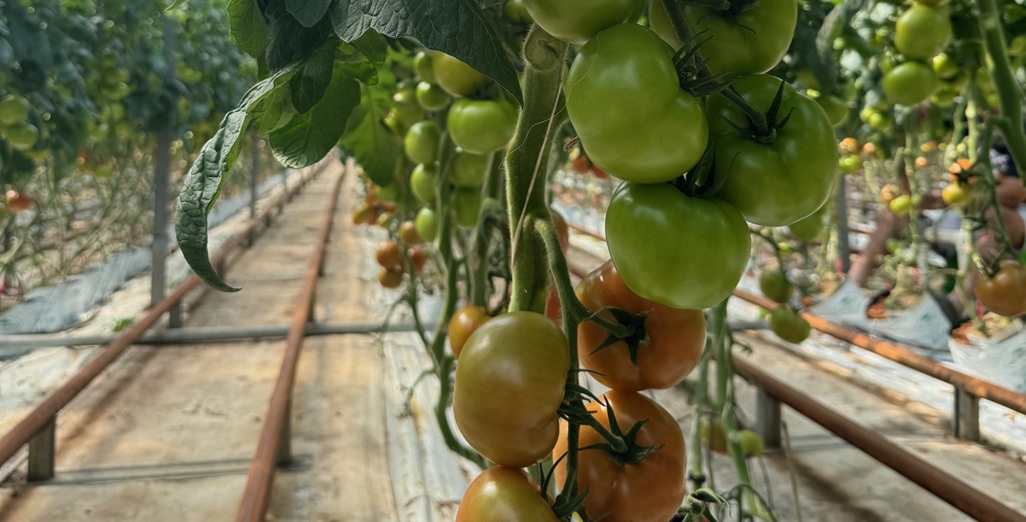
The Environmental Protection Authority (EPA) maintained the upward trend for hazardous substances decisions in the second quarter of the 2025-26 year.
Dr Lauren Fleury, Manager Hazardous Substances Applications, says the EPA continues to use rapid assessment pathways where possible. Of the 16 approved applications in the second quarter, 13 were decided by rapid assessment.
March 23, 2026
Source Advances Harvest Forecasting for Tomatoes with Next Generation AI Model
Fundamental changes to how the model learns and handles grower input mean significantly less manual work and meaningfully better accuracy.
March 10, 2026
Australia’s horticulture sector has delivered a year of record‑breaking performance
Highest production value to date of $18.4 billion, up 6% on the previous year.
CLASSIFIED