


Sign up here to subscribe to the Grower2grower Ezine. Every two weeks you will receive new articles, specific to the protected cropping industry, informing you of industry news and events straight to your inbox.
19
Oct 2019
Oct 2019
Optimising spray coverage

Grant Beare – 25 years of invaluable knowledge
Grant Beare, spray guru and certified industry trainer, is based in South Auckland. Grant has been repairing spray equipment for growers all over the country since 1994. With 25 years’ experience under his belt Grant has seen the results of effective and not so effective spray coverage on plants. He has experience with both indoor and outdoor growers.
Spraying the right volume of water per m2, using the correct nozzles, spray boom and pressures for effective coverage are areas Grant believes some growers could gain improved outcomes from.
Grant advisers’ greenhouse growers spraying full canopy crops to use .4 fan nozzles with 110-degree spray angle, approximately 300 mm apart, ideally connected to Braglia Nozzle holders, on the spray boom. Every second nozzle on the boom is a twin jet fan nozzle with the same 110-degree angle but with .2-hole outlet either side. By using water sensitive paper through the canopy of the plant Grant has been able to prove to growers how effective the coverage is carrying out his advice. Other important factors include the distance to the target and bar pressure. Understanding that all products are not entirely the same is another aspect for consideration.
Grant uses the TRW (Tree row volume) technique to calculate the volume of water that should be applied to every m2 of canopy. Row length x height (of what you are spraying) x double row (you are spraying two sides at once) x the number of rows. Approximately 2000 litres of water should be used per ha of an adult tomato crop, for effective full crop coverage. You will have to calculate the speed you need to walk to apply the required volume of water/product, unless you have a robot sprayer. Apart from advising growers on optimum spraying techniques, Grant will also calibrate spraying units.
Application of every spray is important if you want to have successful control of pests and diseases. Grant will help you understand the best and most effective way to spray your crop.
With whitefly appearing to be a major threat this summer, accurate application is of the utmost importance. Well worth calling Grant!
For more detailed information on this article or for spray application advice please contact:
Grant Beare
m: 021 020 08040
e: grant@educhem.co.nz

I appreciate your comments. Please feel free to comment on the grower2grower Facebook page:
https://www.facebook.com/StefanGrower2grower/
Article Written and compiled by Stefan Vogrincic, Consultant, Grower2Grower
Article Edited by Marie Vogrincic, Editor, Grower2Grower
CLASSIFIED












Subscribe to our E-Zine
More
From This Category
April 20, 2026
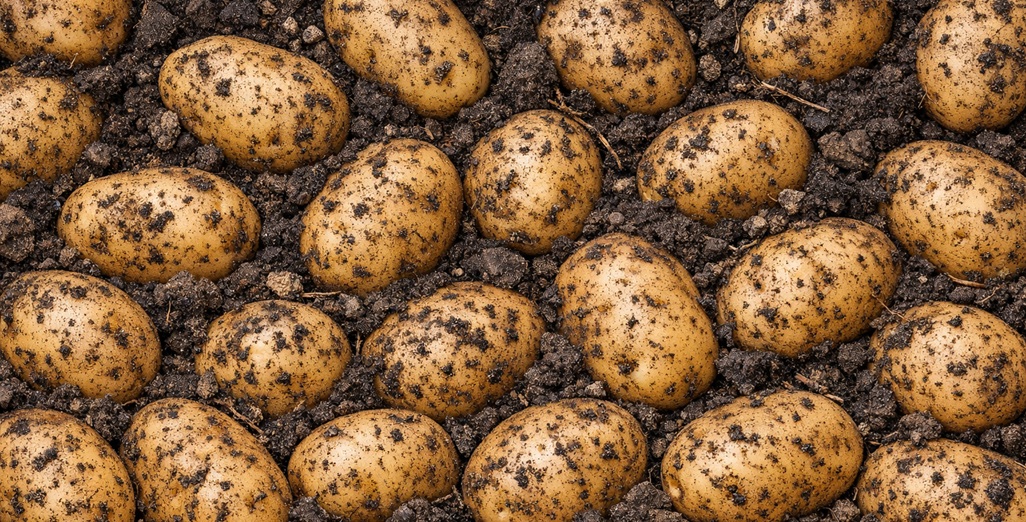
The Environmental Protection Authority (EPA) has approved a new fungicide seed treatment to control disease on potatoes.
The New Zealand potato industry is valued at approximately $1 billion annually, according to Potatoes New Zealand.
April 20, 2026
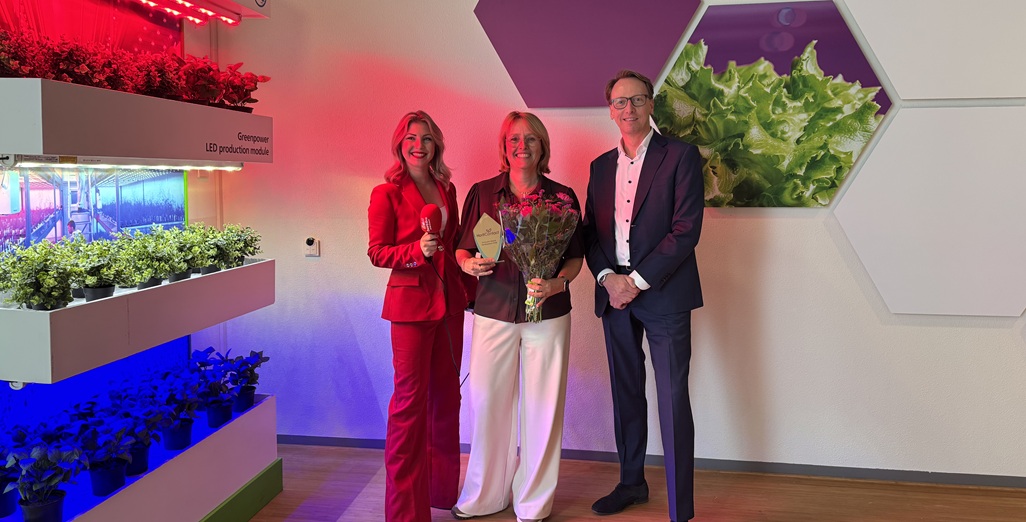
Signify wins HortiContact Innovation Award for Philips intelligent horticulture lighting solutions
“We are incredibly proud of this recognition”
April 7, 2026
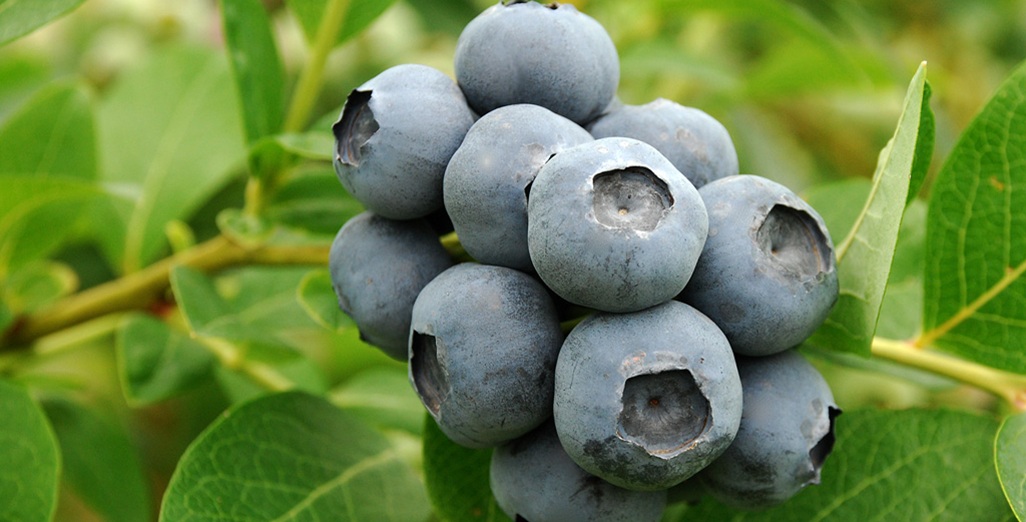
Proposed import requirements for fresh blueberries (Vaccinium spp.) for human consumption
Make your submission
March 23, 2026
The Environmental Protection Authority (EPA) maintained the upward trend for hazardous substances decisions in the second quarter of the 2025-26 year.
Dr Lauren Fleury, Manager Hazardous Substances Applications, says the EPA continues to use rapid assessment pathways where possible. Of the 16 approved applications in the second quarter, 13 were decided by rapid assessment.

March 23, 2026
Source Advances Harvest Forecasting for Tomatoes with Next Generation AI Model
Fundamental changes to how the model learns and handles grower input mean significantly less manual work and meaningfully better accuracy.
March 10, 2026
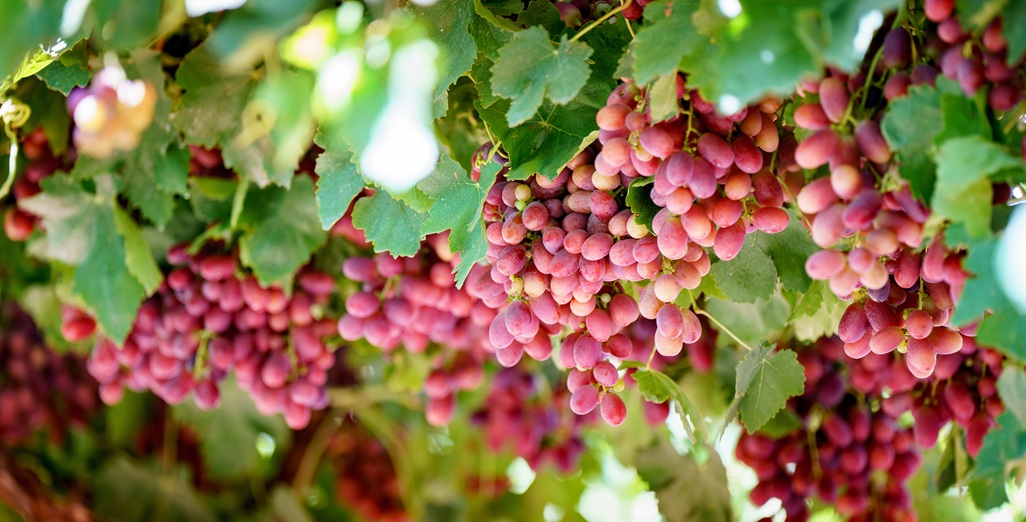
Australia’s horticulture sector has delivered a year of record‑breaking performance
Highest production value to date of $18.4 billion, up 6% on the previous year.
CLASSIFIED