

Sign up here to subscribe to the Grower2grower Ezine. Every two weeks you will receive new articles, specific to the protected cropping industry, informing you of industry news and events straight to your inbox.
24
Mar 2020
Mar 2020
COVID-19 (Hygiene)
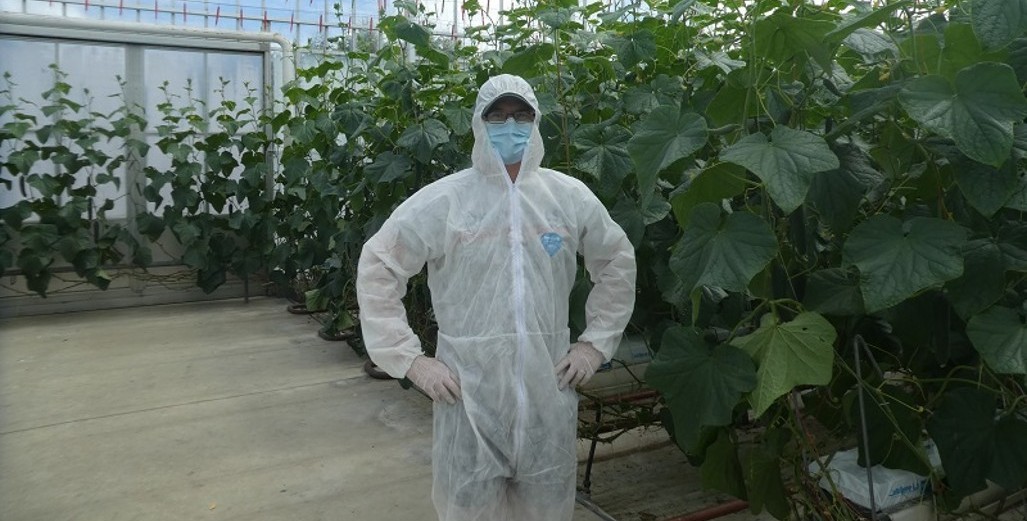
Hygiene is greenhouse growers number one priority
Even before the world was alerted to Coronavirus the tomato world, especially in Europe, has been battling its own war on a plant virus, the Tomato Brown Rugose Fruit Virus (ToBRFV for short). New Zealand growers are well aware of the risks and the threat to our industry if ToBRFV were to evade our border controls and make it on to our shores.
While ToBRFV obviously pales in comparison to the implications of Coronavirus, it highlights the need for much stricter hygiene controls for everything! Within the greenhouse industry all stakeholders, from the growers, suppliers, wholesalers, retailers, transport companies and advisors, have a duty of care to do everything to assure the public that extremely high hygiene protocols have been used throughout the entire food chain. When the consumer picks up the product at the supermarket, they need to be confident they are purchasing products that have complied 100% with quality assurance programmes. As an industry we already have excellent compliance programmes that growers and packhouses strictly adhere to. The only thing that could let the system down is complacency, so my advice is to keep on our toes (which should not be hard to do at this point in time) and as a collective, let’s discuss if there is even more, we could be doing.
Last week I was asked to wear full protective gear when visiting one of my customers, to advise on their crop, this included wearing a face mask. I had everything ready to put on as soon as I arrived in the grower’s carpark. It was then removed into a plastic bag ready for disposal when leaving the property. I don’t believe the request to wear the face mask was over the top but demonstrates the seriousness that growers are taking when anyone enters into their growing or packing areas.
Disinfecting and preventing the spread of COVID-19 is something I take seriously. I advise all growers to have ample stocks of disinfection products and protective clothing. Below is a list of some basic precautions I would exercise:
- Hand Sanitizers applied at every building entry/exit point
- Footbaths at doors (regularly topped up)
- Sanitisers to clean all greenhouse equipment
- Regular changing of gloves, masks, cover shoes
- Regular dipping/cleaning of pruning equipment
- Alternate staff breaks to limit close contact (see HortNZ link below)
- Regular washing of hands before and after exiting greenhouse each time.
- Work in your own assigned area if possible
Some commercial greenhouse products that are very good for hygiene and sanitising are:
- HuwaSan (Hydrogen Peroxide based disinfectant)
- Virkon S
- Sodium Hperchlorite

Even before Saturdays state of the nation address from New Zealand’s Prime Minister Jacinda Ardern, Edward Lee had started increased hygiene measures when handling the produce.
As of Monday the 23rd MPI have released new rules for growers to remain open. Please click on the link below and follow all of the recommendations from HortNZ. https://www.hortnz.co.nz/news-events-and-media/media-releases/covid-19-update-for-horticulture/

Everyone that is a visitor to a greenhouse must realise they pose a risk to transferring diseases. Covering up is the only option.
Keep safe!
I appreciate your comments. Please feel free to comment on the grower2grower Facebook page:
https://www.facebook.com/StefanGrower2grower/
Article Written and compiled by Stefan Vogrincic, Consultant, Grower2Grower
Article Edited by Marie Vogrincic, Editor, Grower2Grower
CLASSIFIED













Subscribe to our E-Zine
More
From This Category
April 20, 2026
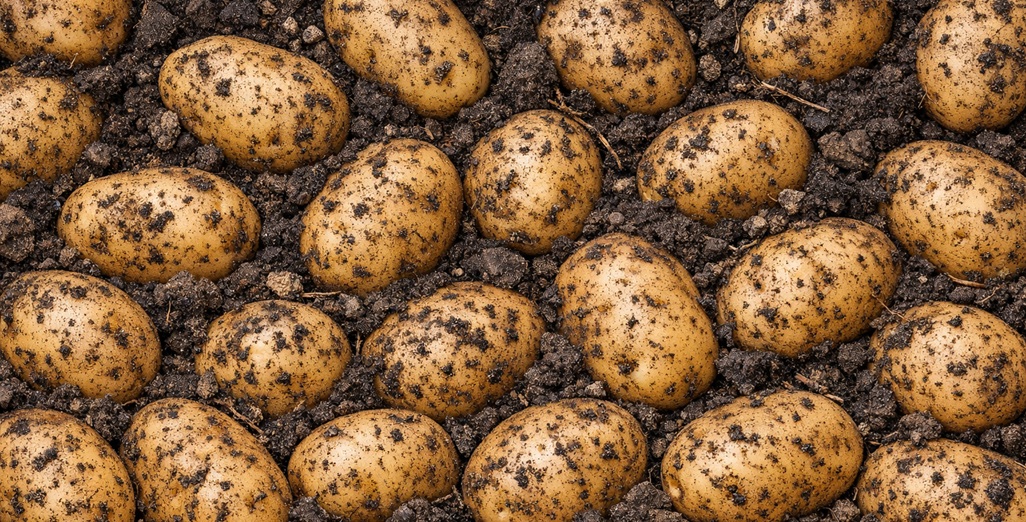
The Environmental Protection Authority (EPA) has approved a new fungicide seed treatment to control disease on potatoes.
The New Zealand potato industry is valued at approximately $1 billion annually, according to Potatoes New Zealand.
April 20, 2026
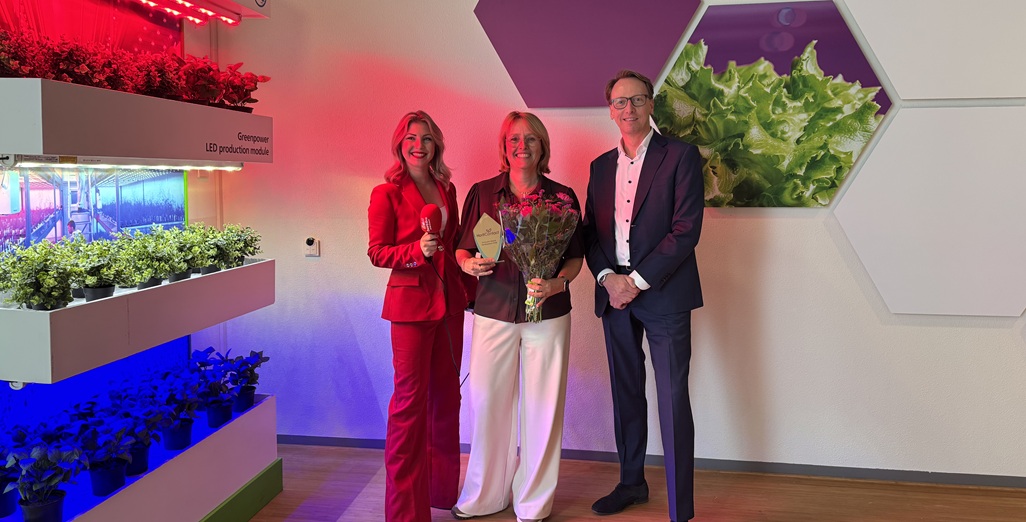
Signify wins HortiContact Innovation Award for Philips intelligent horticulture lighting solutions
“We are incredibly proud of this recognition”

April 7, 2026
Proposed import requirements for fresh blueberries (Vaccinium spp.) for human consumption
Make your submission
March 23, 2026
The Environmental Protection Authority (EPA) maintained the upward trend for hazardous substances decisions in the second quarter of the 2025-26 year.
Dr Lauren Fleury, Manager Hazardous Substances Applications, says the EPA continues to use rapid assessment pathways where possible. Of the 16 approved applications in the second quarter, 13 were decided by rapid assessment.
March 23, 2026
Source Advances Harvest Forecasting for Tomatoes with Next Generation AI Model
Fundamental changes to how the model learns and handles grower input mean significantly less manual work and meaningfully better accuracy.

March 10, 2026
Australia’s horticulture sector has delivered a year of record‑breaking performance
Highest production value to date of $18.4 billion, up 6% on the previous year.
CLASSIFIED