

Sign up here to subscribe to the Grower2grower Ezine. Every two weeks you will receive new articles, specific to the protected cropping industry, informing you of industry news and events straight to your inbox.
24
Mar 2020
Mar 2020
COVID-19
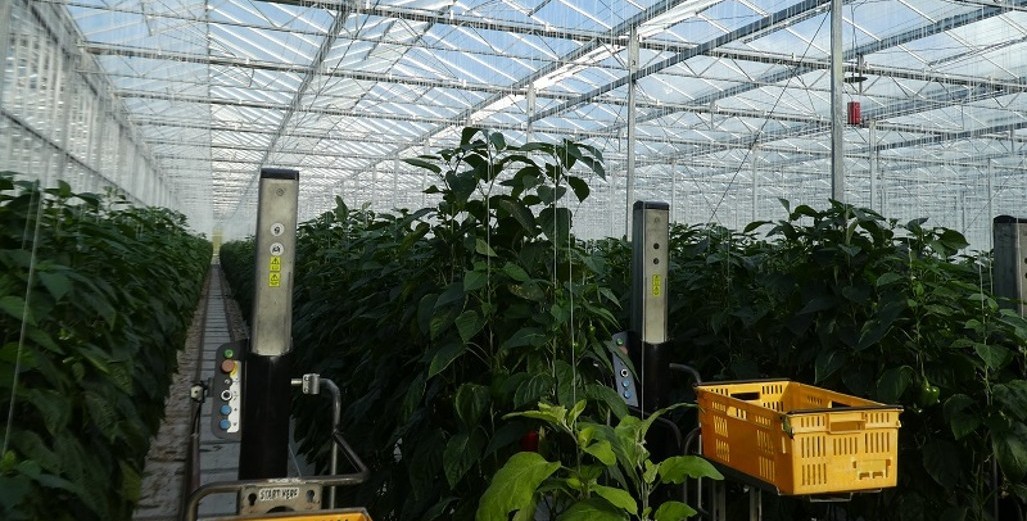
Greenhouse Horticulture is vitally important:
Coronavirus (COVID-19) is the single, largest issue facing the planet at present. It is shocking to see the impact this pandemic is having on the world. However, the fact that New Zealand is a few steps behind China, Italy and other locations in Europe has enabled New Zealand’s government to rapidly learn from what has occurred in these countries and respond as quickly as possible. No one can accurately predict the final outcome, a vaccine needs to be identified, tested, mass produced and administered before the virus is contained. Until such point we are in a holding pattern. Until then the world’s most vulnerable are at risk and must be protected.
Agriculture and Horticulture are currently playing a crucial role, not only supplying the one thing we all need, which is food, but has an essential role keeping New Zealand’s economy moving. The support networks that are involved with the primary sector are far reaching. Jobs and businesses associated with the produce supply chain from seed production right until the final product being purchased from the supermarket shelf is quite staggering.
Greenhouse vegetable production plays a major role supplying fresh year-round products. It has always been my opinion greenhouse or protected cropping will play a huge role in sustainable food production long term. With the outbreak of COVID-19 I am even more convinced it will not only play a vital role in sustainable production long term but could have a major impact to provide food security sooner. In the near future there may well be financial hurdles to success but the technology is available, we need to invest and support greenhouse growers, government and partnerships is key, not barriers.
Simply the primary sector is undeniably VITAL.
Horticulture can help with employment
The Kiwifruit industry is in need of 20,000 extra workers, they are offering a fantastic short-term opportunity for workers, who have become jobless due to the Coronavirus. I understand it will be unpractical for many, short-term affected workers, to re-locate and take up this seasonal work but demonstrates what is available in just one sector within horticulture.
I cannot speak for all horticulture as I am heavily involved with the NZ greenhouse vegetable industry, labour shortages have been a major issue recently. Protected cropping is generally a 365-day job so if you are serious about finding long term stable employment this is the industry you should consider.
I highly recommend reading the two articles below. Even though the first is directed to Dairy Farming, there are many similar issues facing protected cropping growers. The second is another fantastic article by Mike Chapman, Chief Executive of HortNZ
https://www.hortnz.co.nz/news-events-and-media/mikes-blog/time-to-eat-healthy/


I appreciate your comments. Please feel free to comment on the grower2grower Facebook page:
https://www.facebook.com/StefanGrower2grower/
Article Written and compiled by Stefan Vogrincic, Consultant, Grower2Grower
Article Edited by Marie Vogrincic, Editor, Grower2Grower
CLASSIFIED












Subscribe to our E-Zine
More
From This Category
April 20, 2026
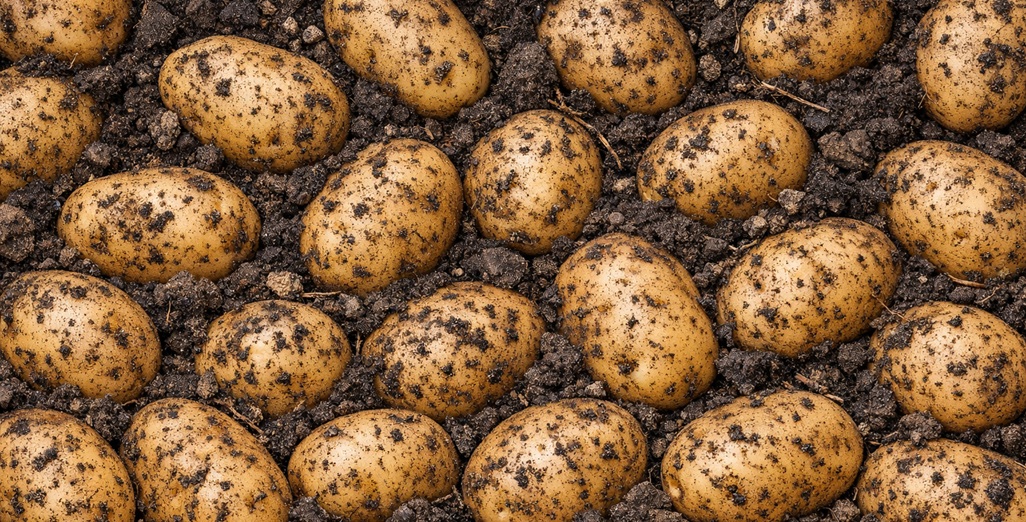
The Environmental Protection Authority (EPA) has approved a new fungicide seed treatment to control disease on potatoes.
The New Zealand potato industry is valued at approximately $1 billion annually, according to Potatoes New Zealand.
April 20, 2026
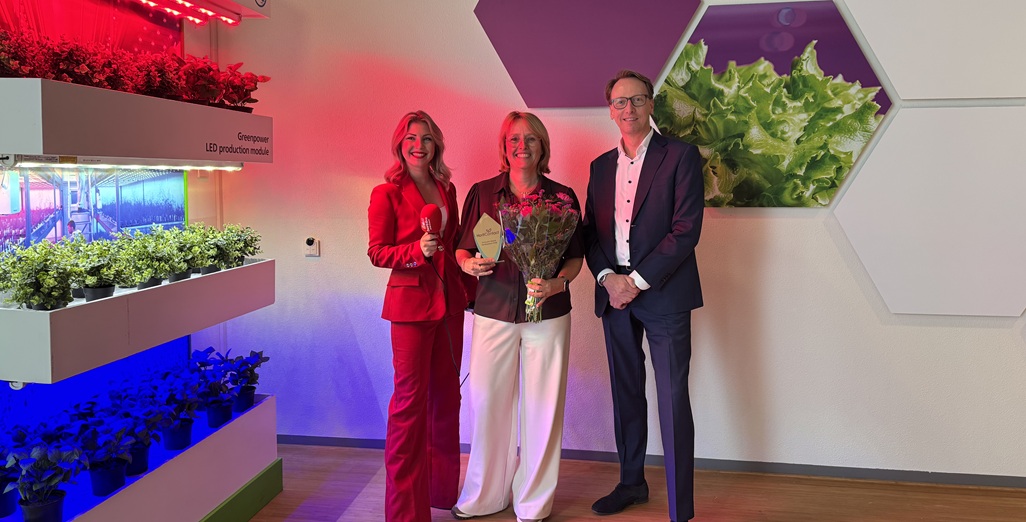
Signify wins HortiContact Innovation Award for Philips intelligent horticulture lighting solutions
“We are incredibly proud of this recognition”

April 7, 2026
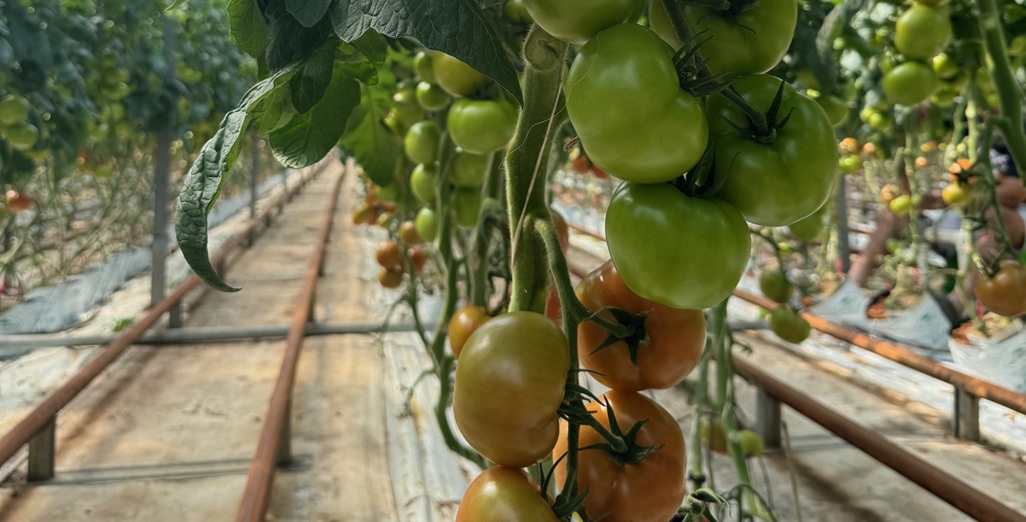
Proposed import requirements for fresh blueberries (Vaccinium spp.) for human consumption
Make your submission
March 23, 2026
The Environmental Protection Authority (EPA) maintained the upward trend for hazardous substances decisions in the second quarter of the 2025-26 year.
Dr Lauren Fleury, Manager Hazardous Substances Applications, says the EPA continues to use rapid assessment pathways where possible. Of the 16 approved applications in the second quarter, 13 were decided by rapid assessment.
March 23, 2026
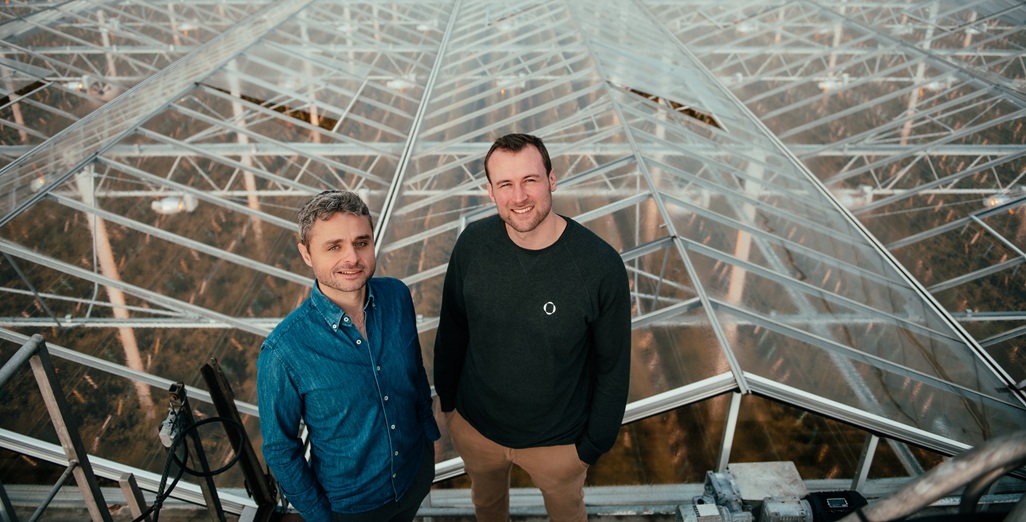
Source Advances Harvest Forecasting for Tomatoes with Next Generation AI Model
Fundamental changes to how the model learns and handles grower input mean significantly less manual work and meaningfully better accuracy.

March 10, 2026
Australia’s horticulture sector has delivered a year of record‑breaking performance
Highest production value to date of $18.4 billion, up 6% on the previous year.
CLASSIFIED