

Sign up here to subscribe to the Grower2grower Ezine. Every two weeks you will receive new articles, specific to the protected cropping industry, informing you of industry news and events straight to your inbox.
22
Apr 2020
Apr 2020
Powdery Mildew, Whitefly, TPP, Light and Irrigation

Drought is over and mushrooms are growing
In the last month I have observed the rapid outbreak of Powdery Mildew. The rain has returned, and mushrooms are sprouting on the lawn, hence the weather conditions are perfect for fungal infections. We enjoyed a fantastic hot and dry summer with very consistent light levels; however, days are shortening, it’s raining (thank goodness for the farmers), its cold then warm so we should not be surprised fungal issues are beginning.
Preventative measures are always better than cures so I would suggest making sure your tool kit for combating powdery mildew, and other potential harmful fungus, is ready to go. Botrytis and blight may also start to appear so best to be prepared.

During late March and April whitefly has been an issue for many growers. One grower had a huge influx from neighbouring market gardeners and another sent me pictures of TPP establishing on their company’s tomato crop. So far, no Psyllid Yellows in that crop but this may be more visible in 4-5 weeks. My advice, going into winter, remains to be do so with the least number of insects you possibly can to reduce spraying during the winter period. If your control is successful now then the chance of success is much higher. Using Integrated pest management (IPM) then becomes a great option at a time of the year when outside insect populations are generally supressed. If you don’t control it right now then you could be faced with an ongoing battle.
The light levels have dramatically dropped this week, so it is important to manage crop loading, carrying more than what the plant can tolerate will weaken plants defences further. Twenty-four-hour temperatures need to reflect lowering light levels.
Root health and more importantly not over irrigating is so vital. Lowering maximum water content levels is a great way to protect the health of your root systems. Yes, growers need to be mindful of EC increasing but there are ways to manage that. Larger or higher tech operations will monitor, using slab sensors, but most growers still have different substrates and volumes of substrate so it is never one rule fits all. In other words, use all of your information, from the crop registrations, to base target figures. The growers that can optimise root health will have a far higher opportunity to maximise crop potential in my view.
As we head into late Autumn I cannot emphasise enough, and I will do this every year, that if you don’t maintain your crops health and balance you could struggle all winter. This does not mean go vegetative, you need vigour, vegetative will only mean endless fungus nightmares, over generative will mean small fruit and weak plants susceptible to insects. Balance is ultimately the challenge to successful outcomes.


All photos of Powdery Mildew taken this week.
I appreciate your comments. Please feel free to comment on the grower2grower Facebook page:
https://www.facebook.com/StefanGrower2grower/
Article Written and compiled by Stefan Vogrincic, Consultant, Grower2Grower
Article Edited by Marie Vogrincic, Editor, Grower2Grower
CLASSIFIED












Subscribe to our E-Zine
More
From This Category

April 20, 2026
The Environmental Protection Authority (EPA) has approved a new fungicide seed treatment to control disease on potatoes.
The New Zealand potato industry is valued at approximately $1 billion annually, according to Potatoes New Zealand.
April 20, 2026
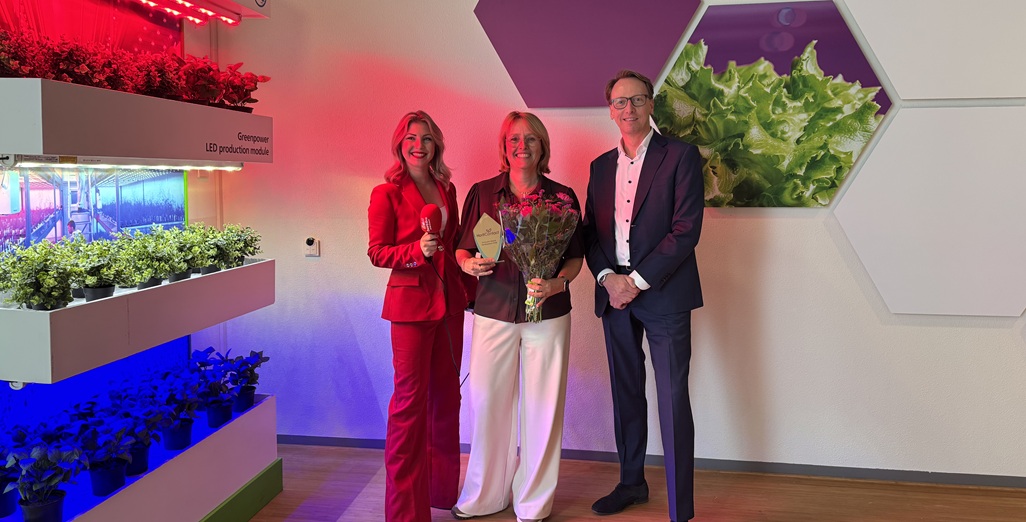
Signify wins HortiContact Innovation Award for Philips intelligent horticulture lighting solutions
“We are incredibly proud of this recognition”

April 7, 2026
Proposed import requirements for fresh blueberries (Vaccinium spp.) for human consumption
Make your submission
March 23, 2026
The Environmental Protection Authority (EPA) maintained the upward trend for hazardous substances decisions in the second quarter of the 2025-26 year.
Dr Lauren Fleury, Manager Hazardous Substances Applications, says the EPA continues to use rapid assessment pathways where possible. Of the 16 approved applications in the second quarter, 13 were decided by rapid assessment.

March 23, 2026
Source Advances Harvest Forecasting for Tomatoes with Next Generation AI Model
Fundamental changes to how the model learns and handles grower input mean significantly less manual work and meaningfully better accuracy.

March 10, 2026
Australia’s horticulture sector has delivered a year of record‑breaking performance
Highest production value to date of $18.4 billion, up 6% on the previous year.
CLASSIFIED