

Sign up here to subscribe to the Grower2grower Ezine. Every two weeks you will receive new articles, specific to the protected cropping industry, informing you of industry news and events straight to your inbox.
8
Sep 2020
Sep 2020
Bees escaping the greenhouse

Spring has arrived
For greenhouse crops that use bumble bees to pollinate this article is a timely reminder! It always happened, when the orchard next door was flowering during spring, the bees from my greenhouse would be more attracted to the flowering trees, they were obviously much greener pastures! This was a major pain in the ‘you know what ‘as it effected the set on my trusses. It is very important to increase bee pressure at this time of the year as not only is there more competition from outside but also truss and flowering speed are increasing quickly as the light intensity and day length increase.
Making sure sequential and fast setting is occurring for growers harvesting truss is crucial as appearance and uniformity of the set is important. I never quite found the perfect solution to this. My approach was to regularly monitor the truss to flower ratio. Too many flowers open and the lack of a bruise on the flower were my indicators.
Extra laterals will mean extra flowers open and you can quickly gauge the extra work load required of the bumble bees. Cherry toms will be flowering faster than I can write this so regular, scheduled bumble bee hive replacements are recommended. In a scenario where you may order two hives every two weeks split them up to one every week.
Another tip is to keep the hives out of direct sunlight and don’t stack them on top of each other.
This week I had a conversation with an ex grower, in regards to the best workers in the greenhouse, we both agreed were the humble bumble bees. I just hope they never catch onto holiday entitlements!


I appreciate your comments. Please feel free to comment on the grower2grower Facebook page:
https://www.facebook.com/StefanGrower2grower/
Article Written and compiled by Stefan Vogrincic, Consultant, Grower2Grower
Article Edited by Marie Vogrincic, Editor, Grower2Grower
CLASSIFIED













Subscribe to our E-Zine
More
From This Category
April 20, 2026
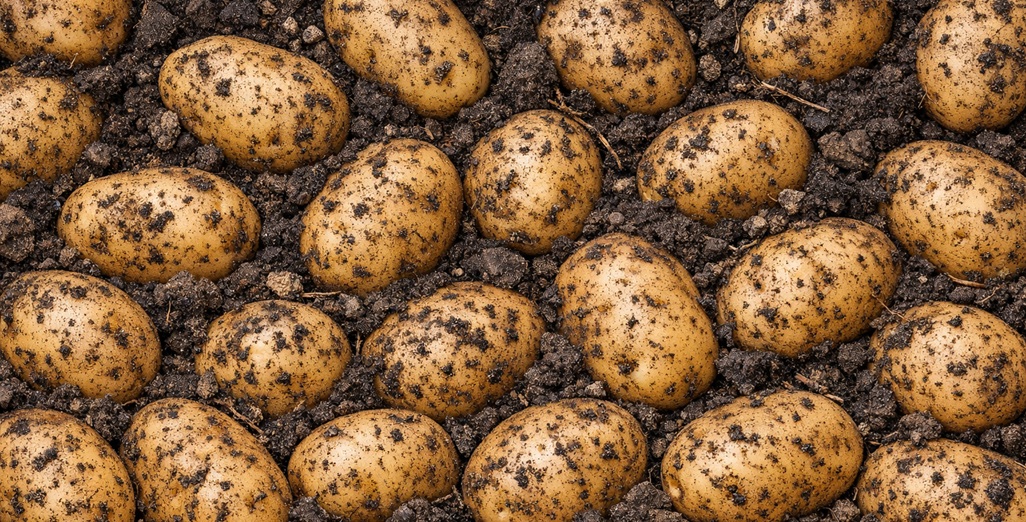
The Environmental Protection Authority (EPA) has approved a new fungicide seed treatment to control disease on potatoes.
The New Zealand potato industry is valued at approximately $1 billion annually, according to Potatoes New Zealand.
April 20, 2026
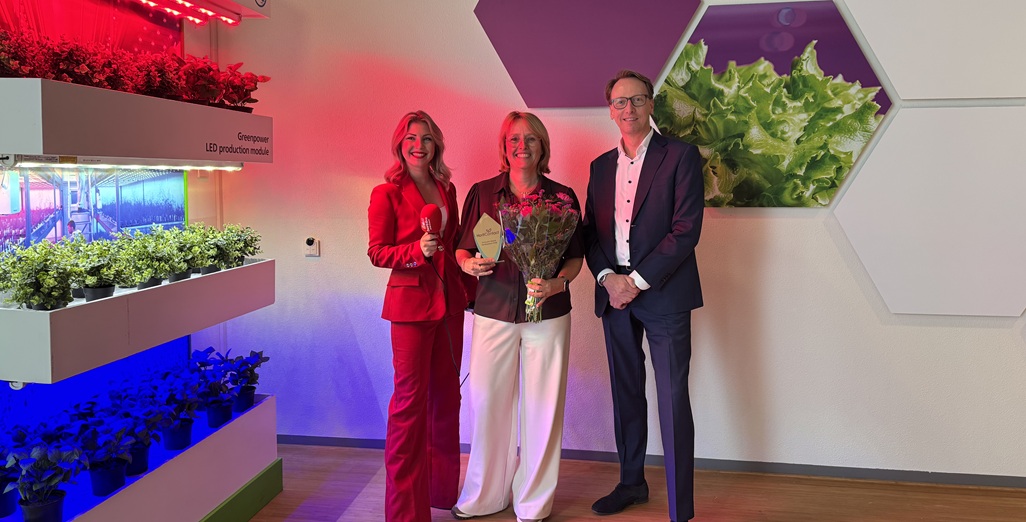
Signify wins HortiContact Innovation Award for Philips intelligent horticulture lighting solutions
“We are incredibly proud of this recognition”
April 7, 2026
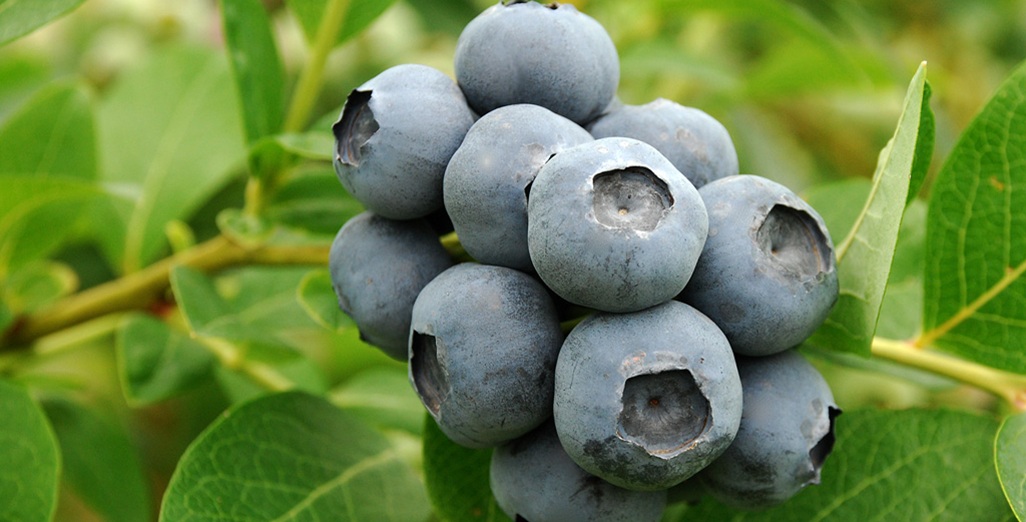
Proposed import requirements for fresh blueberries (Vaccinium spp.) for human consumption
Make your submission
March 23, 2026
The Environmental Protection Authority (EPA) maintained the upward trend for hazardous substances decisions in the second quarter of the 2025-26 year.
Dr Lauren Fleury, Manager Hazardous Substances Applications, says the EPA continues to use rapid assessment pathways where possible. Of the 16 approved applications in the second quarter, 13 were decided by rapid assessment.

March 23, 2026
Source Advances Harvest Forecasting for Tomatoes with Next Generation AI Model
Fundamental changes to how the model learns and handles grower input mean significantly less manual work and meaningfully better accuracy.
March 10, 2026
Australia’s horticulture sector has delivered a year of record‑breaking performance
Highest production value to date of $18.4 billion, up 6% on the previous year.
CLASSIFIED