

Sign up here to subscribe to the Grower2grower Ezine. Every two weeks you will receive new articles, specific to the protected cropping industry, informing you of industry news and events straight to your inbox.
22
Sep 2020
Sep 2020
Are Kiwis willing to work…..
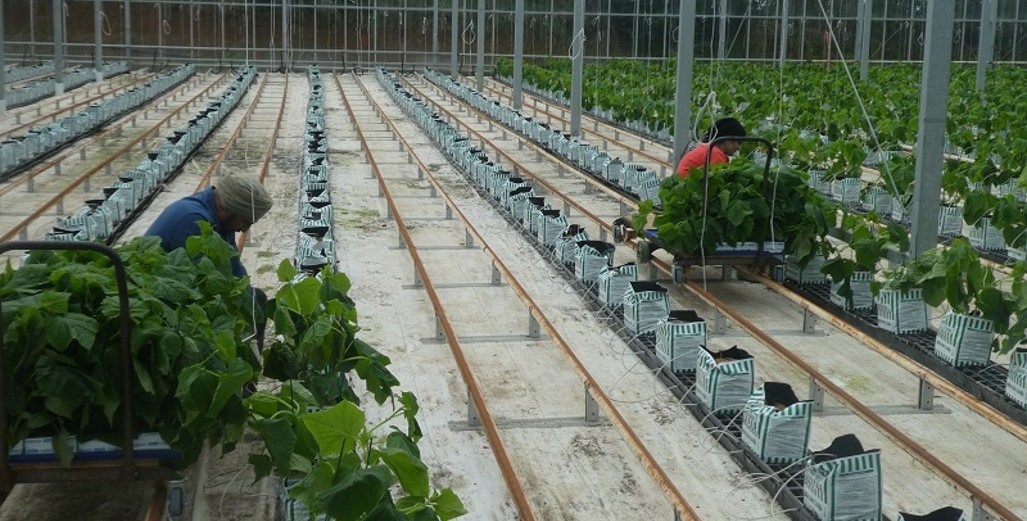
RSE workers required ASAP
In the last edition I posted an article in regards to the huge shortage of willing pickers in Queensland. I ‘tongue and cheek’ suggested “Hopefully, the powers that be, are well aware and have a watchful eye on what has happened in Australia, to quickly come up with short term solutions”. The day after another headline hit regarding the potential massive shortage of orchard workers this season. (see link at bottom of the page)
Recently I met with a greenhouse grower desperately trying to hire three new full-time workers. There has been quite a few enquires but yet no one is willing or been suitable to fill the positions. One potential worker, who had been offered the job, rang the grower to say they could not make it to work until they had received their benefit payment, so they had money to fill their vehicle with fuel. Unfortunately, this was an excuse as the person did not turn up at all to work.
Remuneration:
Most new employees, to the industry, will be offered an hourly rate on or just above the minimum wage. New staff are trained and become skilled. Employees, that apply themselves should be able to achieve higher remuneration in a relatively short amount of time. Workers are also offered secure fulltime positions, with the ability to work extended hours, if desired during crop cycles, when required.
So why don’t Kiwis want to work in a greenhouse?
Simply, they don’t have to, the incentive is just not worth it compared to the alternative. I am not sure what the alternative is but it appears being unemployed is the better option. Despite the economy being hit hard and unemployment rising it will not be enough to solve the labour shortage issue for the Horticulture sector.
Attention to Growing
Growing a crop successfully takes lots of attention and detailed analysis from growers. If that attention is diverted from growing a crop, due to labour shortage issues, then ultimately the crop may suffer from the distraction. It’s fantastic we have such amazing product groups that are trying to work with Government but even with that resource, growers are still being diverted from what they should be doing and that is growing.
The Tech Wave
This year, has highlighted the increasing need for new robotic technology. Currently and short term, there is real uncertainty in regards to the availability of workers that are willing to prune and harvest produce. Future automation and the replacement of manual jobs is becoming increasingly important. Robotic pickers are a prime example. If, in the future, growers are still unable to source locals and RSE’s are capped, or simply cannot enter NZ, then growers have two choices, adapt or let their fruit rot on the ground.
Related article:
Read Mikes blog https://www.hortnz.co.nz/news-events-and-media/mikes-blog/minus-12-percent/.JPG)
I appreciate your comments. Please feel free to comment on the grower2grower Facebook page:
https://www.facebook.com/StefanGrower2grower/
Article Written and compiled by Stefan Vogrincic, Consultant, Grower2Grower
Article Edited by Marie Vogrincic, Editor, Grower2Grower
CLASSIFIED













Subscribe to our E-Zine
More
From This Category

April 20, 2026
The Environmental Protection Authority (EPA) has approved a new fungicide seed treatment to control disease on potatoes.
The New Zealand potato industry is valued at approximately $1 billion annually, according to Potatoes New Zealand.
April 20, 2026
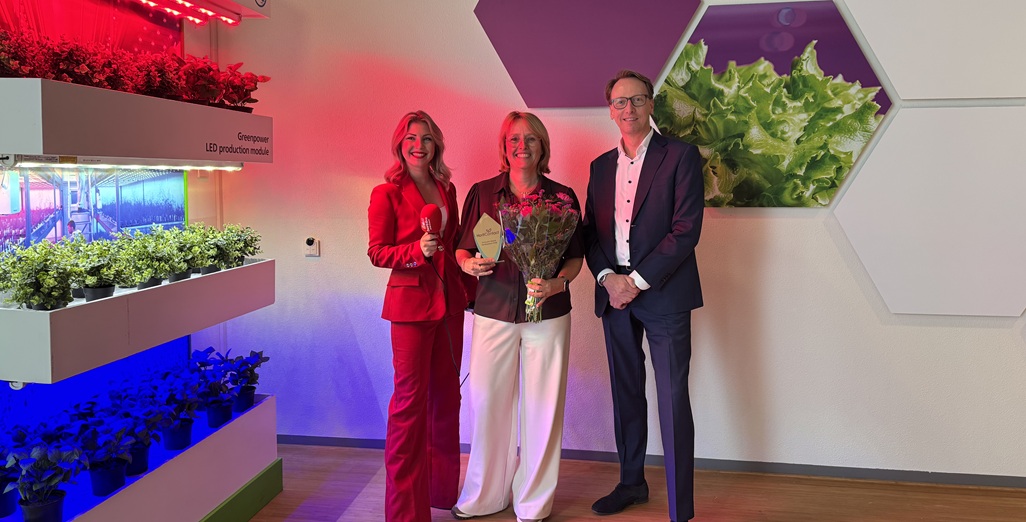
Signify wins HortiContact Innovation Award for Philips intelligent horticulture lighting solutions
“We are incredibly proud of this recognition”

April 7, 2026
Proposed import requirements for fresh blueberries (Vaccinium spp.) for human consumption
Make your submission
March 23, 2026
The Environmental Protection Authority (EPA) maintained the upward trend for hazardous substances decisions in the second quarter of the 2025-26 year.
Dr Lauren Fleury, Manager Hazardous Substances Applications, says the EPA continues to use rapid assessment pathways where possible. Of the 16 approved applications in the second quarter, 13 were decided by rapid assessment.
March 23, 2026
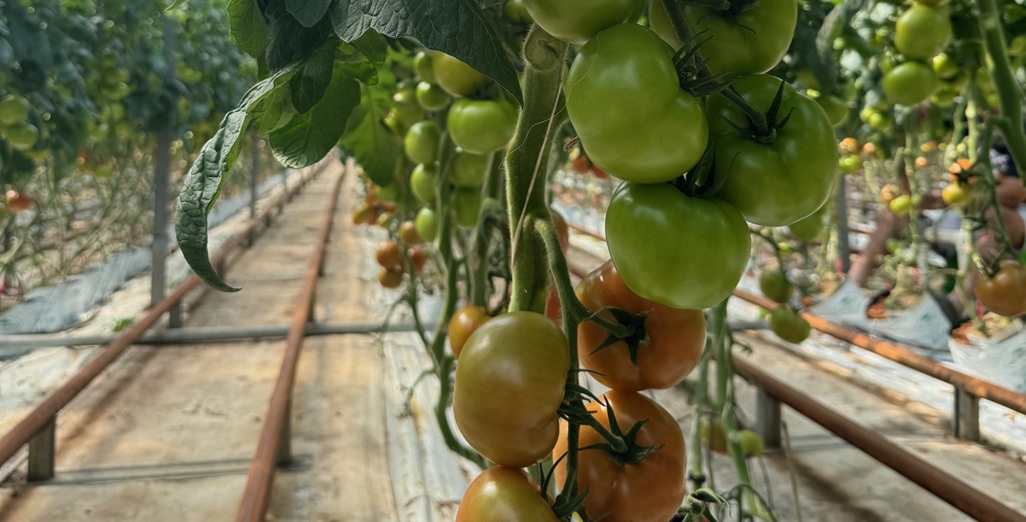
Source Advances Harvest Forecasting for Tomatoes with Next Generation AI Model
Fundamental changes to how the model learns and handles grower input mean significantly less manual work and meaningfully better accuracy.

March 10, 2026
Australia’s horticulture sector has delivered a year of record‑breaking performance
Highest production value to date of $18.4 billion, up 6% on the previous year.
CLASSIFIED