

Sign up here to subscribe to the Grower2grower Ezine. Every two weeks you will receive new articles, specific to the protected cropping industry, informing you of industry news and events straight to your inbox.
18
Nov 2025
Nov 2025
EPA – New reporting and notification requirements are coming in 2026
From 1 January 2026, in addition to the business information you currently need to provide, all importers and manufacturers of hazardous substances will need to provide:
• your New Zealand Business Number (NZBN) if you have one
• the HSNO approval number or group standard number(s) for each hazardous substance you are importing or manufacturing.
You’ll need to notify us within 30 days of first importing or manufacturing each hazardous substance. Any changes to your business information, such as a new point of contact, business address, or other relevant details, also need to be reported within 30 days.
If you’ve already provided this information and meet your responsibilities under the current Hazardous Substances (Importers and Manufacturers) Notice, you’ll need to use the new
online portal to resubmit this information from 2026. This helps ensure that information in the new online portal is up to date.
Annual reporting for certain chemicals
If you import or manufacture certain hazardous substances, you’ll need to submit an annual report to the Environmental Protection Authority (EPA). The first reports, covering activity
during the 2025 calendar year, will be due between 1 January and 31 May 2026. Start keeping records now to ensure you’re ready.
Substances requiring annual reporting include:
• agrichemicals (eg pesticides, fumigants, plant growth regulators, vertebrate toxic
agents)
• selected veterinary medicines*
• timber treatment chemicals
• antisapstain chemicals
• antifouling paints.
*Only parasiticides used in large commodity animals (eg sheep, cattle, goats, horses) are
included.
You do not need to provide this information for:
• fertilisers
• methyl bromide**
• EDN**
• any substance imported or manufactured in accordance with a containment approval
issued under section 32 of the HSNO Act.
**These substances have separate reporting requirements under the HSNO Act.
What you’ll need to include in your annual report
Substance details:
• the product name
• the chemical category
• HSNO approval number or group standard title.
For each product, details of the active ingredient(s):
• the name
• CAS number (if applicable)
• total quantity (kg) in formulated products.
You’ll need to identify each product and report the amount of active ingredient contained in that product that was imported or manufactured over the previous calendar year.
Just relabeling or repacking? The annual reporting requirement doesn’t apply to you
The reporting requirement applies to those who import these designated hazardous substances from overseas or manufacture them in New Zealand. In cases where the
substances are relabelled, the original importer is responsible for reporting to avoid double counting.
Webinar on 26 November – register now
Join our webinar on 26 November at 10:30am to learn more about the upcoming reporting and notification requirements and the new online portal.
What you can do now
✔ Check the new requirements and key dates
✔ Sign up for HS Update
✔ Register for the webinar on 26 November
For more information contact:
Email: media@epa.govt.nz

CLASSIFIED

















Photo
Gallery












Subscribe to our E-Zine
More
From This Category
June 1, 2026
Exploring the Future of Protected Cropping in Asia
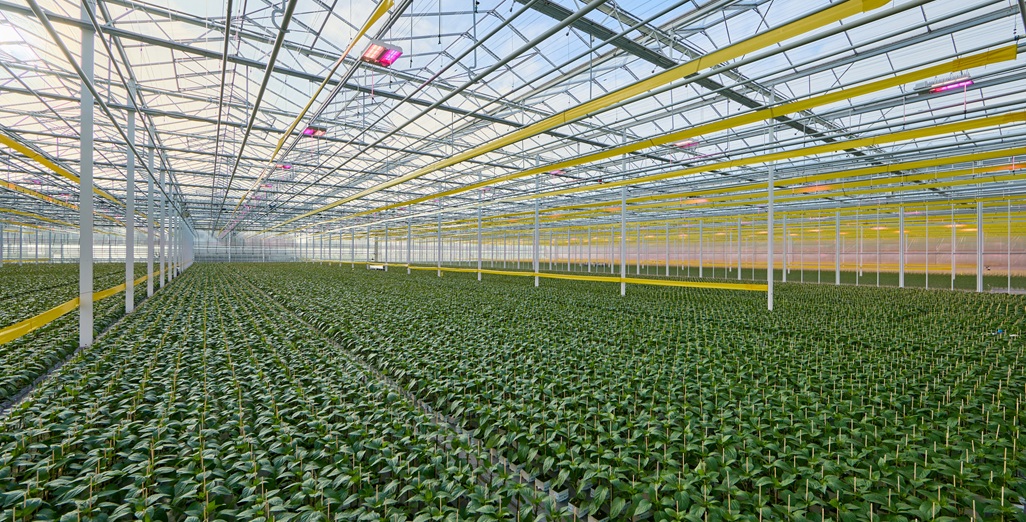
Covered Cropping NZ is seeking grower feedback on a proposed study tour to Korea and China, offering first-hand access to some of the world's most innovative greenhouse production systems.
June 1, 2026
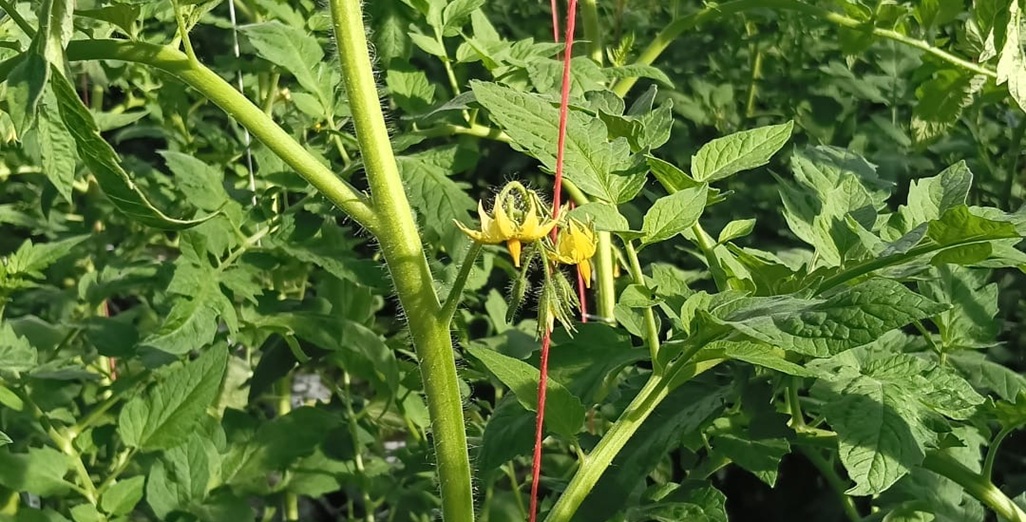
The Environmental Protection Authority (EPA) is calling for submissions on a proposal to restrict the use of insecticides containing bifenthrin.
The public consultation runs from 21 May - 21 July 2026.
May 19, 2026
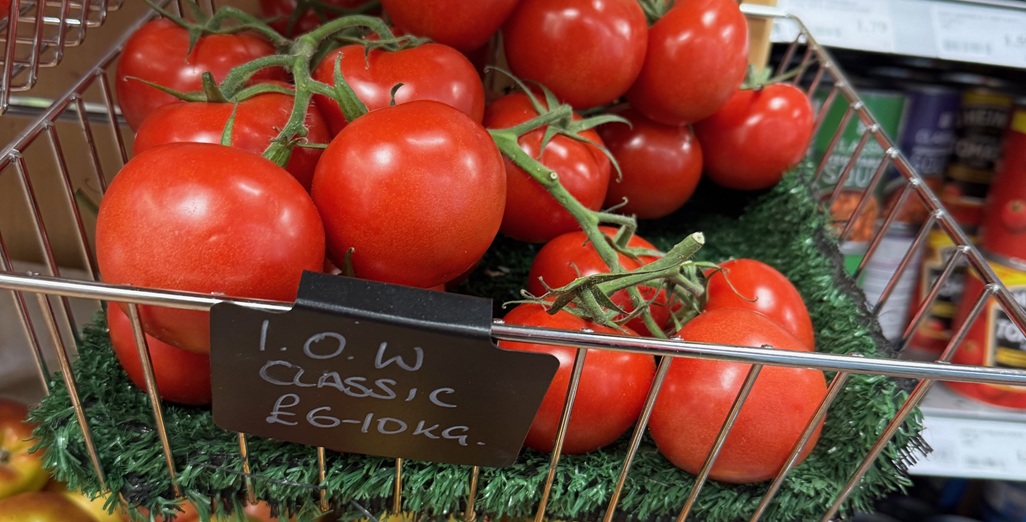
Food Costs in England – “Cheap as Chips in the Supermarket, Astronomical Eating Out”
Yesterday (18 May) I returned from more than three weeks in UK. As usual, my first port of call when arriving in England was the supermarket — and particularly the vegetable section, much to the annoyance of my wife. Before long I was snapping photos of my favourite greenhouse vegetables.
May 19, 2026
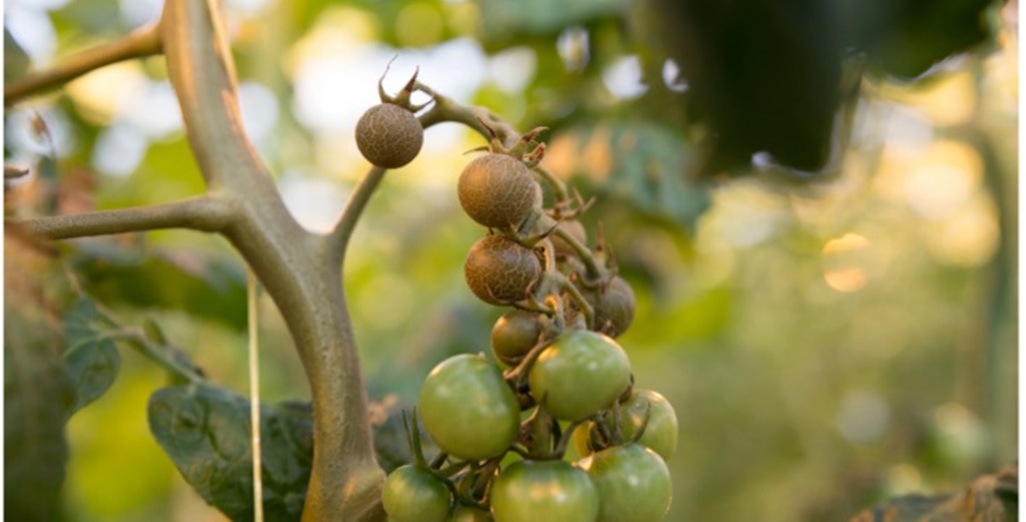
New technote for Tomato russet mite
New guidance on the use of chemical miticides for Tomato russet mite control provides growers with a broader range of management options.

May 5, 2026
Increasing cash: why extra height makes the difference for return and future
Raising a greenhouse is not a stopgap measure, but rather a strategic choice:
May 5, 2026
Horticentre Charitable Trust Continues Partnership with Grower2Grower for 2026
“Shared knowledge builds stronger growers and a stronger industry.”
CLASSIFIED