

Sign up here to subscribe to the Grower2grower Ezine. Every two weeks you will receive new articles, specific to the protected cropping industry, informing you of industry news and events straight to your inbox.
2
Feb 2021
Feb 2021
Weather Great
Production stable, price under pressure
Last week I heard, on the radio, a person complaining about the amount of rain we have had! Was that person kidding? This time last year my lawn was a desert and Hawkes Bay farmers were living through one of the worst droughts in living memory. The Auckland water reservoirs were starting to drop rapidly (still are not great).
Even though we have had several storms, (my water tanks are full) light levels have been sufficient and production is stable. Talking to growers over the past week the main issue is less to do with plant health but returns currently achieved by greenhouse vegetable growers. It is not just traditional greenhouse produce that returns have been low but a myriad of crops. Hopefully the silver lining is this will increase consumption of healthy, in season fruit and veg.
The Home Gardner:
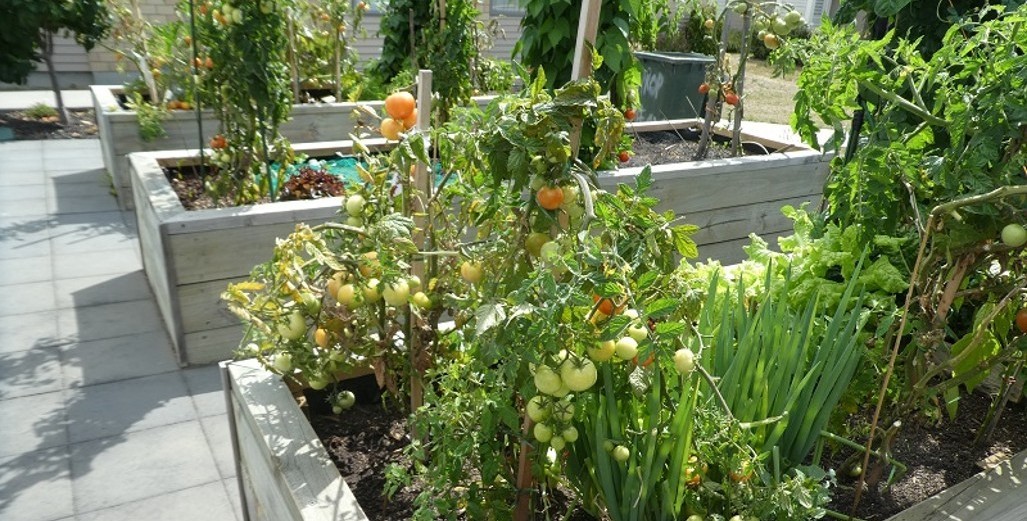
Last year, just before the first lockdown, ‘the home garden’ seed and plant sales went ballistic. It has been ideal conditions for growing in the garden this spring and summer. Perhaps, due to Covid-19 & the constant threat of further lockdowns, and less travel, the humble home gardener has been able to maintain vegetable patches much more efficiently than in the past. Harvesting enough fresh produce from the garden will directly reduce the need to purchase from the supermarkets. Many of those garden fruit and vegetable favourites will be in full harvest right now as well.
So not only are growers potentially competing against each other but possibly the reinvigoration of the home gardener.

Eating Habits of the non-Gardener:
It would be great to understand, as a result of Covid-19 and the lockdowns, how eating and purchasing habits have changed. I have heard it called the Covid-5kg where some of our waistlines may have expanded due to eating excessive amounts of potato chips, home baking and drinking an extra beverage or two while watching Netflix. Have eating habits changed to the point that less fruit and vegetables is being consumed long term, am I suffering from a COVID-19 can’t stop consuming unhealthy food disorder?
This article I read showed a noticeable drop in fresh fruit consumed in lockdown by some Danes. https://www.ncbi.nlm.nih.gov/pmc/articles/PMC7752855/
What could growers consider?
It’s difficult as uncertainty around Covid-19 continues. I would certainly not cut corners or make radical changes, as you never know what next month will bring in terms of supply and demand. Smaller growing operations may be in a position to use historical data to pin point times of the year it is better to be growing young plants rather than harvesting from mature plants. Having a contract would be great with whomever you are selling your produce to. For larger business, with locked in supply contracts, they have no choice but to produce in times of high volume and low prices to meet their obligations. Smaller businesses or businesses with multiple growing compartments, may be in a better position to investigate alternate opportunities, such as growing berries, ginger, tropical fruit etc.
New Zealand’s combined greenhouse area of tomatoes, cucumbers and capsicums compared to other indoor produce grown is high. With new high tech, energy efficient producing greenhouses built to grow tomatoes in the coming years it is also the ideal time to investigate new opportunities.
I appreciate your comments. Please feel free to comment on the grower2grower Facebook page:
https://www.facebook.com/StefanGrower2grower/
Article Written and compiled by Stefan Vogrincic, Consultant, Grower2Grower
Article Edited by Marie Vogrincic, Editor, Grower2Grower
CLASSIFIED












Subscribe to our E-Zine
More
From This Category
April 20, 2026
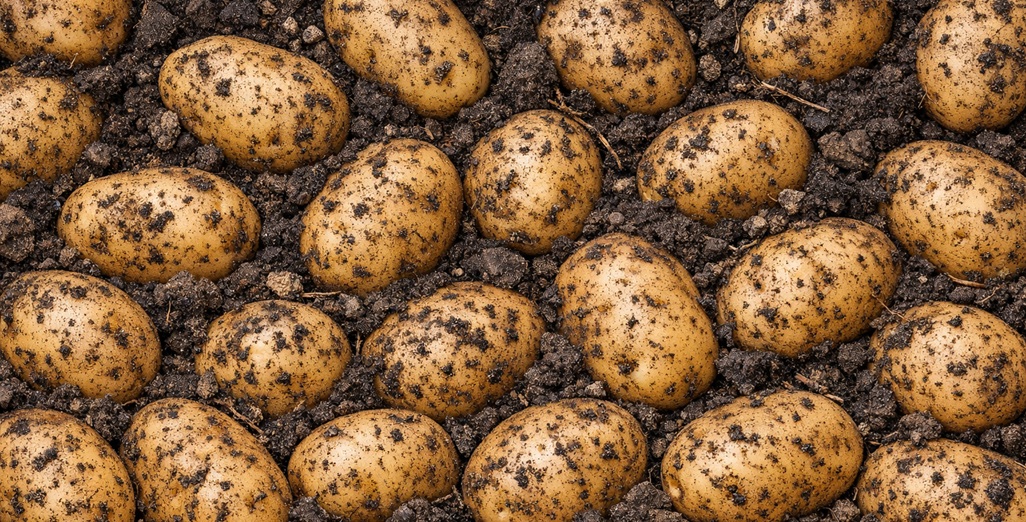
The Environmental Protection Authority (EPA) has approved a new fungicide seed treatment to control disease on potatoes.
The New Zealand potato industry is valued at approximately $1 billion annually, according to Potatoes New Zealand.
April 20, 2026
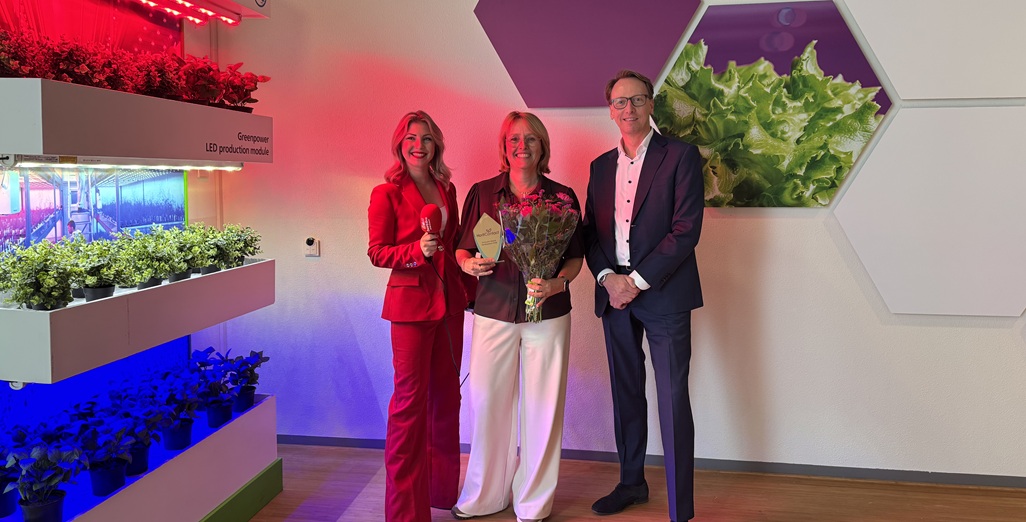
Signify wins HortiContact Innovation Award for Philips intelligent horticulture lighting solutions
“We are incredibly proud of this recognition”
April 7, 2026
Proposed import requirements for fresh blueberries (Vaccinium spp.) for human consumption
Make your submission
March 23, 2026
The Environmental Protection Authority (EPA) maintained the upward trend for hazardous substances decisions in the second quarter of the 2025-26 year.
Dr Lauren Fleury, Manager Hazardous Substances Applications, says the EPA continues to use rapid assessment pathways where possible. Of the 16 approved applications in the second quarter, 13 were decided by rapid assessment.

March 23, 2026
Source Advances Harvest Forecasting for Tomatoes with Next Generation AI Model
Fundamental changes to how the model learns and handles grower input mean significantly less manual work and meaningfully better accuracy.
March 10, 2026
Australia’s horticulture sector has delivered a year of record‑breaking performance
Highest production value to date of $18.4 billion, up 6% on the previous year.
CLASSIFIED