

Sign up here to subscribe to the Grower2grower Ezine. Every two weeks you will receive new articles, specific to the protected cropping industry, informing you of industry news and events straight to your inbox.
27
Apr 2021
Apr 2021
Plant losses due to whitefly or poor root health

Terrible whitefly infestation wreaks havoc
Whitefly continues to wreak-havoc. Recently I visited a crop surrounded by outdoor solanaceous crops. It is not the fault of the outdoor grower’s; they did not build a glasshouse in the middle of an outdoor cropping zone. Neither is it the fault of the greenhouse growers – it is the risk associated with building next to other horticulture activities. However, this is an industry wide issue for all crops affected by whitefly.
The cucumber crop was infested with a vast amount of whitefly, of which I have never seen before in such a short space of time. The grower had done everything possible, using all the correct procedures and techniques available, yet due to the number, millions if not billions, of whitefly pressure, from neighbouring properties, was losing plants at a rate of knots. Sooty mould was engulfing large amounts of leaf area and seemingly healthy plants were literally shrivelling up and dying. On inspection of the root systems, it was not apparent this was from a ‘long-term’ root issue. (see fig 2 roots were showing some browning and ill effects) On further inspection of the entire greenhouse where there were areas with less whitefly infestation, it was abundantly clear there were far less plants dying. A question I asked myself was – was the barrage of whitefly weakening the plant, inviting a root infection, or the other way around?
The non-scientific conclusion I have come to is that plants hit hardest by the whitefly had a higher mortality rate. It may well be the plant’s natural defence systems were simply unable to cope with the damage the whitefly had done. My advice is to still go ahead with a laboratory root analysis, to establish exactly what root pathogen the grower was dealing with.

A root system from a plant that had recently wilted and died
Insects such as whitefly, thrips, psyllids, aphids and mites are a constant threat and exceedingly difficult to control when an outbreak occurs. Greenhouse growers are at the mercy of surrounding activities. I believe it is essential to keep working on solutions that do not involve chemical or spraying solutions. IPM is not enough, in some cases, for greenhouse growers that are subject to other growing activities on their doorsteps. Insect proofing greenhouse’s is not an option for many growers as the change to the growing environment may well be counterproductive, especially with the percentage most greenhouse rooves can ventilate. Most greenhouse roof vents allow for 20-30% of the total surface area to be opened, the figure for adequate climate control may be over 50% for different areas in the country. Retrofitting a greenhouse with insect netting is not an easy task. If alternative solutions are not forthcoming in the future, growers may have no choice but to look seriously at the feasibility of building with insect proof netting of some description.

Plants in whitefly hot spots were dying more than in areas that had less whitefly pressure

(Cover) Dead whitefly litter the leaf surface
Article written and compiled by Stefan Vogrincic
All Article’s checked and edited by Marie Vogrincic
I appreciate your comments. Please feel free to comment on the grower2grower Facebook page:
https://www.facebook.com/StefanGrower2grower/
CLASSIFIED













Subscribe to our E-Zine
More
From This Category

April 20, 2026
The Environmental Protection Authority (EPA) has approved a new fungicide seed treatment to control disease on potatoes.
The New Zealand potato industry is valued at approximately $1 billion annually, according to Potatoes New Zealand.
April 20, 2026
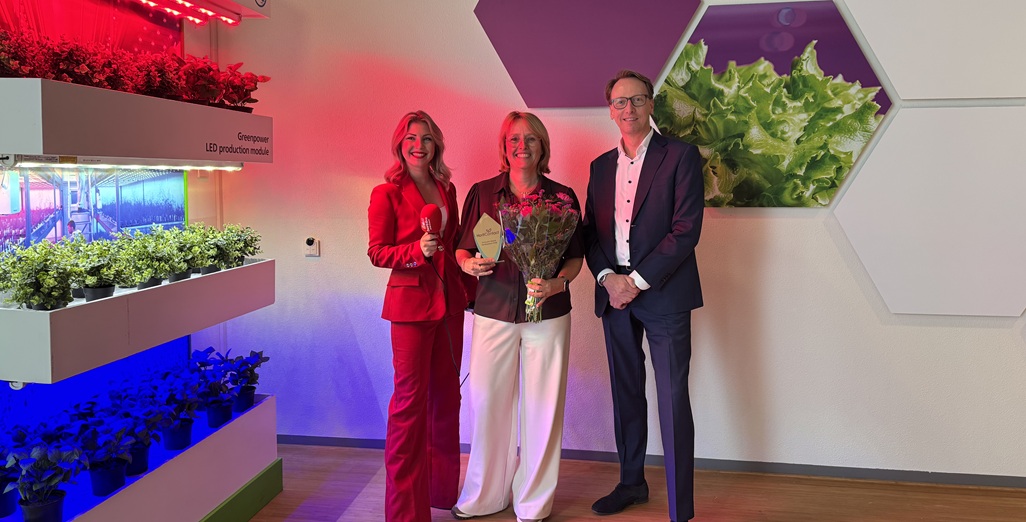
Signify wins HortiContact Innovation Award for Philips intelligent horticulture lighting solutions
“We are incredibly proud of this recognition”
April 7, 2026
Proposed import requirements for fresh blueberries (Vaccinium spp.) for human consumption
Make your submission
March 23, 2026
The Environmental Protection Authority (EPA) maintained the upward trend for hazardous substances decisions in the second quarter of the 2025-26 year.
Dr Lauren Fleury, Manager Hazardous Substances Applications, says the EPA continues to use rapid assessment pathways where possible. Of the 16 approved applications in the second quarter, 13 were decided by rapid assessment.

March 23, 2026
Source Advances Harvest Forecasting for Tomatoes with Next Generation AI Model
Fundamental changes to how the model learns and handles grower input mean significantly less manual work and meaningfully better accuracy.

March 10, 2026
Australia’s horticulture sector has delivered a year of record‑breaking performance
Highest production value to date of $18.4 billion, up 6% on the previous year.
CLASSIFIED