

Sign up here to subscribe to the Grower2grower Ezine. Every two weeks you will receive new articles, specific to the protected cropping industry, informing you of industry news and events straight to your inbox.
9
Jun 2021
Jun 2021
Papayas (Paw Paw) in a greenhouse

Another tropical fruit to consider
I am frequently being asked about growing non-traditional crops, by people looking to diversify, and whether they would be commercially viable. Over the past three years I have identified several products that should be investigated this takes time, effort and research. Without having a dedicated high-tech greenhouse research station, set up in New Zealand, to provide the necessary information for our location, we are reliant on overseas developments. The Dutch have the famous Wageningen University where they have the capacity to research all manner of non-traditional greenhouse crops, they determine if non-traditional produce can be grown in a greenhouse environment in Holland. The information sharing and collaborative research, between growers and the university, is providing the private sector with the confidence they require to commercially grow these different cultivars, in a high-tech greenhouse, with the knowledge they will make profitable returns.
In New Zealand – we do not have cohesive greenhouse research. We have pockets of research being conducted but often private businesses and entrepreneurs must take a punt; here in lies the issue. The confidence required, to be fully committed to growing alternative products, just isn’t there. One example is the extremely slow progression of the change from growing strawberries in the ground to producing them in protected cropping structures. Many other countries are growing in the most high-tech advanced systems you can imagine. In New Zealand there are constraints to investing in such high-tech developments, so growers are opting for low tech tunnel houses. Australia exports winter strawberries to NZ at a relatively cheap price, so I fully understand the hesitancy of building a high-tech strawberry farm in NZ.
I believe there is an opportunity to grow more tropical fruit under some type of protected structure in NZ. Without this being fully researched it is too hard to be 100% confident any new cultivar will be commercially viable. In Europe they have been commercially growing Papayas, in high tech greenhouses, with the help of research and collaboration, something I can only dream of happening here.
Below is a link to a video of the Papayas growing. The video is in Dutch and the grower is talking to a chef but seeing what is possible is what I am excited about.
https://binnenstebuiten.kro-ncrv.nl/passie-voor-eten/video/limburgse-papayas
This video shows the amazing production potential.

Cover photo supplied by Kotare Subtropical Nursery from Papaya plants currently growing in their greenhouse: E – kotarefarm@yahoo.co.nz : P – 0274 347 041
Article written and compiled by Stefan Vogrincic
All Article’s checked and edited by Marie Vogrincic
I appreciate your comments. Please feel free to comment on the grower2grower Facebook page:
https://www.facebook.com/StefanGrower2grower/
CLASSIFIED












Subscribe to our E-Zine
More
From This Category
April 20, 2026
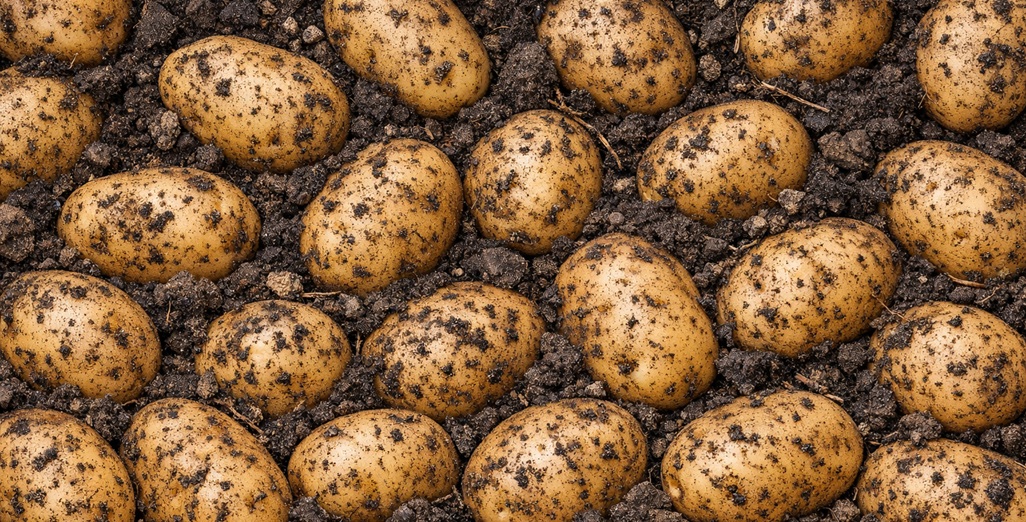
The Environmental Protection Authority (EPA) has approved a new fungicide seed treatment to control disease on potatoes.
The New Zealand potato industry is valued at approximately $1 billion annually, according to Potatoes New Zealand.
April 20, 2026
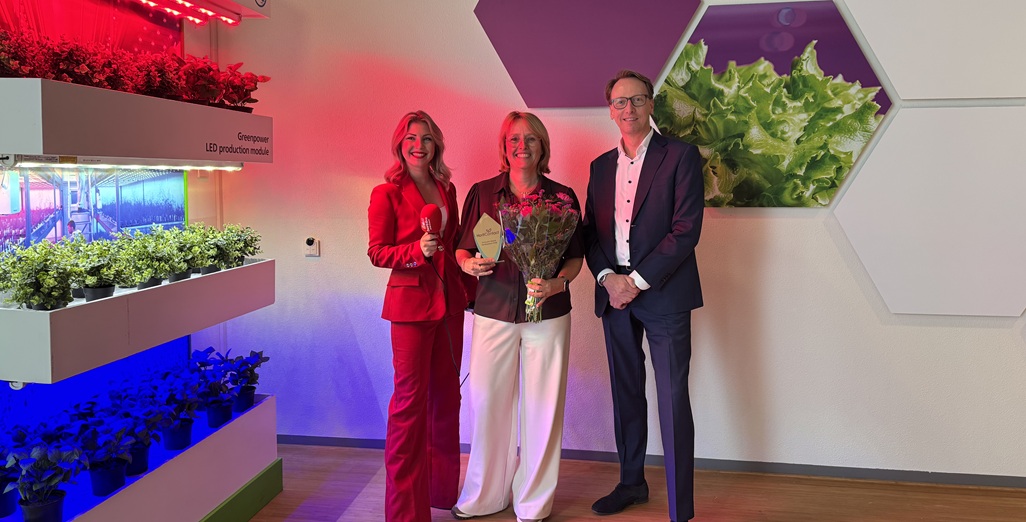
Signify wins HortiContact Innovation Award for Philips intelligent horticulture lighting solutions
“We are incredibly proud of this recognition”
April 7, 2026
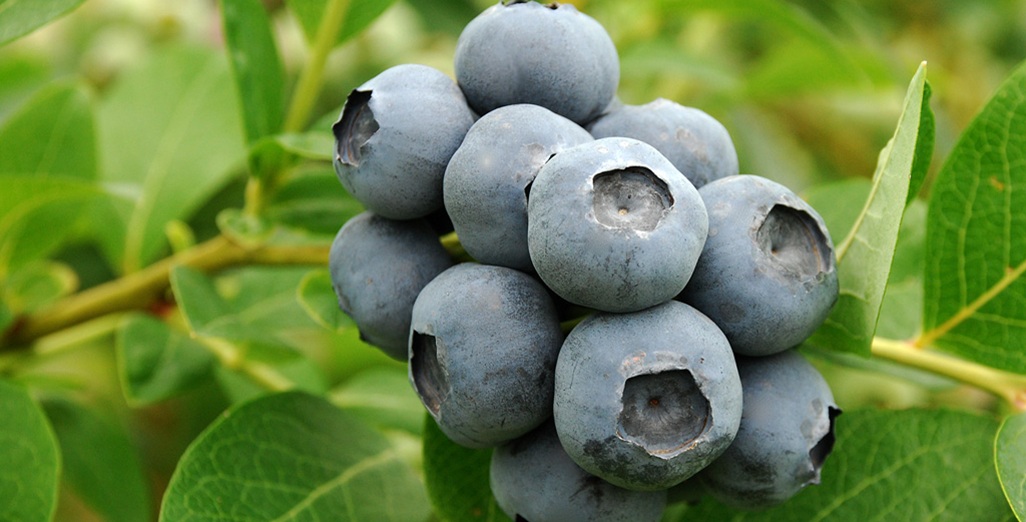
Proposed import requirements for fresh blueberries (Vaccinium spp.) for human consumption
Make your submission
March 23, 2026
The Environmental Protection Authority (EPA) maintained the upward trend for hazardous substances decisions in the second quarter of the 2025-26 year.
Dr Lauren Fleury, Manager Hazardous Substances Applications, says the EPA continues to use rapid assessment pathways where possible. Of the 16 approved applications in the second quarter, 13 were decided by rapid assessment.
March 23, 2026
Source Advances Harvest Forecasting for Tomatoes with Next Generation AI Model
Fundamental changes to how the model learns and handles grower input mean significantly less manual work and meaningfully better accuracy.
March 10, 2026
Australia’s horticulture sector has delivered a year of record‑breaking performance
Highest production value to date of $18.4 billion, up 6% on the previous year.
CLASSIFIED