

Sign up here to subscribe to the Grower2grower Ezine. Every two weeks you will receive new articles, specific to the protected cropping industry, informing you of industry news and events straight to your inbox.
6
Jul 2021
Jul 2021
Frost, Frost and more Frost
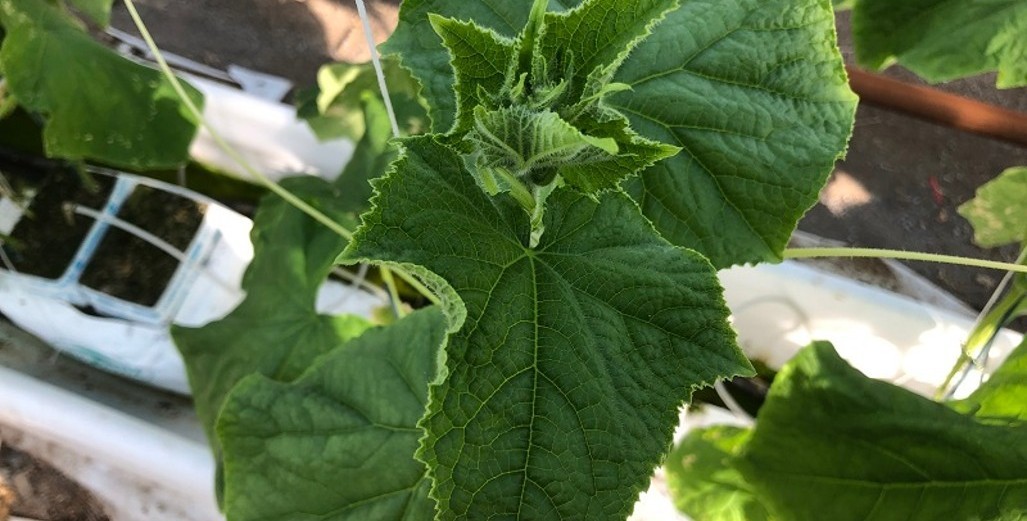
Production will go down Prices will go up
We have had nearly one week of heavy frosts in my local area of South Auckland, I am struggling to remember the last time we have endured this many frosts concurrently. Looking at the rest of the country it has been also extremely cold. The huge positive has been the amazing light levels, which must be through the roof for this time of the year with near perfect days. For growers that have good heating systems and have managed to maintain required greenhouse temperatures they will reap the rewards because even though we have had beautiful clear, sunny days the cold temperatures would have slowed many crops with heating systems simply not able to supply enough heat inputs.
June contrasting to July:
The end of June and beginning of July was of stark contrast to most of June. Growers all over the North and South Island have experienced warm, wet weather which has exacerbated and worsened fungal issues, including increased reporting of Botrytis and leaf mould in tomato crops and powdery mildew on cucumbers.
There was an article out today with the headline it has been the warmest June on record. https://www.newshub.co.nz/home/new-zealand/2021/07/new-zealand-records-warmest-june-on-record.html . This aligns with the reports from growers and the article indicates there was an increase in average rainfall. After the initial week of July, and looking at the short-term forecast, I am going to be interested to see if July will be our coldest on record.
Insect Pressure:
Whitefly has also been consistently difficult to control, as the warm outside temperatures in June have enabled outside populations to keep generating. However, this extreme cold snap would have put pay to all those pesky insects for now and will do wonders in supressing them until spring. I have seen a noticeable drop of Psyllid Yellow plants which is pleasing.
Energy:
Last week a close source indicated that their business electricity prices were forecast to increase by 70% in the next twelve months. Gas and coal prices are already high and sourcing a gas contract that will not send you broke or supply your business with enough gas for your operation for the next few years, is becoming harder by the day. In my opinion, these negative outcomes have been a catalyst for growers not heating sufficiently, but who can blame them. Therefore, we have more fungal pressure and why now with severe frosts production will plummet. I fully expect the price of all fresh veg to skyrocket in the coming months including all greenhouse grown produce. It is just further proof unintended consequences will come back to bite. Why we keep shooting ourselves in the foot and making it harder for less wealthy people to access affordable fresh, local winter fruit and veg astounds me. This hurts everyone both the grower and consumer.
The fact some growers are not even planting in the winter to avoid heating is also an indication of the imbalance that may occur with production flows later in the year and during Summer. There will be bargains for the consumer then but another migraine for growers.

This week I visited one grower that even with screens could barely hold 10 degrees above 0. The effects on this cucumber crop are noticeable – it is not a total disaster but if you are growing cucumbers, at this time of the year, and you cannot heat sufficiently your production will come to a grinding halt.
I am predicting the price of fruit and veg to increase – I hope I am wrong.
Article written and compiled by Stefan Vogrincic
All Article’s checked and edited by Marie Vogrincic
I appreciate your comments. Please feel free to comment on the grower2grower Facebook page:
https://www.facebook.com/StefanGrower2grower/
CLASSIFIED












Subscribe to our E-Zine
More
From This Category
April 20, 2026
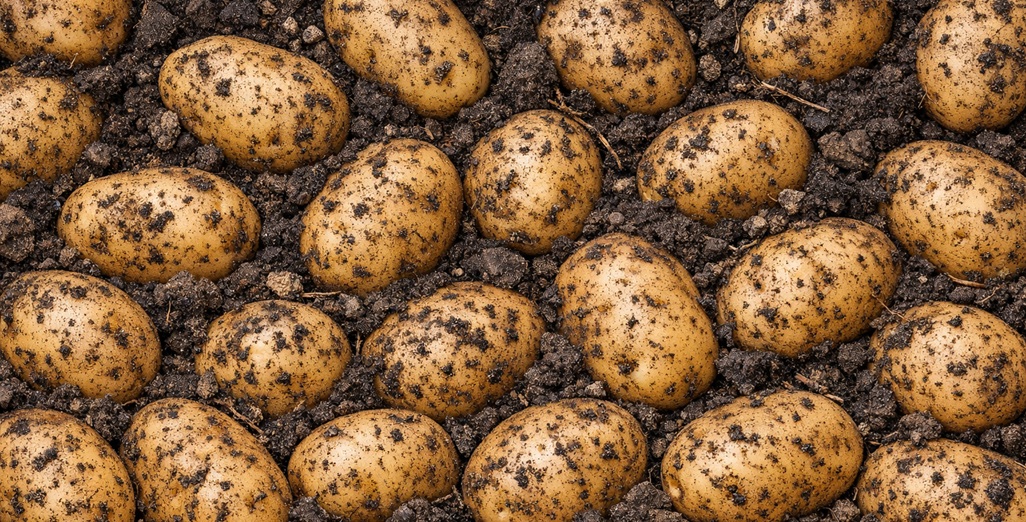
The Environmental Protection Authority (EPA) has approved a new fungicide seed treatment to control disease on potatoes.
The New Zealand potato industry is valued at approximately $1 billion annually, according to Potatoes New Zealand.

April 20, 2026
Signify wins HortiContact Innovation Award for Philips intelligent horticulture lighting solutions
“We are incredibly proud of this recognition”
April 7, 2026
Proposed import requirements for fresh blueberries (Vaccinium spp.) for human consumption
Make your submission
March 23, 2026
The Environmental Protection Authority (EPA) maintained the upward trend for hazardous substances decisions in the second quarter of the 2025-26 year.
Dr Lauren Fleury, Manager Hazardous Substances Applications, says the EPA continues to use rapid assessment pathways where possible. Of the 16 approved applications in the second quarter, 13 were decided by rapid assessment.

March 23, 2026
Source Advances Harvest Forecasting for Tomatoes with Next Generation AI Model
Fundamental changes to how the model learns and handles grower input mean significantly less manual work and meaningfully better accuracy.
March 10, 2026
Australia’s horticulture sector has delivered a year of record‑breaking performance
Highest production value to date of $18.4 billion, up 6% on the previous year.
CLASSIFIED