

Sign up here to subscribe to the Grower2grower Ezine. Every two weeks you will receive new articles, specific to the protected cropping industry, informing you of industry news and events straight to your inbox.
19
Jul 2021
Jul 2021
Noticeably less Courgettes Than Last Season
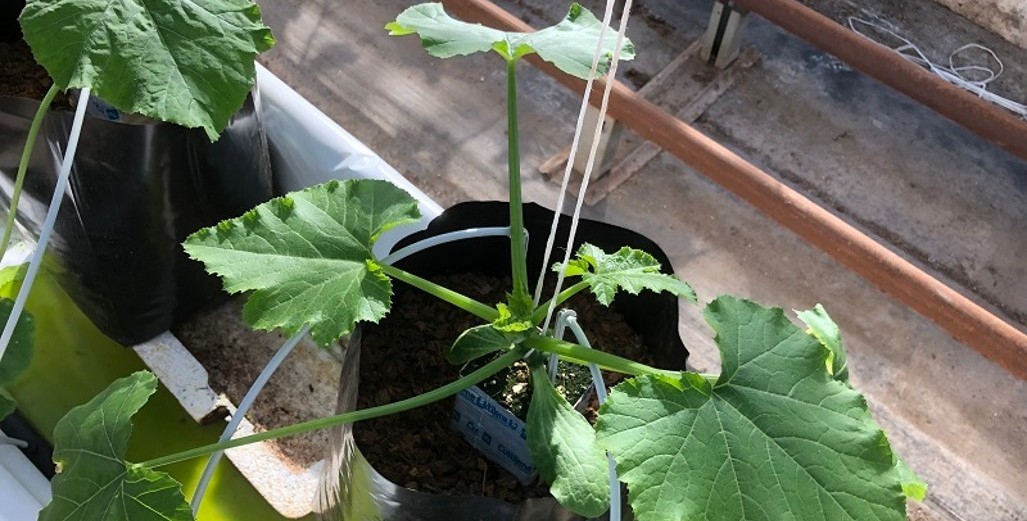
Tomato crops looked healthy
From my general observations this time last year there were a lot more courgettes in greenhouses than I had seen in years. This season it seems to be totally different. There is still a substantial number of courgettes at different growth stages. Some crops are already picking, and some have only recently been planted. Courgettes are a very versatile crop to grow that require very little maintenance. This appeals to smaller growers or those that are struggling to find enough staff.
The labour issue has become that dire that it is necessary for smaller growers to grow products that don’t require them to employ staff as they simply cannot afford to. This smaller business may as well plant fewer intensive crops or do the extra work themselves. If it were easy to pass the cost on to the consumer – they would be, so they have adapted. If consumers are not willing to pay for the more expensive greenhouse products, at this time of the year, they will just alter their diet for cheaper, long shelf-life products. However, there is enough demand that what is available is being purchased by those that are able to afford these products.
Last week I visited 16 tomato growers in one day with a representative from Tomatoes NZ. This was part of a collective effort to inform growers of the importance of hygiene due to the recent PepMV outbreak. We were wearing full PPE, changing and disposing at every property, spraying shoes and taking extreme caution not to be a vector of PepMV. We were fortunate to be invited to look at many of the crops. (On a side note, not one grower had signs of PepMV which was very encouraging) It was fantastic to see so many excellent crops. Most of the crops had heads out and were only going to be 8-9 months long crops. The quality of the fruit was simply outstanding. It was noticeable that the energy (heating) required to grow crops for a full cycle did not occur. In general, the vegetative nature at the beginning of the crops has meant most growers have a stem thickness of well over 20mm. There were many crops with yellow stems. As the crops were only ever planned to be 8-9 months in length the impact would be a lot less severe than if these were planned for 11–12-month crops.
In reflection, these growers all had similar planting dates which, in my opinion, was superb crop planning. The ultimate question in my mind was if the planning of their crops had been impacted by the covid disruptions and factors out of their control. There is no money to be made in the summer months so plant in January/February and finish in either October/November. It is smart if you can afford to grow for this period of time and it reduces the need for hiring any full-time employees on these smaller properties.
The impact from high energy prices and high labour costs have made it quite evident that the decision growers are making on crop planning is partly due to these factors. It was also evident that this summer no one will bother growing or competing with companies that have no choice to grow and supply year-round contracts.
Courgette growers that terminate their crops in September will probably grow a very short tomato crop from September to March without the need to heat. It is going back to the old days of double cropping or for some businesses just growing a 9-month crop and having 3 months relaxing in the summer sun.
Check out this interesting link to the price of Courgettes only 12 months ago. Soon after this was published prices towards the end of August, prices plummeted. So, with the short high’s comes the long periods of low prices. https://www.stats.govt.nz/news/courgette-shortage-sees-record-high-prices
.JPG)

Article written and compiled by Stefan Vogrincic
All Article’s checked and edited by Marie Vogrincic
I appreciate your comments. Please feel free to comment on the grower2grower Facebook page:
https://www.facebook.com/StefanGrower2grower/
CLASSIFIED












Subscribe to our E-Zine
More
From This Category
April 20, 2026
The Environmental Protection Authority (EPA) has approved a new fungicide seed treatment to control disease on potatoes.
The New Zealand potato industry is valued at approximately $1 billion annually, according to Potatoes New Zealand.
April 20, 2026
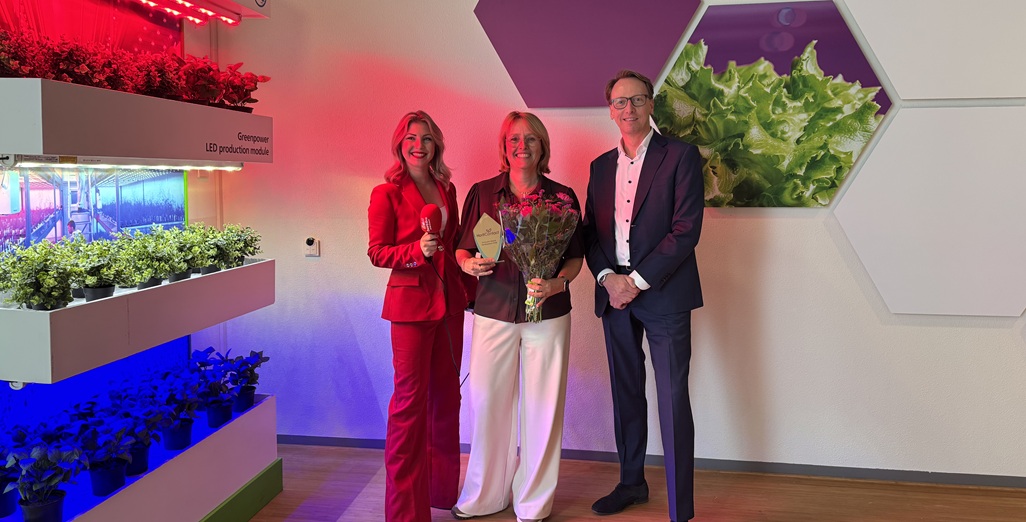
Signify wins HortiContact Innovation Award for Philips intelligent horticulture lighting solutions
“We are incredibly proud of this recognition”
April 7, 2026
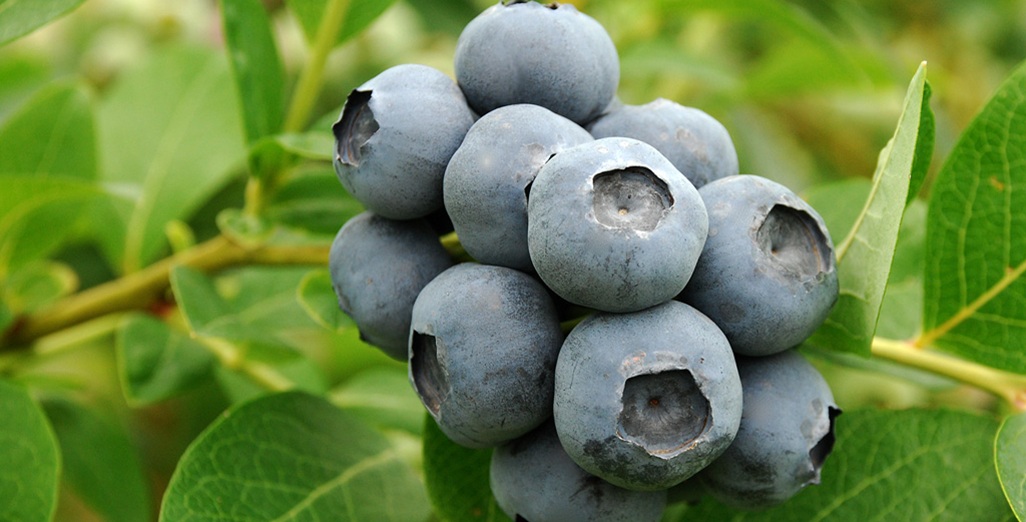
Proposed import requirements for fresh blueberries (Vaccinium spp.) for human consumption
Make your submission
March 23, 2026
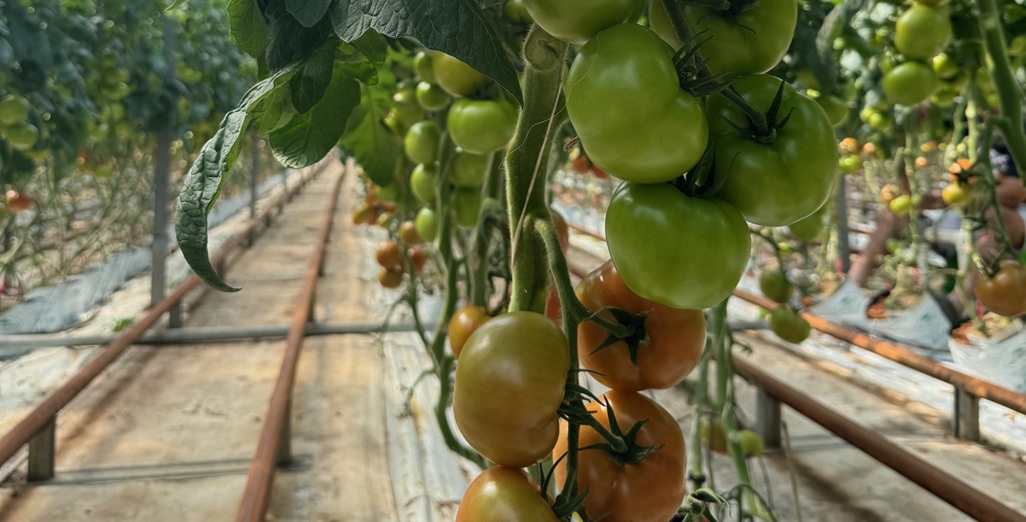
The Environmental Protection Authority (EPA) maintained the upward trend for hazardous substances decisions in the second quarter of the 2025-26 year.
Dr Lauren Fleury, Manager Hazardous Substances Applications, says the EPA continues to use rapid assessment pathways where possible. Of the 16 approved applications in the second quarter, 13 were decided by rapid assessment.

March 23, 2026
Source Advances Harvest Forecasting for Tomatoes with Next Generation AI Model
Fundamental changes to how the model learns and handles grower input mean significantly less manual work and meaningfully better accuracy.
March 10, 2026
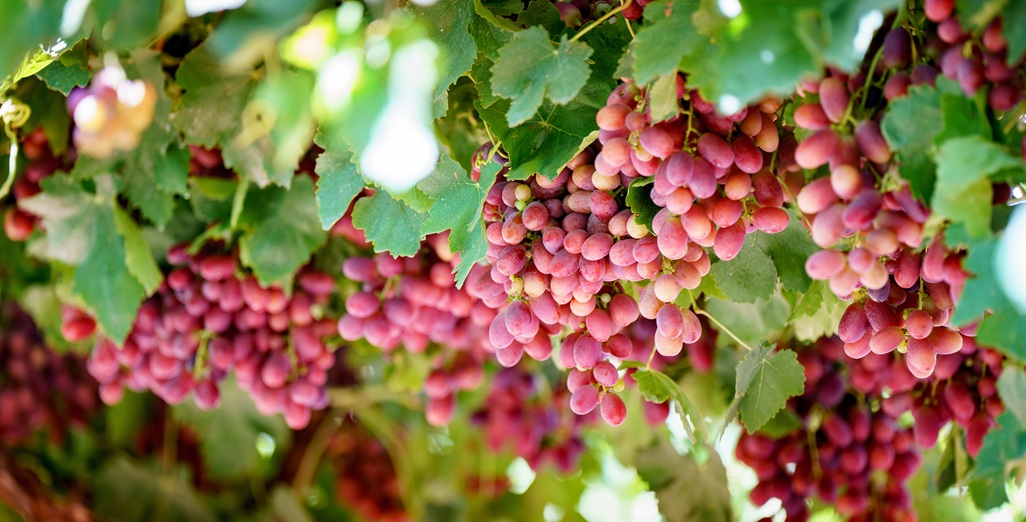
Australia’s horticulture sector has delivered a year of record‑breaking performance
Highest production value to date of $18.4 billion, up 6% on the previous year.
CLASSIFIED