

Sign up here to subscribe to the Grower2grower Ezine. Every two weeks you will receive new articles, specific to the protected cropping industry, informing you of industry news and events straight to your inbox.
19
Jul 2021
Jul 2021
Sufficient Heating and good weather provide a strong start
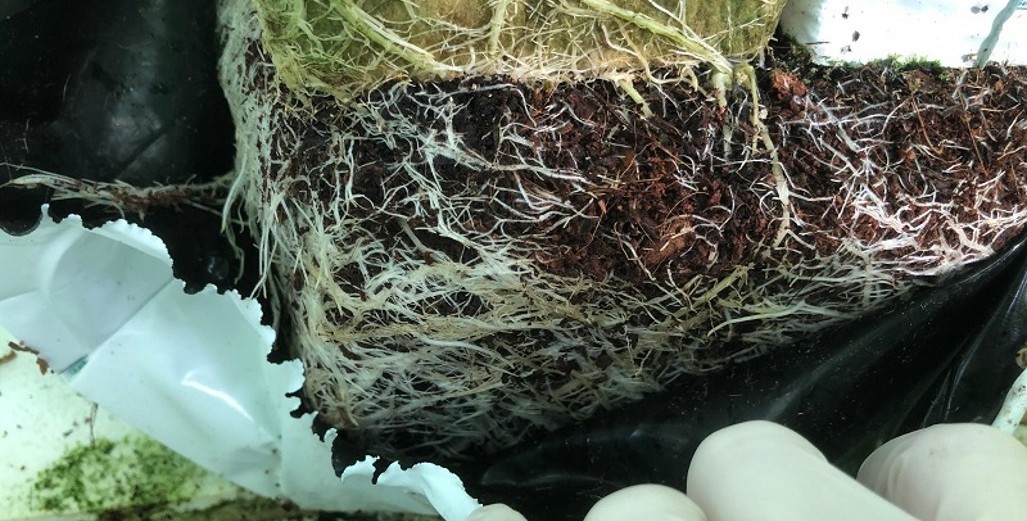
Cucumber roots simply superb
These last few weeks have been quite extraordinary. I simply cannot remember this many frosts and clear beautiful July days before. We have been very protected from the awful storms that have caused so much damage on the West Coast.
I visited a cucumber crop that was planted three weeks previous. I was immediately impressed with how strong the crop looked. The colour of the plant and flower was ideal. The leaf size and stem are well balanced. It was extremally pleasing to see such a strong start to a crop that is planned to have its first harvest at the beginning of August. Certainly, the beautiful clear winter days have been important but there are other factors.
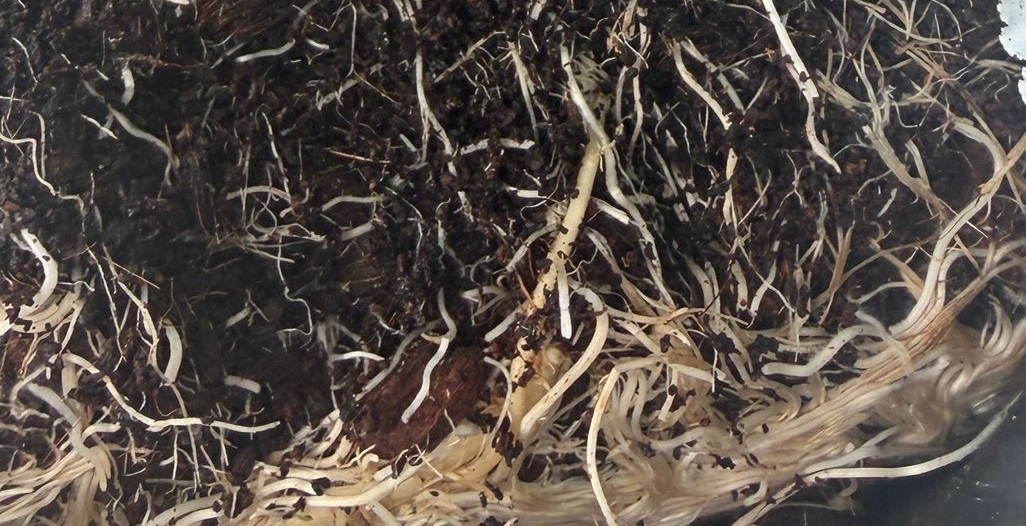
The heating has been excellent and from this basis everything else falls into place. The root structure of the plants was so good that I decided to write this article. It is not often I see coir products with roots covering the entire bag. The crop is being grown on the same media for the second time. It was very noticeable the spread of the roots from the top down. The root distribution was well balanced over the entire bag which is simply superb after such a short time.

I checked many bags, all of which had fantastic root structure.
Coir can be, if properly sized and layered, a superb substrate for growers. What has always been inconsistent is how to use all of the volume you are supplied. Open bags or dry chips on top of the slab make it very hard to retain any moisture at the top of the substrate which generally leads to a larger cone effect. In this case there simply is no cone effect but a good spread of roots I usually associate with stone wool media.
What you have to be careful with is how you irrigate a bag with a previous crops root system and a substrate with more fines at the top of the bag compared to bags with larger chip sizes – it is actually quite easy – you irrigate less. Increase or decrease your irrigation frequency based on your EC settings or grow scales. With coir it is hard to measure internal water content so scales are a great way to make real time decisions for this product.

The crop will soon require more water based on the fruit swelling but constant and daily checking will be indicated when this is required. It is not rocket science and for smaller growers with less bells and whistles achieving the right balance is achievable. It also forces growers to be in their crops checking with both their hand-held meters but also with their eyes.
With spring on the horizon, it is very important, as it should be all of the time, to maintain good root health. Be careful not to over water yet as we still have 6 weeks of the winter left but keep it in mind to start ramping up the frequency or altering start and stop times for your irrigation when necessary.


Cover photo of impressive new root growth in the depth of winter
Article written and compiled by Stefan Vogrincic
All Article’s checked and edited by Marie Vogrincic
I appreciate your comments. Please feel free to comment on the grower2grower Facebook page:
https://www.facebook.com/StefanGrower2grower/
CLASSIFIED











Subscribe to our E-Zine
More
From This Category
April 20, 2026
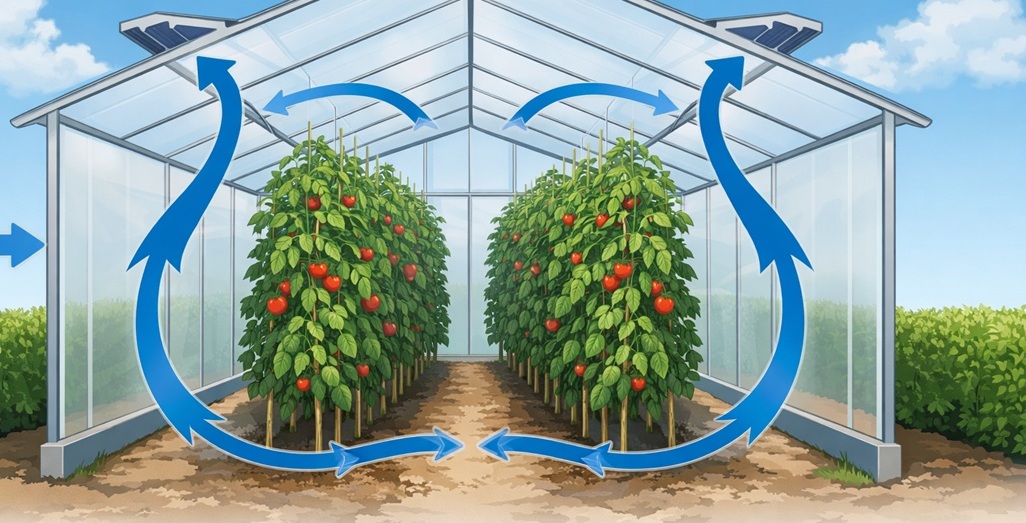
Autumn Challenges: Managing Humidity, Energy Constraints and Crop Balance
A Perfect Storm for Crop Performance
April 7, 2026
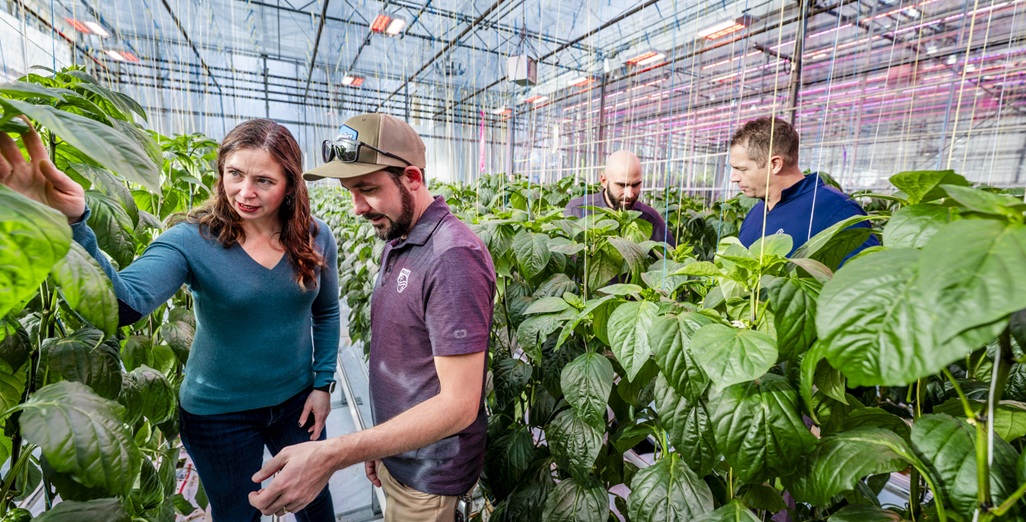
Signify and University of British Columbia collaborate to further explore feasibility of sustainable year-round greenhouse pepper production
Trial paves the way for growers to capitalize on the market opportunity to provide locally grown bell peppers during the winter months.
April 7, 2026
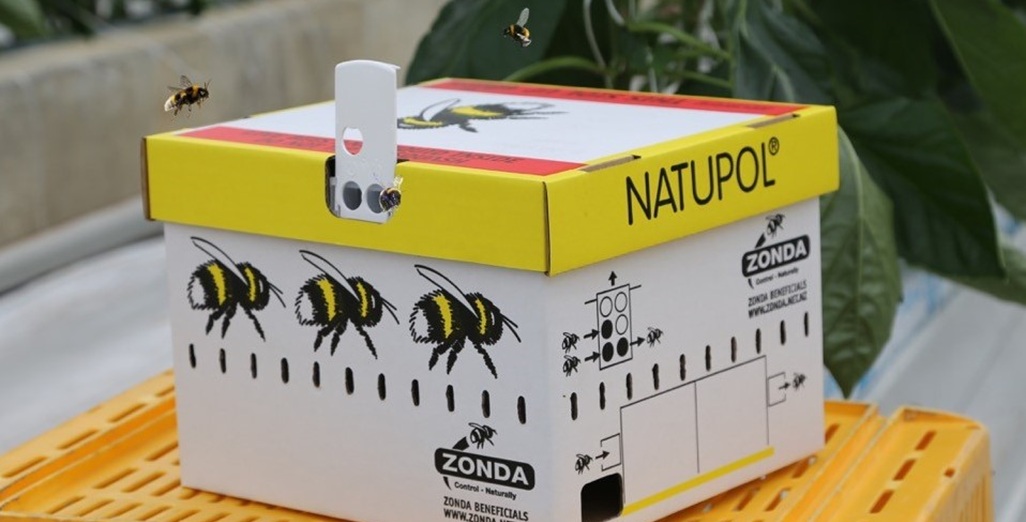
Think It’s the Bees? Think Again
Proven Hive Performance Suggests Auckland’s Climate and Crop Conditions Are the Key Limiters. Every year, Zonda receives calls from growers saying “the bees aren’t working” and requesting new hives. While hives are sometimes replaced, these cases consistently show that the bumblebees are performing as expected. The real challenge? Humidity, Auckland weather, and plant conditions.
March 23, 2026
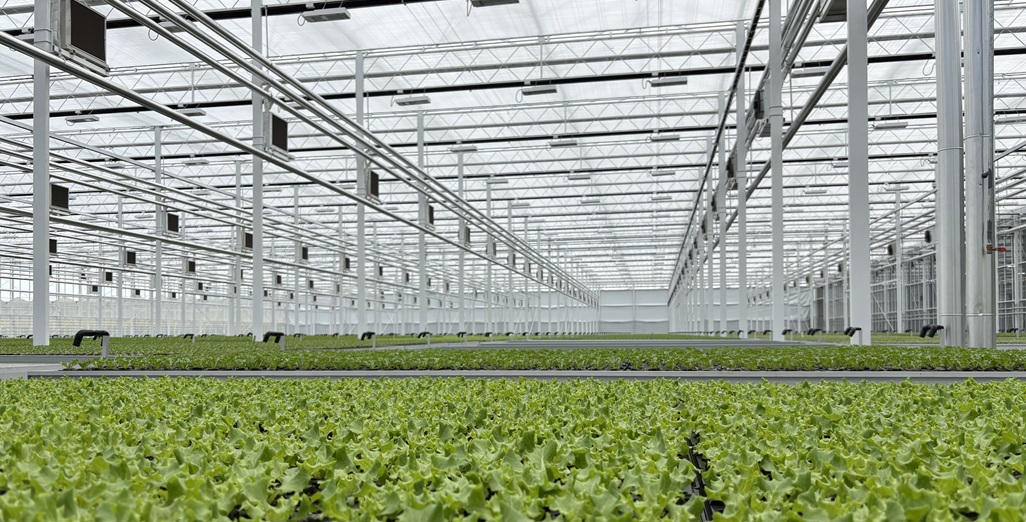
Plant-optimized spectrum to maximize photosynthetic efficiency and productivity:
27% higher yield and 40% energy savings in tomato greenhouse drive Woodeumgee Farm to repeat investment in Philips horticulture LED solution
March 10, 2026
Where Does Fusarium Sit on Your Priority List?
When discussing crop health during technical strategy meetings, Fusarium often does not sit particularly high on the list of priorities.
February 23, 2026
A proven opportunity in strawberry cultivation with indoor-grown generative young plants
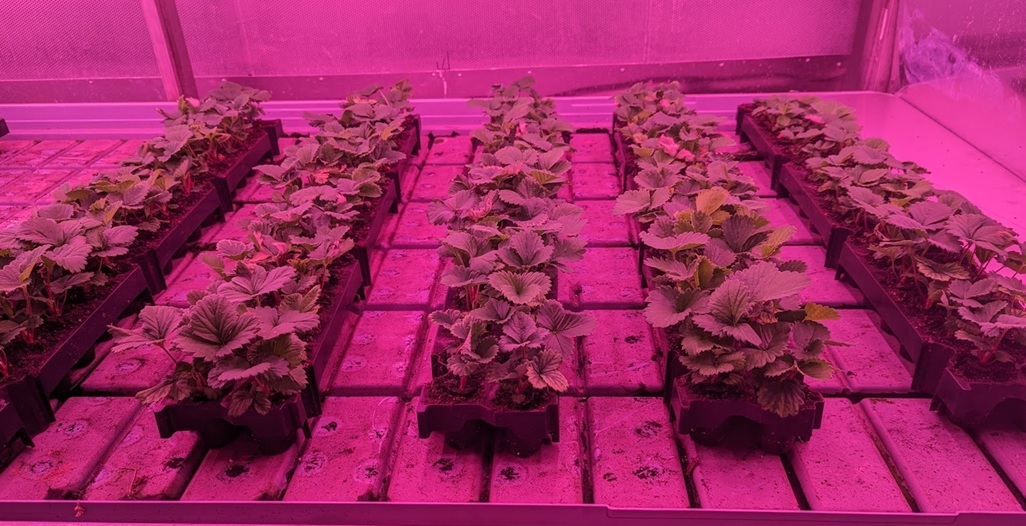
Indoor strawberry young-plant production is moving from a promising concept to a proven opportunity. Recent trials with F1 hybrid varieties grown from seed in fully controlled facilities have shown faster development of young plants, a roughly 40% higher fruit yield in the greenhouse, harvesting two weeks earlier, and a clean, chemical-free starting point.
CLASSIFIED