
Sign up here to subscribe to the Grower2grower Ezine. Every two weeks you will receive new articles, specific to the protected cropping industry, informing you of industry news and events straight to your inbox.
2
Aug 2021
Aug 2021
HortNZ Conference
Greenhouse hygiene practices and bio-security (irrigation)
On Thursday I will be part of a panel discussion around greenhouse hygiene in the light of the recent Pepino Mosaic Virus outbreak in the greenhouse tomato industry. (See news/post/greenhouse-hygiene-practices-/ ) I will concentrate my brief time running through some key points for irrigation systems. For growers not attending I will be highlighting the difference between disinfection during a crop cycle and then cleaning the irrigation system between crop rotation.
Protocols for disinfection and cleaning between crop rotation is treated differently by nearly every grower – there is no blueprint, but there are some good ideas to share and then it is up to the grower to decide the best direction for their operation.
If you are interested in coming along to listen to this panel discussion, it will be held in Breakout Room 2 at 10.30am on Thursday the 5th of August, Mystery Creek, Hamiltion (please register first https://conferences.co.nz/hortnz2021/register/) .
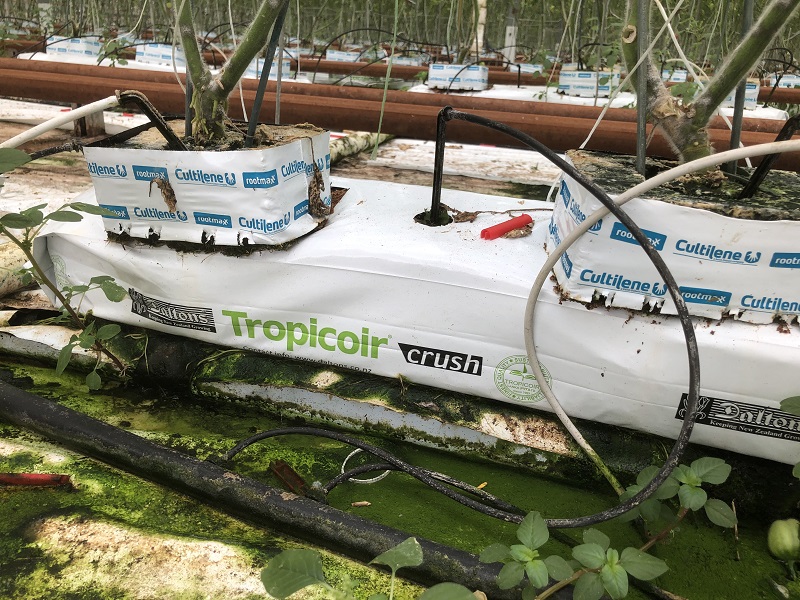
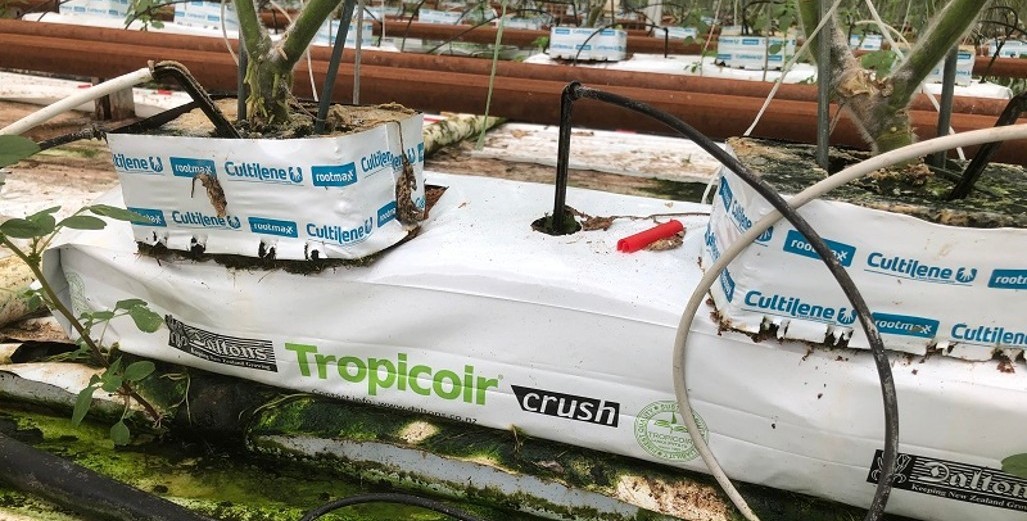
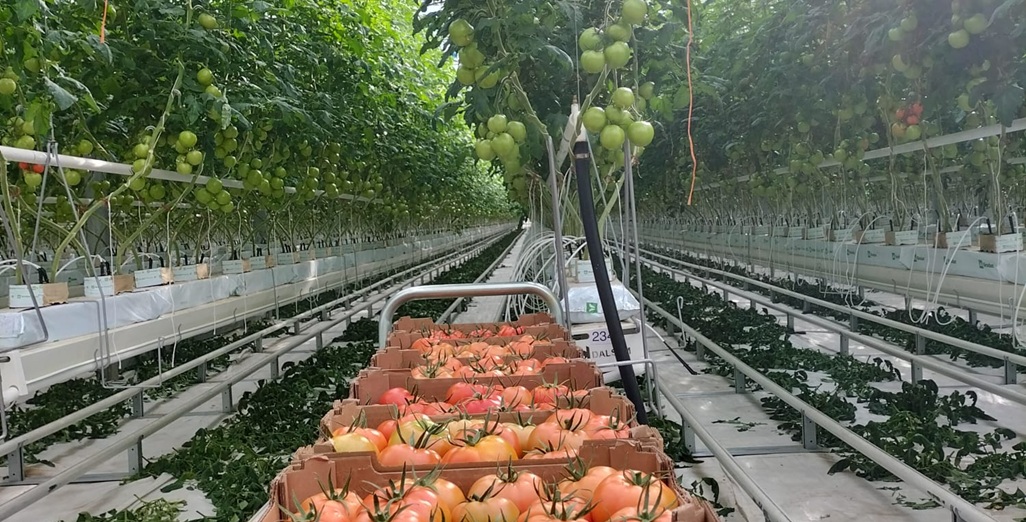
The above photo is an illustration of a crop halfway through its rotation – during the time of growing algae build up on the drippers, top of the substrates and in the puddles in the ground is almost unavoidable – this is one reason why it is important during a crop phase to consider using a product that can disinfect your irrigation water – although please be careful as disinfection products used on old irrigation systems may break up iron build ups or other bacteria that has lined the internal pipes which could in turn block up your irrigation system. It is very important if you choose disinfection during a crop phase you are confident your irrigation system is clean from the start – hence why the clean up of the system is critical.
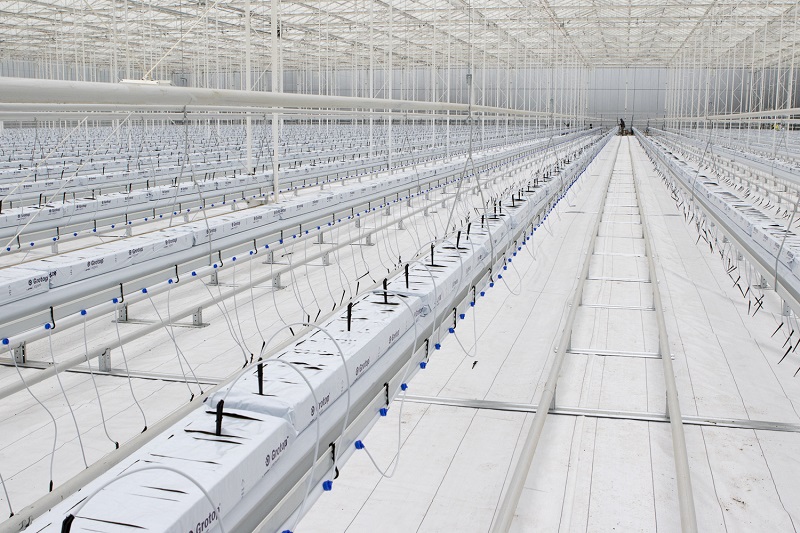
Above – Utopia: A clean start before the new crop is planted is the ultimate goal. This includes the internal lines of the irrigation system especially if you have had PepMV or Bacterial Canker. You should consider removing all of your dripper lines and dipping into a large tank/container big enough to totally submerge each row into an appropriate product to 100% kill any virus and bacteria. You should consider using a product to clean the inside of the irrigation lines – you then can use products you would not use during the growing phase – extreme caution is required to make sure you consider the products you use and to take advice from your supplier about the recommended application. Well maintained and clean irrigation systems should provide many years of accurate delivery.
A reminder why hygiene is so important:
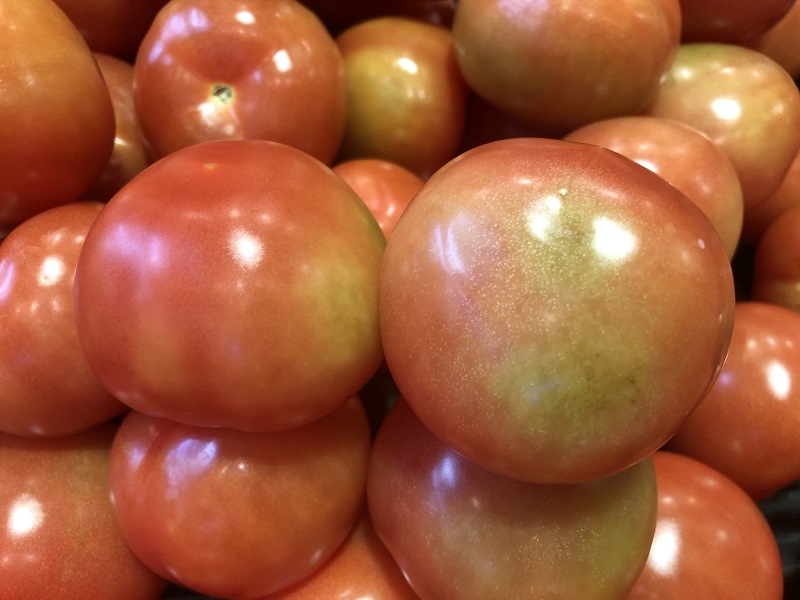
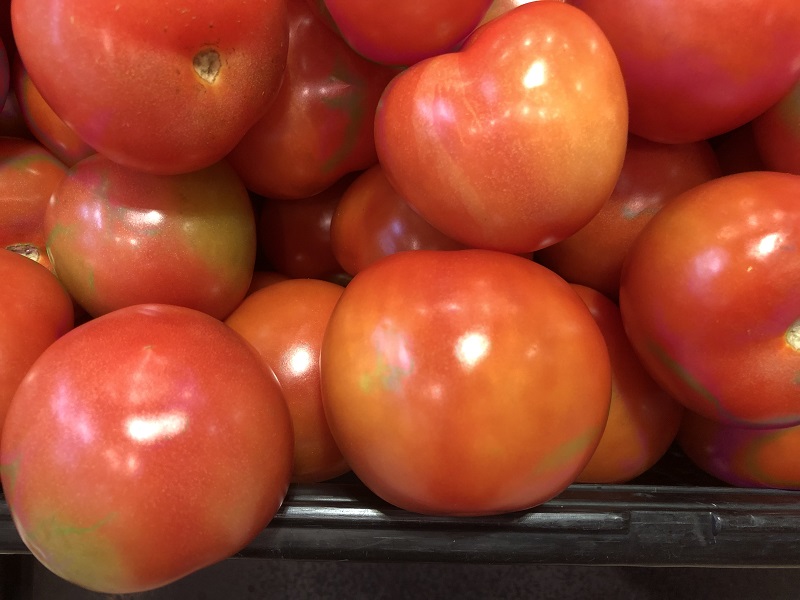
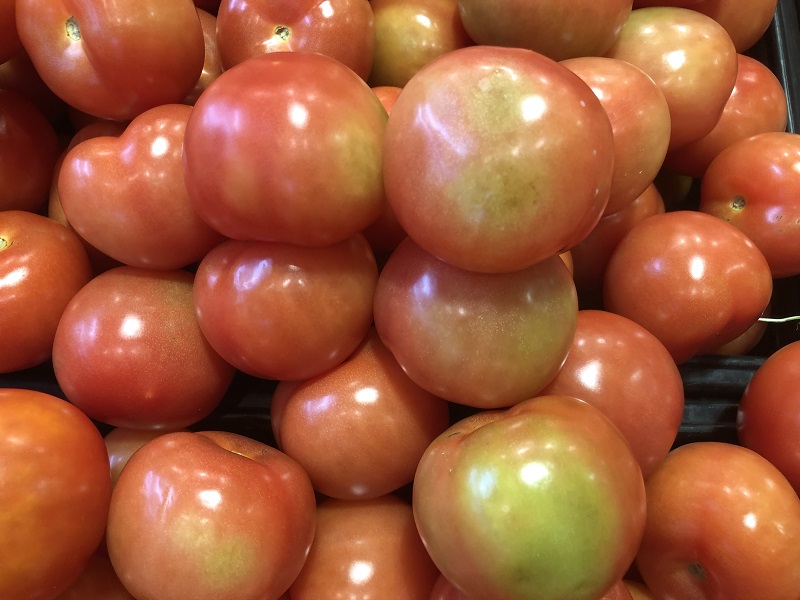
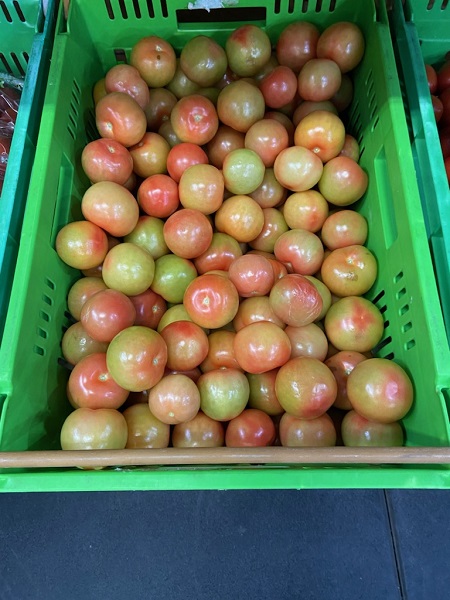
This weekend while shopping at my local supermarket I took the below photos. The fruit on display I suspect was infected with the PemMV virus. As it is uncertain if growing into increased light levels will reduce or increase the visual effects of the fruit, it is yet another reason to take every precaution to prevent the virus from entering your property. If you do unfortunately get the virus then cleaning your greenhouse is very important.

Article written and compiled by Stefan Vogrincic
All Article’s checked and edited by Marie Vogrincic
I appreciate your comments. Please feel free to comment on the grower2grower Facebook page:
https://www.facebook.com/StefanGrower2grower/
CLASSIFIED








Subscribe to our E-Zine
More
From This Category
April 20, 2026
IFPA Produce Executive Program returning to Auckland
Week-long fully residential program environment facilitates deep level collaboration, learning and engagement
April 20, 2026
Delphy Academy Training – Fertigation in Horticulture
In this online training (English spoken) you will learn about the chemical aspects of nutrients and fertigation, how to read an analysis, and how to make adjustments to the fertilizer recipe. Calculation of your own A and B tank filling from a recipe. The uptake of water and nutrients by the plant and the relationship with pH and EC.
April 7, 2026
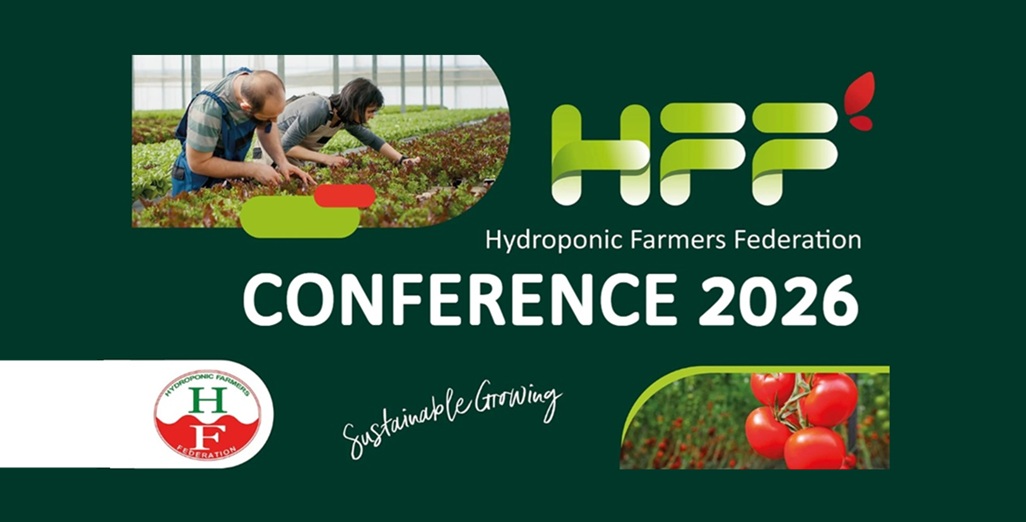
The 2026 Hydroponic Farmers Federation Conference (Melbourne) Update
Fast approaching event: Final reminder to register for this important event.
March 23, 2026
Bringing the Sector Together: Covered Cropping NZ Launches
Greater collaboration, stronger representation, and better use of levy funding sit behind the new joint approach from Tomatoes New Zealand and Vegetables New Zealand Incorporated. There has been a call, for several years, that TNZ and VNZI should work together more closely as there are so many similarities amongst the greenhouse sector, including the growers themselves.
March 23, 2026
Energy Under Pressure: Growers Invited to Pukekohe Open Day
Join Tomatoes New Zealand and Vegetables New Zealand on 14 May for site visits and supplier discussions showcasing real-world energy solutions, cost savings, and practical pathways for the season ahead.
March 10, 2026
The 2026 Hydroponic Farmers Federation Conference (Melbourne)
2026 program has been carefully designed to address the key issues currently facing hydroponic growers
CLASSIFIED