

Sign up here to subscribe to the Grower2grower Ezine. Every two weeks you will receive new articles, specific to the protected cropping industry, informing you of industry news and events straight to your inbox.
23
Aug 2021
Aug 2021
Delta, lock-down frustration
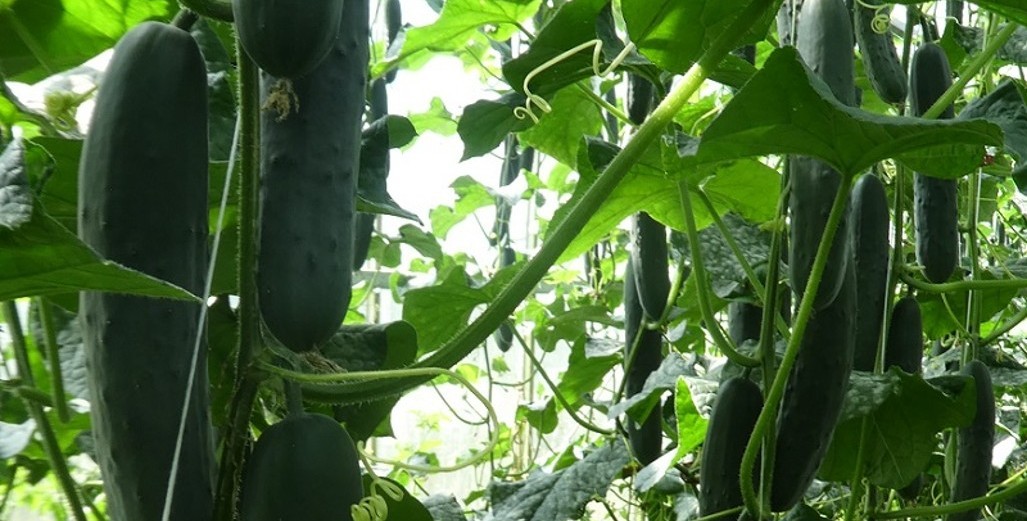
More questions than answers
Nearly 18 months on from the last level 4 lockdown, we find ourselves back in the same situation. Unfortunately, it appears with this Level 4 lockdown the rules of the game have changed, due to the Delta variant and the increased transmissibility of the virus.
The Auckland region will be at a higher alert level moving forward, for goodness knows how long. Greenhouse growers are essential services and will continue as normal with strict protocols. There have been questions regarding who is able to apply for travel exceptions in and out of regions with different alert levels. How will this impact the movement of fresh vegetables and contractors/suppliers?
Fresh Vegetables:
Auckland is to stay in level 4, and when it eventually moves to level 3, for much longer periods than other regions. When the borders are restricted with checkpoints back in place, this will increase time and protocols on the movement of fresh veg in and out of Auckland region. The wheel of distribution needs to run as smoothly as possible to ensure fresh veg can reach every community. How goods can be moved, without the risk of potentially transmitting Delta between regions, must be of great concern and a logistical obstacle.
Goods movement:
Another essential service for the greenhouse industry is the need to move goods, such as fertiliser and seedlings from propagation nurseries, between regions. These are also essential services that must be maintained.
Suppliers/Contractor Movement required for different regions:
This leads to the question what contract services are deemed essential for greenhouses? Are boiler repairers, greenhouse irrigation specialists and environmental computer specialists all regarded as essential workers? If the answer is yes, will these essential contractors be granted exception to travel into and out of regions at different alert levels? I am sure most work can be carried out remotely but, in an emergency, it would be good to have assurance some specialists can be on site at very short notice.
Stay safe and let’s hope we can eliminate the virus once again so we can all get back to some form of normality, if there is such a thing! Hopefully in the next edition I can write about the answers and not have so many questions!

Groundhog Day!!
Article written and compiled by Stefan Vogrincic
All Article’s checked and edited by Marie Vogrincic
I appreciate your comments. Please feel free to comment on the grower2grower Facebook page:
https://www.facebook.com/StefanGrower2grower/
CLASSIFIED











Subscribe to our E-Zine
More
From This Category

April 20, 2026
The Environmental Protection Authority (EPA) has approved a new fungicide seed treatment to control disease on potatoes.
The New Zealand potato industry is valued at approximately $1 billion annually, according to Potatoes New Zealand.
April 20, 2026
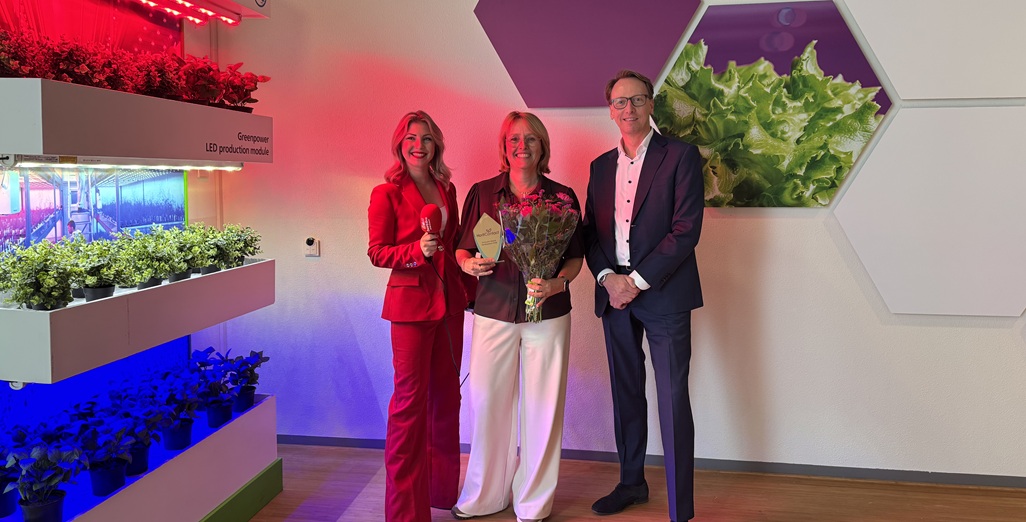
Signify wins HortiContact Innovation Award for Philips intelligent horticulture lighting solutions
“We are incredibly proud of this recognition”
April 7, 2026
Proposed import requirements for fresh blueberries (Vaccinium spp.) for human consumption
Make your submission
March 23, 2026
The Environmental Protection Authority (EPA) maintained the upward trend for hazardous substances decisions in the second quarter of the 2025-26 year.
Dr Lauren Fleury, Manager Hazardous Substances Applications, says the EPA continues to use rapid assessment pathways where possible. Of the 16 approved applications in the second quarter, 13 were decided by rapid assessment.
March 23, 2026
Source Advances Harvest Forecasting for Tomatoes with Next Generation AI Model
Fundamental changes to how the model learns and handles grower input mean significantly less manual work and meaningfully better accuracy.
March 10, 2026
Australia’s horticulture sector has delivered a year of record‑breaking performance
Highest production value to date of $18.4 billion, up 6% on the previous year.
CLASSIFIED