

Sign up here to subscribe to the Grower2grower Ezine. Every two weeks you will receive new articles, specific to the protected cropping industry, informing you of industry news and events straight to your inbox.
12
Oct 2021
Oct 2021
Too Much Vigour?
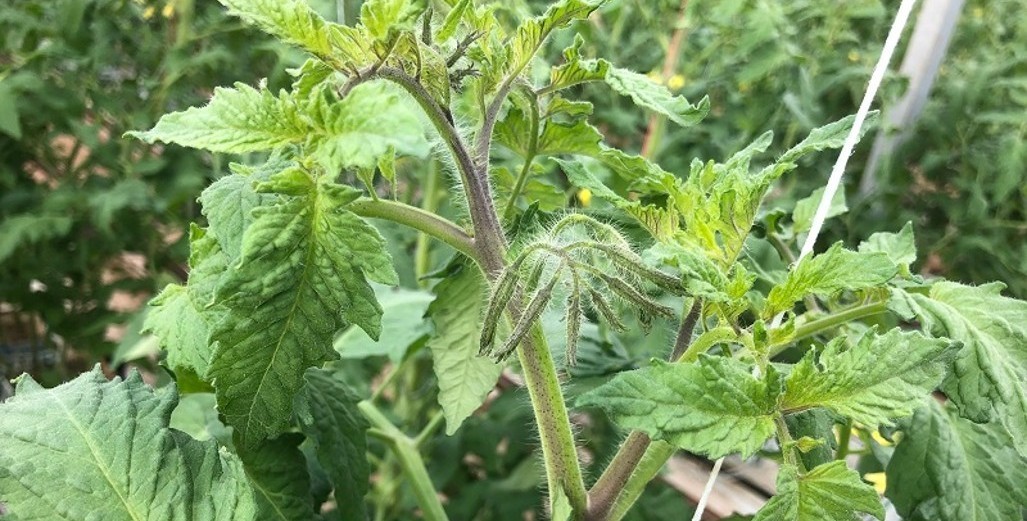
Some tips for growing a young tomato crop in October and November
Many years ago, I planted a tomato crop during early November, at the time thinking how easy it was going to be – it was the total opposite. It was the single hardest crop I ever grew. Traditionally I planted around the shortest day and very much underestimated the value of light on a young crop – I have learnt a lot since then and now have many more tools in my toolbox, but at the time I struggled.
October-November is almost the perfect time to grow with increasing light levels and good natural temperatures. The issue I had was controlling the balance of the plant. I grappled to control the rapid and strong vegetative growth, I used temperature and irrigation manipulation, to what I thought was appropriate, but in hindsight I could’ve pushed the plant a lot harder.
Heating a greenhouse in October-November sufficiently, for a new crop, is a really hard thing to do as you know when the produce is first harvested it will not cover the costs of heating – but you also know if you don’t heat during this period the plant could go vegetative, causing huge issues with plant health from May onwards. In contrast if you decided to strangle the water application to the plants you could also cause irreversible root damage- so the balance is tricky to get your head around heating and irrigating appropriately to keep your plant in balance but also not cause long term issues.
During a recent visit to a newly planted tomato crop, it was apparent that changing direction could occur daily. From one day to the next the plant can build up huge energy levels, if too much water and not enough temperature are achieved then overnight a vegetative (fat stem) will transform a young crop. It is important, during this critical stage, to record the growth of the plants more than once a week or until a decent sink (example, fourth or fifth truss is set), you must be able to either decrease the water, without causing root damage, or increase the temperature to keep the plant in balance. Removal of the leaf panels is also crucial to control the balance in this period.
If you are intending on growing a long crop, planted during October or November, then the first two meters of the stem is critical for plant longevity. For the crop I visited it was not of high significance as the crop has been planned as a short crop, however, it is still advantageous to grow this plant as balanced as possible to get those extra trusses set. In this particular scenario I would use the sun to increase 24-hour temperature, especially if the heat source is not an option.

Unlike the winter when young plants grow slower, due to low light, you have time to make adjustments. With new crops planted in high light, from December onwards, I find it much easier to control the plant as the natural temperature and light allows you to build a fruit load quickly. The root systems will be much younger heading into the autumn/winter so you may be inclined to be more aggressive than in the spring. (Note – For glasshouses, I advise a shade coating be applied for crops planted in December-February until the third or fourth truss is set, then remove the coating).
So even though it may seem a walk in the park, planting a commercial crop during October and November is tricky and I will always draw on experience and previous errors to keep me on my toes.
Article written and compiled by Stefan Vogrincic
All Article’s checked and edited by Marie Vogrincic
I appreciate your comments. Please feel free to comment on the grower2grower Facebook page:
https://www.facebook.com/StefanGrower2grower/
CLASSIFIED











Subscribe to our E-Zine
More
From This Category
April 20, 2026
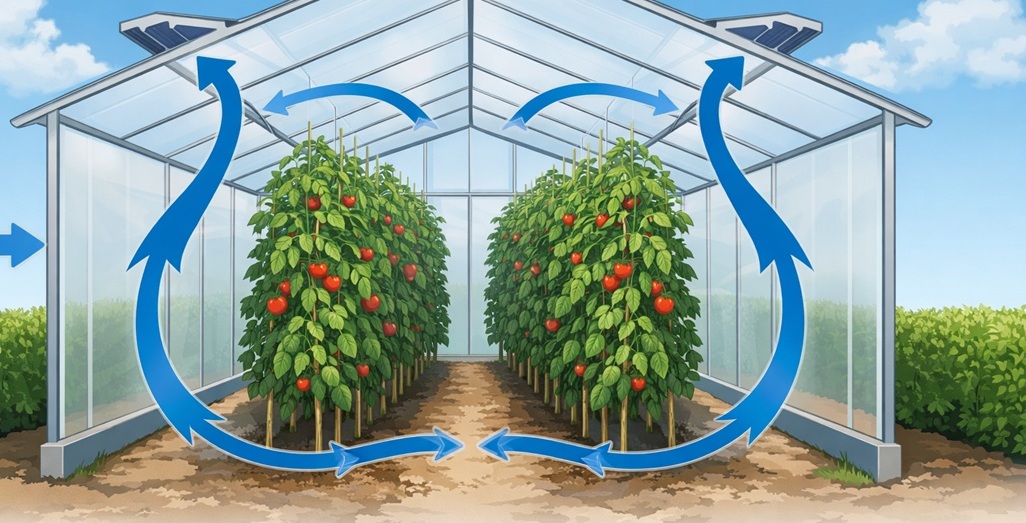
Autumn Challenges: Managing Humidity, Energy Constraints and Crop Balance
A Perfect Storm for Crop Performance
April 7, 2026
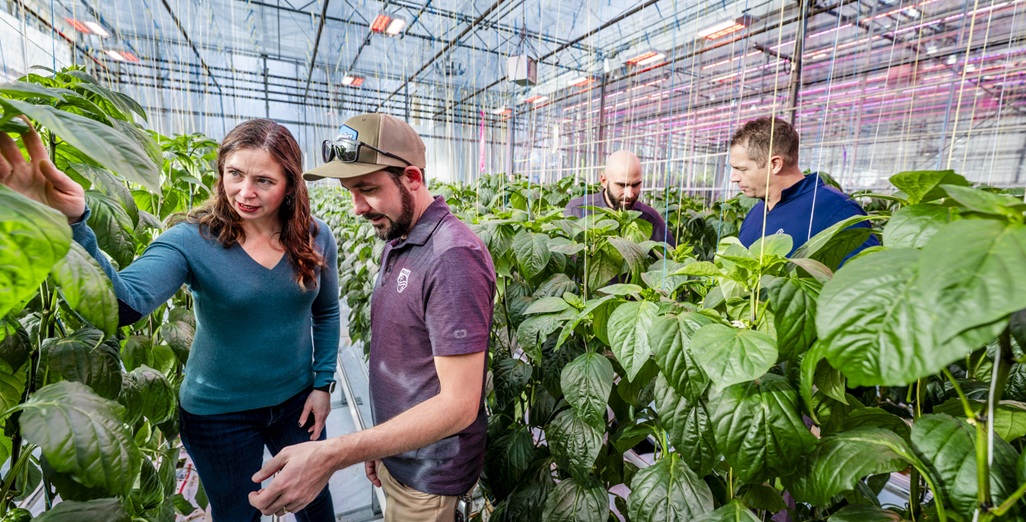
Signify and University of British Columbia collaborate to further explore feasibility of sustainable year-round greenhouse pepper production
Trial paves the way for growers to capitalize on the market opportunity to provide locally grown bell peppers during the winter months.
April 7, 2026
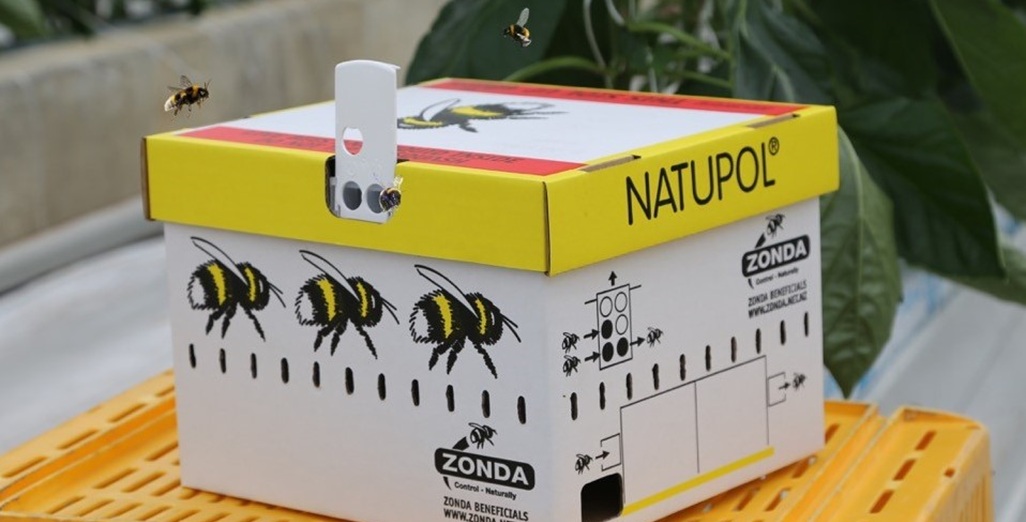
Think It’s the Bees? Think Again
Proven Hive Performance Suggests Auckland’s Climate and Crop Conditions Are the Key Limiters. Every year, Zonda receives calls from growers saying “the bees aren’t working” and requesting new hives. While hives are sometimes replaced, these cases consistently show that the bumblebees are performing as expected. The real challenge? Humidity, Auckland weather, and plant conditions.
March 23, 2026
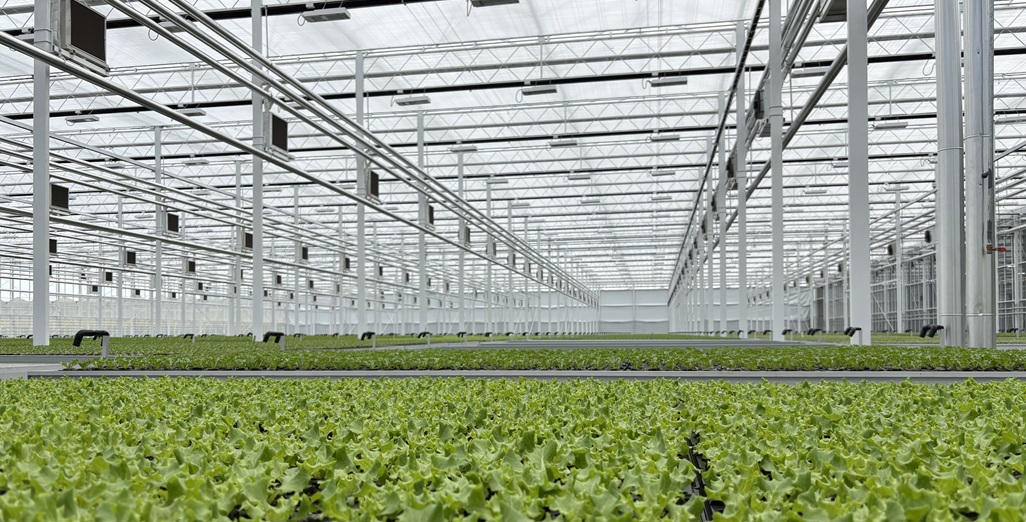
Plant-optimized spectrum to maximize photosynthetic efficiency and productivity:
27% higher yield and 40% energy savings in tomato greenhouse drive Woodeumgee Farm to repeat investment in Philips horticulture LED solution
March 10, 2026
Where Does Fusarium Sit on Your Priority List?
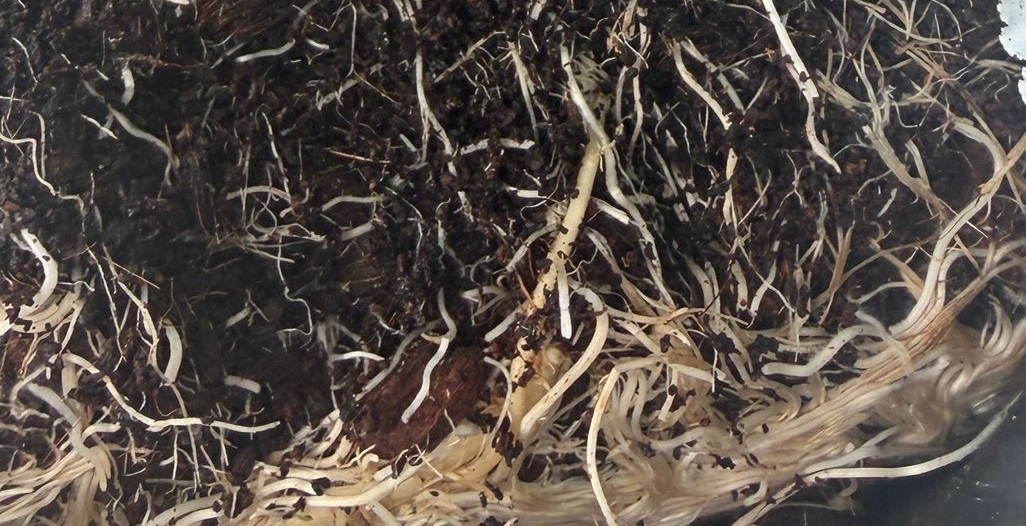
When discussing crop health during technical strategy meetings, Fusarium often does not sit particularly high on the list of priorities.
February 23, 2026
A proven opportunity in strawberry cultivation with indoor-grown generative young plants
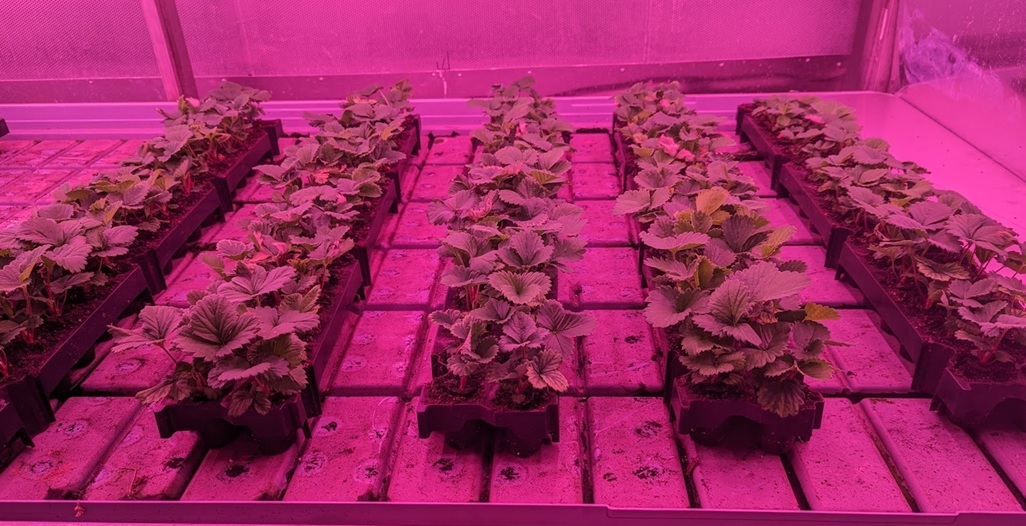
Indoor strawberry young-plant production is moving from a promising concept to a proven opportunity. Recent trials with F1 hybrid varieties grown from seed in fully controlled facilities have shown faster development of young plants, a roughly 40% higher fruit yield in the greenhouse, harvesting two weeks earlier, and a clean, chemical-free starting point.
CLASSIFIED