
Sign up here to subscribe to the Grower2grower Ezine. Every two weeks you will receive new articles, specific to the protected cropping industry, informing you of industry news and events straight to your inbox.
9
Nov 2021
Nov 2021
Leaf Area Index

Providing natural protection
Leaf Area Index (LAI) is a crucial tool for greenhouse growers, despite maybe not knowing it. Now we are officially heading towards the end of spring and the beginning of summer the weather is rapidly changing with increased light levels and temperatures rising. You only have to look at how much the lawns grow each week.
Many growers understand that if they increase stem density, they will increase production and with all the extra light we know the plant can handle a raised fruit load per m2. Some growers do not take the extra stems due to labour constraints or they may not see the benefits. The additional leaf panels created by increasing stem density has major benefits.
- Plants use all the available light to maximise productivity
- They provide more natural environmental control
The second point is what I believe to be a huge benefit when increasing leaf area per m2. In my view the benefit is the extra natural shading and natural cooling functions. Basically, an increased number of leaves per m2 are crucial to increase required transpiration to maintain leaf temperature and reduce high humidity deficit. The greenhouse can handle more temperature as long as there is enough natural moisture around the plant to reduce plant stress. Growers that do not add additional stems are reliant on the plant remaining vegetative and to maintain leaf length. For growers that do not increase stem density and plants become stressed, you will notice the leaf length shortening and you will be forced to either reduce fruit numbers or take flag leaves from the lateral shoots. Other issues, such as Blossom End Rot, could also become a problem. There are options, such as diffusing products, which have huge benefits even for crops that have increased density but possibly have even more benefits for growers that do not increase stem density/LAI. (Redufuse)
The LAI increase during summer is going to help protect the head of the plant, which is critical. If stress can be minimised not only, will you increase productivity but the quality of the product will also be enhanced. This is very important, especially during summer, when greenhouse produce is historically abundant and any blemishes are punished by the market. This week’s changeable Auckland weather is the perfect example of how quality could be affected. The weather has been changing from cloudy, wet and windy to unbearably hot all within the same day. These ‘tricky’ periods are hard to deal with when growing greenhouse crops, if the greenhouse environment changes too much you could end up with skin quality issues and weaker plants that insects could cause increased damage on.
There are multiple benefits to increasing LAI for summer, it is extra work but necessary to naturally protect crops such as greenhouse vegetable crops.

Article written and compiled by Stefan Vogrincic
All Article’s checked and edited by Marie Vogrincic
I appreciate your comments. Please feel free to comment on the grower2grower Facebook page:
https://www.facebook.com/StefanGrower2grower/
CLASSIFIED







Subscribe to our E-Zine
More
From This Category
April 20, 2026
Autumn Challenges: Managing Humidity, Energy Constraints and Crop Balance
A Perfect Storm for Crop Performance
April 7, 2026
Signify and University of British Columbia collaborate to further explore feasibility of sustainable year-round greenhouse pepper production
Trial paves the way for growers to capitalize on the market opportunity to provide locally grown bell peppers during the winter months.
April 7, 2026
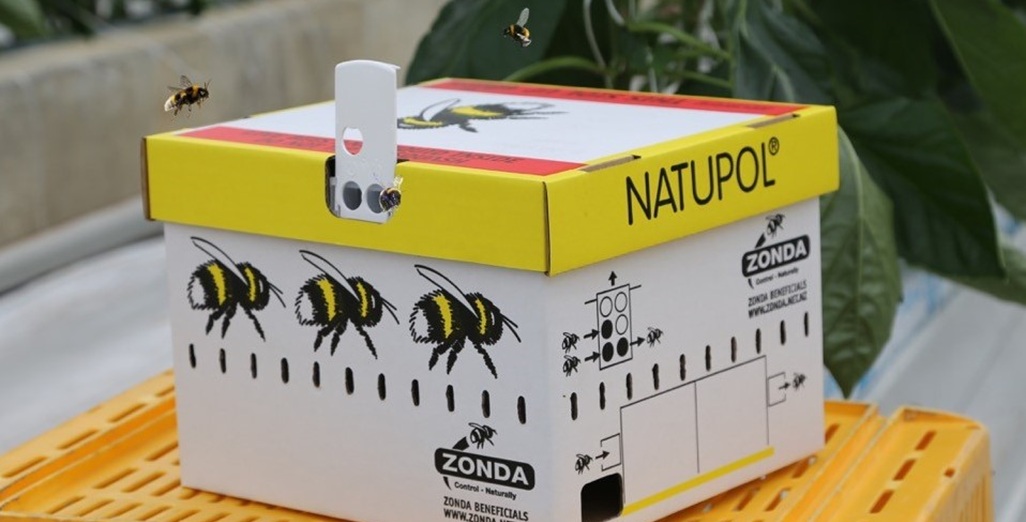
Think It’s the Bees? Think Again
Proven Hive Performance Suggests Auckland’s Climate and Crop Conditions Are the Key Limiters. Every year, Zonda receives calls from growers saying “the bees aren’t working” and requesting new hives. While hives are sometimes replaced, these cases consistently show that the bumblebees are performing as expected. The real challenge? Humidity, Auckland weather, and plant conditions.
March 23, 2026
Plant-optimized spectrum to maximize photosynthetic efficiency and productivity:
27% higher yield and 40% energy savings in tomato greenhouse drive Woodeumgee Farm to repeat investment in Philips horticulture LED solution
March 10, 2026
Where Does Fusarium Sit on Your Priority List?
When discussing crop health during technical strategy meetings, Fusarium often does not sit particularly high on the list of priorities.
February 23, 2026
A proven opportunity in strawberry cultivation with indoor-grown generative young plants
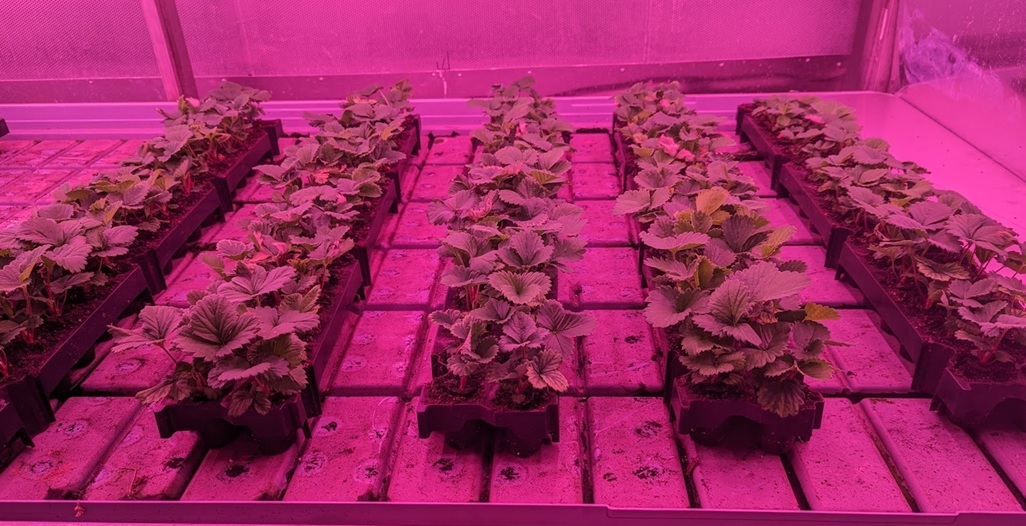
Indoor strawberry young-plant production is moving from a promising concept to a proven opportunity. Recent trials with F1 hybrid varieties grown from seed in fully controlled facilities have shown faster development of young plants, a roughly 40% higher fruit yield in the greenhouse, harvesting two weeks earlier, and a clean, chemical-free starting point.
CLASSIFIED