
Sign up here to subscribe to the Grower2grower Ezine. Every two weeks you will receive new articles, specific to the protected cropping industry, informing you of industry news and events straight to your inbox.
9
Nov 2021
Nov 2021
PepMV Update
Summer key
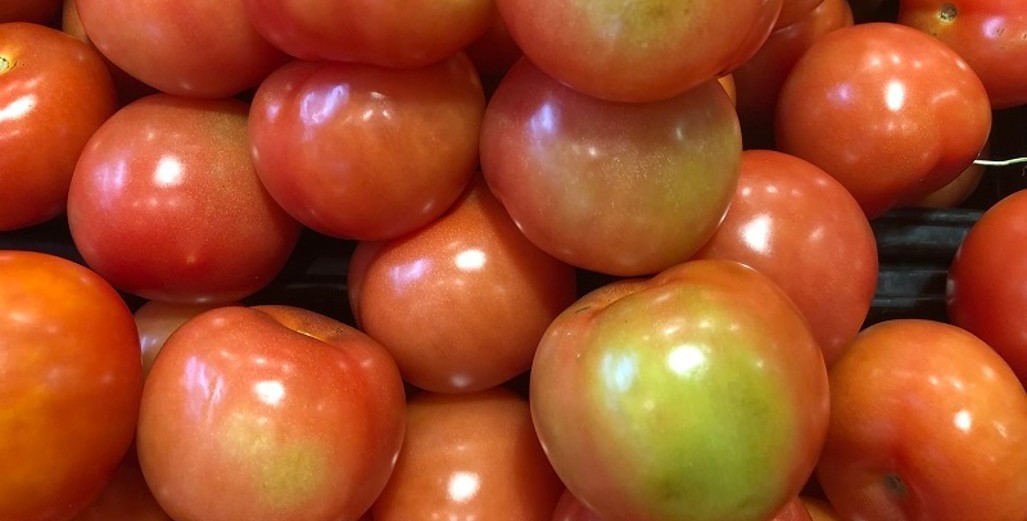
For tomato growers that have been infected with the Pepino Mosaic Virus (PepMV) the next three to four months will be a key period to observe the effects during high light levels and naturally increasing temperature. Recently I was fortunate to be part of a meeting with experienced growers and virus experts in England, I was interested to learn how different factors, such as age and variety of crop, will affect production and fruit quality.
For plants already infected and under a high fruit load it will be important to observe how they cope with several days of bad weather or intense temperatures. I am interested to find out if normal whitefly levels make it increasingly more challenging to maintain vigour while the plant has PepMV. On a recent visit to a site, that was identified in autumn as having PepMV, the crop was still producing with minimal symptoms, the leaves on the plants had less curling compared to the middle of the winter. This is a cherry crop so the actual weight on the plant from the fruit is much lower than a standard large round.
Information collected and shared by growers will be the best way to understand the impacts from the virus. I hope from gathering this information we would, as an industry, plot a strategy for best practice to combat PepMV. If we don’t document the actual physical impacts then it will make it difficult to provide the best possible decisions for the entire commercial tomato growing industry.
The main message I ‘took home’ from the video meeting, with the overseas experts, is inoculation strains were the most effective way to mitigate the negative impacts from the virus. Even though the English growers were weary when the inoculation was introduced, as it was unknown how it would react (or possibly mutate), it proved to be both effective and not have adverse effects. This does not mean the exact same scenario wouldn’t occur here but this is basis for why I believe the sooner we work alongside government agencies and use quarantine facilities to start carrying out tests, the sooner we could have a safe option available if or when we might require it. To do nothing is simply to do nothing and, in my view, would be a mistake that may come back to bite our growers in the backside. Even if it is proven we will not require inoculation or the inoculation strain could pose a risk if released, I would gladly support industry funding this process.
With new crops about to be planted please make sure you have a deep clean between crops. I suggest products such as Virkon and Hydrogen Peroxide. Cleaning foams would also be useful. If you can have your greenhouse empty for three weeks and remove all of the organic material from your greenhouse you may have a chance of eliminating the issue naturally. This will not be practical for most operations that work on short crop turn arounds.

Article written and compiled by Stefan Vogrincic
All Article’s checked and edited by Marie Vogrincic
I appreciate your comments. Please feel free to comment on the grower2grower Facebook page:
https://www.facebook.com/StefanGrower2grower/
CLASSIFIED










Subscribe to our E-Zine
More
From This Category
April 20, 2026
Autumn Challenges: Managing Humidity, Energy Constraints and Crop Balance
A Perfect Storm for Crop Performance
April 7, 2026
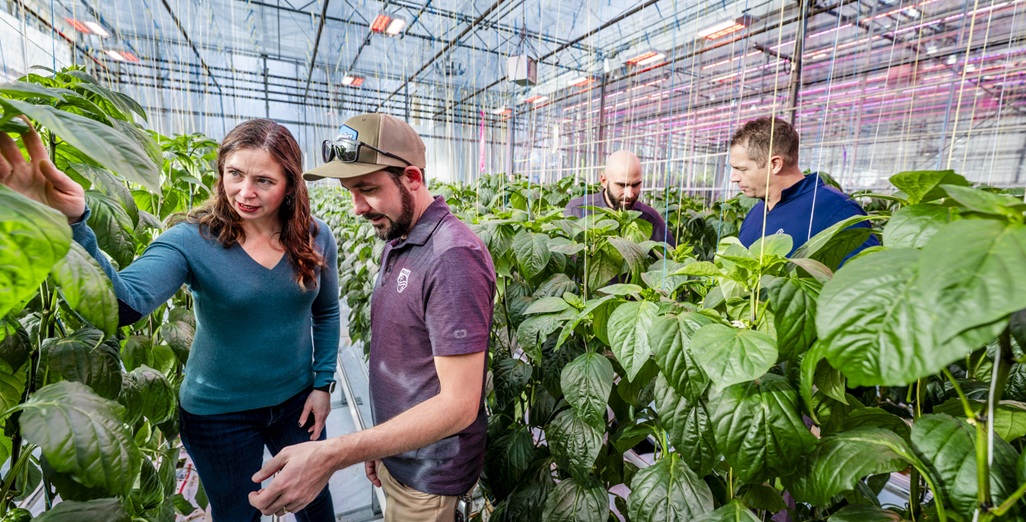
Signify and University of British Columbia collaborate to further explore feasibility of sustainable year-round greenhouse pepper production
Trial paves the way for growers to capitalize on the market opportunity to provide locally grown bell peppers during the winter months.
April 7, 2026
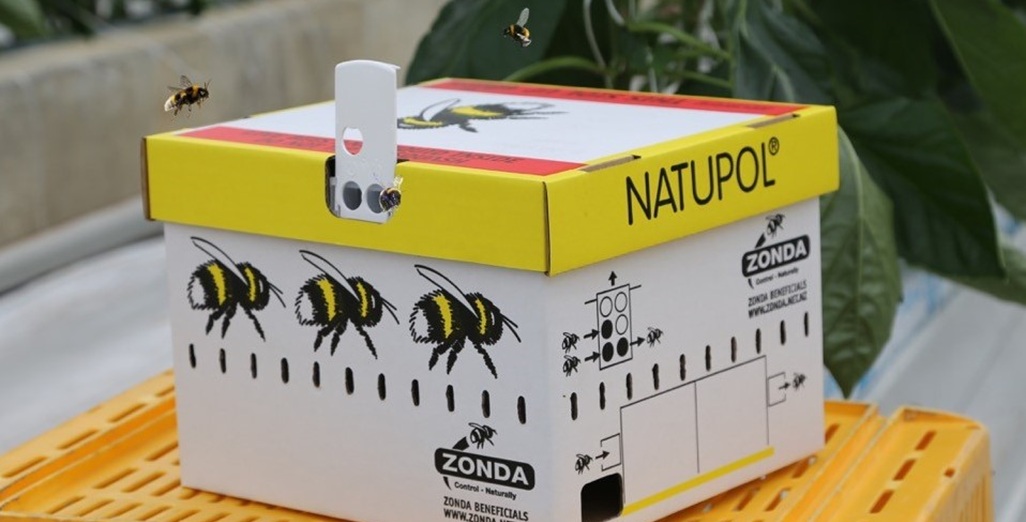
Think It’s the Bees? Think Again
Proven Hive Performance Suggests Auckland’s Climate and Crop Conditions Are the Key Limiters. Every year, Zonda receives calls from growers saying “the bees aren’t working” and requesting new hives. While hives are sometimes replaced, these cases consistently show that the bumblebees are performing as expected. The real challenge? Humidity, Auckland weather, and plant conditions.
March 23, 2026
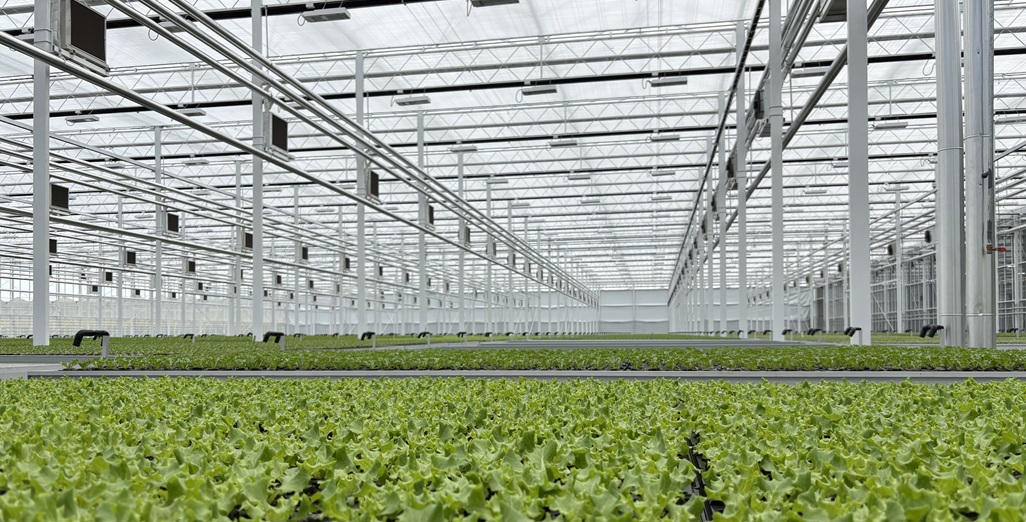
Plant-optimized spectrum to maximize photosynthetic efficiency and productivity:
27% higher yield and 40% energy savings in tomato greenhouse drive Woodeumgee Farm to repeat investment in Philips horticulture LED solution
March 10, 2026
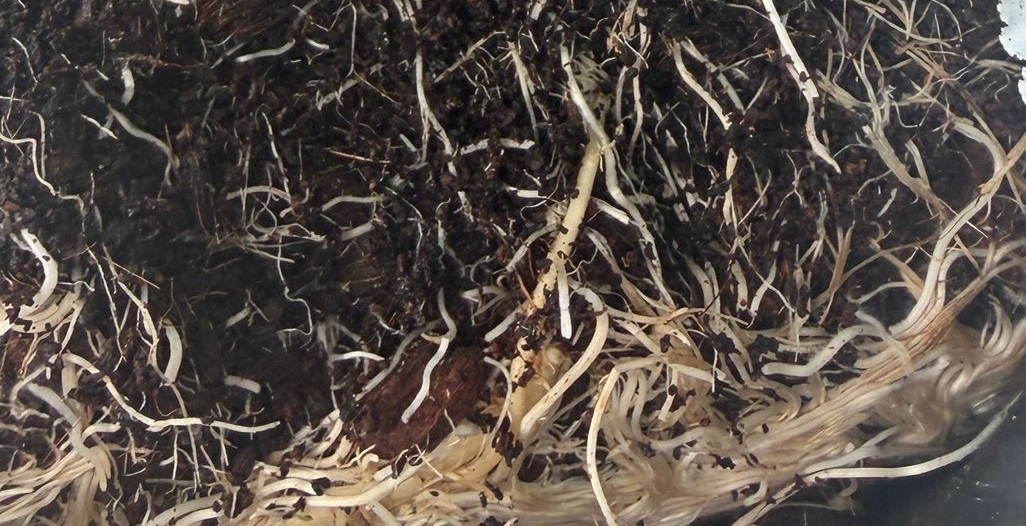
Where Does Fusarium Sit on Your Priority List?
When discussing crop health during technical strategy meetings, Fusarium often does not sit particularly high on the list of priorities.
February 23, 2026
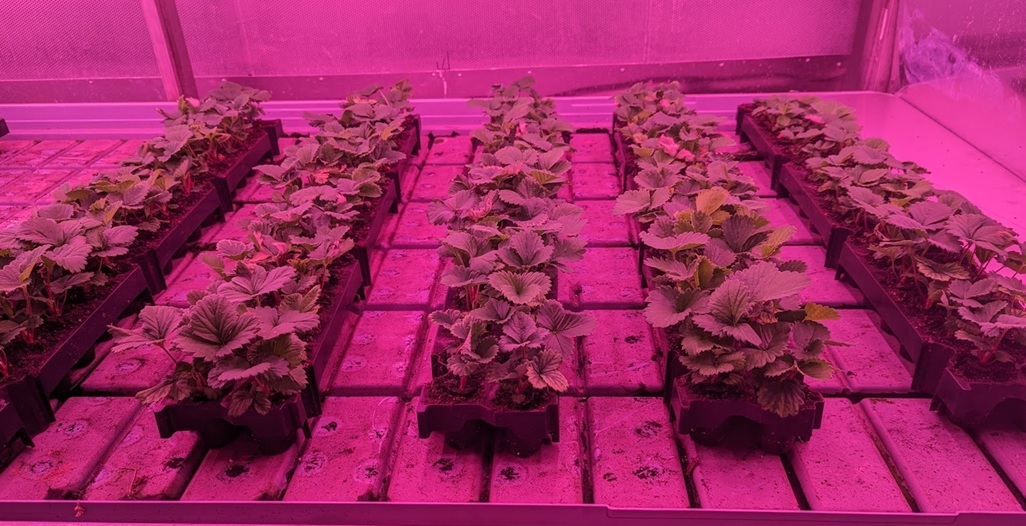
A proven opportunity in strawberry cultivation with indoor-grown generative young plants
Indoor strawberry young-plant production is moving from a promising concept to a proven opportunity. Recent trials with F1 hybrid varieties grown from seed in fully controlled facilities have shown faster development of young plants, a roughly 40% higher fruit yield in the greenhouse, harvesting two weeks earlier, and a clean, chemical-free starting point.
CLASSIFIED