
27
Jan 2022

Strawberries in short supply before Christmas

Strawberries in short supply before Christmas


Shortly before Christmas the headlines said there would be a strawberry shortage.  This was no surprise.  The weather the previous week had been atrocious with days of continual rain and high humidity.   I would think that any outdoor crop, hit by this weather, would have been facing some huge issues.

For businesses growing in tunnels, they would’ve still had negative effects from the weather, but I would think considerably less issues.  High humidity is unavoidable, but it would have been much easier to apply protectant fungicides to reduce fungal losses for plants growing on tables/gutters than field crops growing on the ground.

Even low-tech tunnel house offers several major advantages compared to traditional field growing.  If the plants are growing on gutters/tables, it is much easier to spray and keep your plants drier for longer and manipulate the water content in the substrates.  Protecting the crop will mitigate fruit damage caused by hail or heavy rains.

Growers that have moved to protected cropping are expanding and will outproduce traditional field growing strawberries.  We all know labour is a massive issue and no one will want to pick from the ground soon.  Some boutique properties or pick your own, may survive but for commercial operations I believe unless you change you will get out performed and slowly be replaced by higher producing and labour friendly protected cropping structures.

There are so many cost benefits – contact me if you want some sound advice.

If you missed them, check out the mainstream media articles from Christmas week below


https://www.newshub.co.nz/home/new-zealand/2021/12/strawberry-shortage-looms-for-christmas-pavlovas-as-growers-lose-over-half-of-crop.html

https://www.1news.co.nz/2021/12/23/kiwis-urged-to-snap-up-xmas-strawberries-amid-shortage/

 

Article written and compiled by Stefan Vogrincic

All Article’s checked and edited by Marie Vogrincic

I appreciate your comments.  Please feel free to comment on the grower2grower Facebook page:

https://www.facebook.com/StefanGrower2grower/

CLASSIFIED

Subscribe to our E-Zine

Sign up here to subscribe to the Grower2grower Ezine. Every two weeks you will receive new articles, specific to the protected cropping industry, informing you of industry news and events straight to your inbox.

More

From This Category

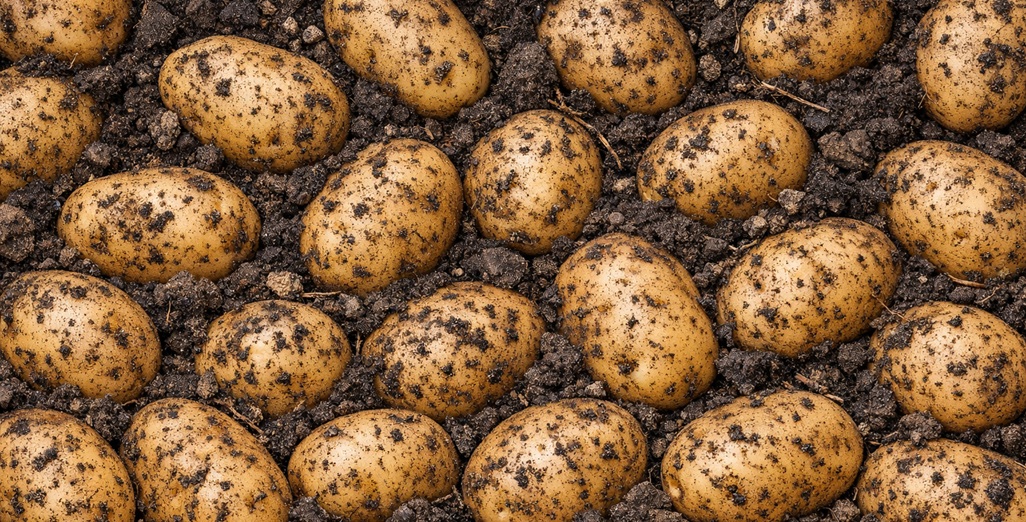
The Environmental Protection Authority (EPA) has approved a new fungicide seed treatment to control disease on potatoes.
April 20, 2026
The Environmental Protection Authority (EPA) has approved a new fungicide seed treatment to control disease on potatoes.
The New Zealand potato industry is valued at approximately $1 billion annually, according to Potatoes New Zealand.
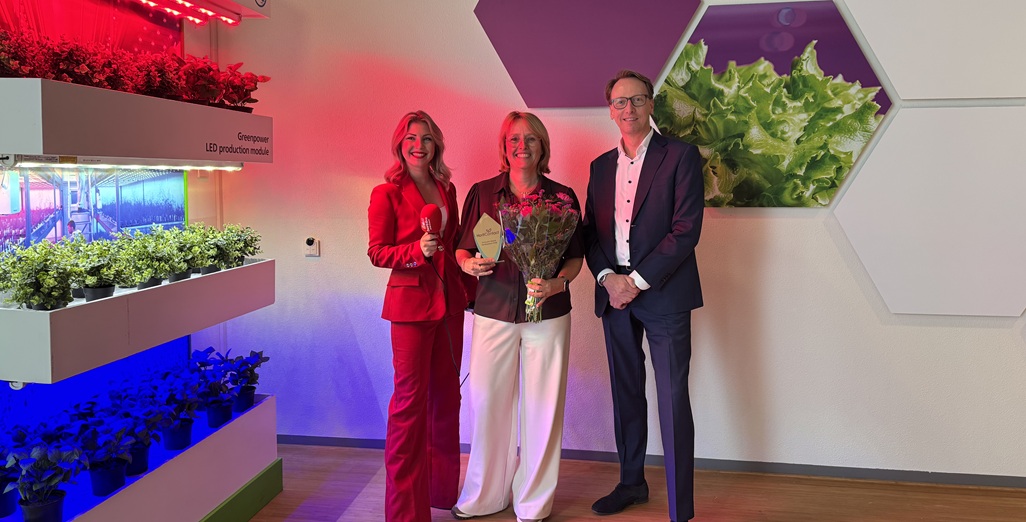
Signify wins HortiContact Innovation Award for Philips intelligent horticulture lighting solutions
Proposed import requirements for fresh blueberries (Vaccinium spp.) for human consumption
The Environmental Protection Authority (EPA) maintained the upward trend for hazardous substances decisions in the second quarter of the 2025-26 year.
March 23, 2026
The Environmental Protection Authority (EPA) maintained the upward trend for hazardous substances decisions in the second quarter of the 2025-26 year.
Dr Lauren Fleury, Manager Hazardous Substances Applications, says the EPA continues to use rapid assessment pathways where possible. Of the 16 approved applications in the second quarter, 13 were decided by rapid assessment.
Source Advances Harvest Forecasting for Tomatoes with Next Generation AI Model
March 23, 2026
Source Advances Harvest Forecasting for Tomatoes with Next Generation AI Model
Fundamental changes to how the model learns and handles grower input mean significantly less manual work and meaningfully better accuracy.
Australia’s horticulture sector has delivered a year of record‑breaking performance
March 10, 2026
Australia’s horticulture sector has delivered a year of record‑breaking performance
Highest production value to date of $18.4 billion, up 6% on the previous year.
CLASSIFIED