


Sign up here to subscribe to the Grower2grower Ezine. Every two weeks you will receive new articles, specific to the protected cropping industry, informing you of industry news and events straight to your inbox.
1
Mar 2022
Mar 2022
Autumn has arrived
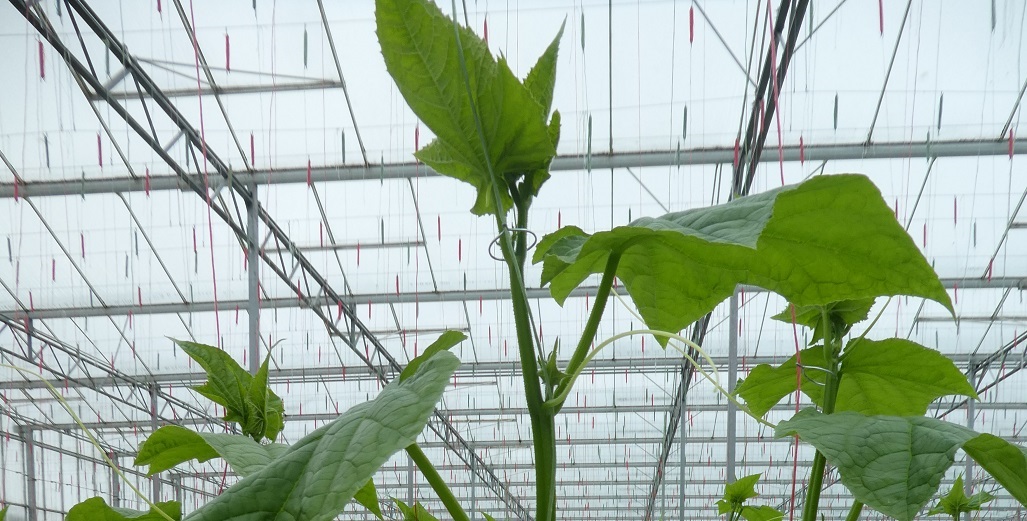
Day length on the decrease so it is time to adjust your irrigation strategy but be mindful of young plants.
Over the weekend the weather was warm but there was a change in the air. Autumn is upon us, as we say goodbye to the most amazing summer. The length of the day is shortening; therefore, irrigation start and stop times should be adjusted. The warm days still require you to maintain a water buffer, as plants will require to draw on this reservoir. However, for the upcoming months (if you have a long crop) I suggest you start pulling back on your water contents. It can be extremely easy to over-water, especially now, and have overly saturated substrates/roots going into the night period. If plants still require a ‘summertime’ water content, then instead of irrigating too early in the morning or too late in the afternoon I suggest you use night shots to correct and reduce large dry down percentages.
I prefer growers start earlier in the morning than let irrigation go on too long into the afternoon. The issues with starting early in the morning now is the cooler outside temperatures. If you vent too early you let chilly air in, but if you vent too late and irrigate too early then you end up with potential fruit sweats and therefore quality issues may arise from short periods of high humidity.
Every time of the year is a tricky time to grow and for this time of the year thinking winter irrigation strategy is important. Except for newly planted crops, especially in the first days after transplanting – gift as much water as required – particularly as irrigation lines can get extremely hot and therefore reduce oxygen levels in the water. You will also run into trouble with Pythium – so I advise liberal irrigation at planting. As soon as the roots take hold into the substrates you can then ease back to control the balance between vegetative and generative growth.
For cucumbers, it is all about keeping the irrigation water cool for young plants. It is important for other crops but due to the sensitive nature of cucumber plants you must accept you will have a lot more runoff in the first week or so after planting – this is the most vulnerable time for cucumbers.
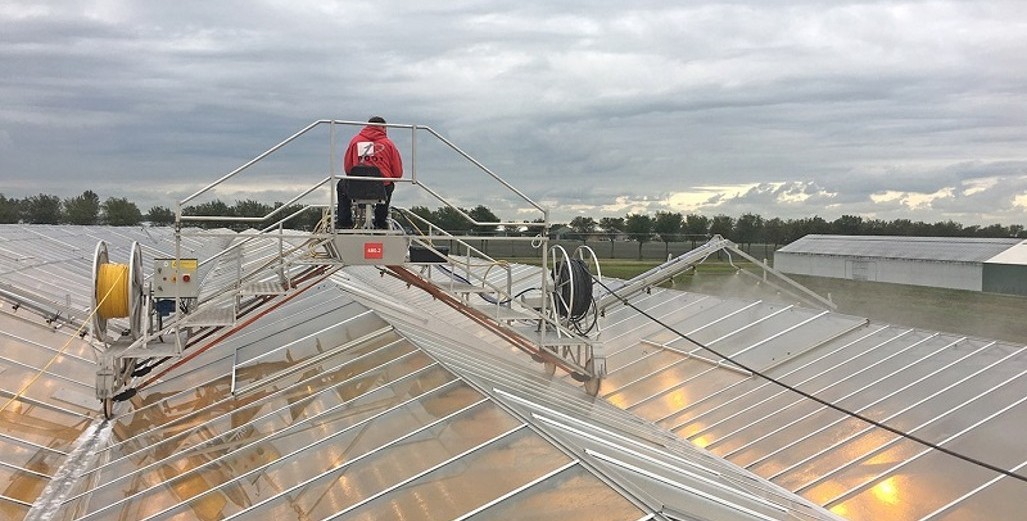
It is also time to consider when you are going to remove any coatings (if you have them) from the roof. You should be thinking by the middle of March to start cleaning your roof as April is fast approaching and you will need all the light possible to continue to maximise production.
It is a wonderful time of year as growers do not have to worry about public holidays and can have a good period of actually ‘getting stuff done.’ The downside currently is the issue with Covid-19 and the impact this is having on all businesses. Isolation rules will make managing staff extremely hard. With all the distraction it is easy to forget the fundamentals. Irrigation is all about targets and what works best for your environment and substrates. Substrates play a huge role in optimising the potential of the plant so understanding your substrate and its characteristics is crucial – in this case not one solution fits all, it needs to be tailored as very rarely does every grower have the exact same substrate and system to match.
Irrigate young cucumber plants liberally until roots are establishing in the substrate, then dial back.
Article written and compiled by Stefan Vogrincic
All Article’s checked and edited by Marie Vogrincic
I appreciate your comments. Please feel free to comment on the grower2grower Facebook page:
https://www.facebook.com/StefanGrower2grower/
CLASSIFIED


















Photo
Gallery



Subscribe to our E-Zine
More
From This Category
April 20, 2026
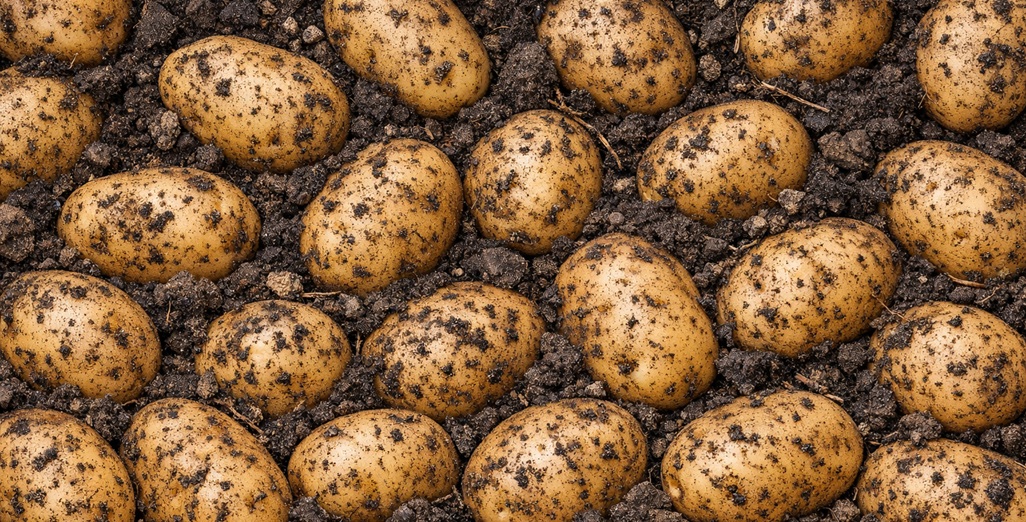
The Environmental Protection Authority (EPA) has approved a new fungicide seed treatment to control disease on potatoes.
The New Zealand potato industry is valued at approximately $1 billion annually, according to Potatoes New Zealand.
April 20, 2026
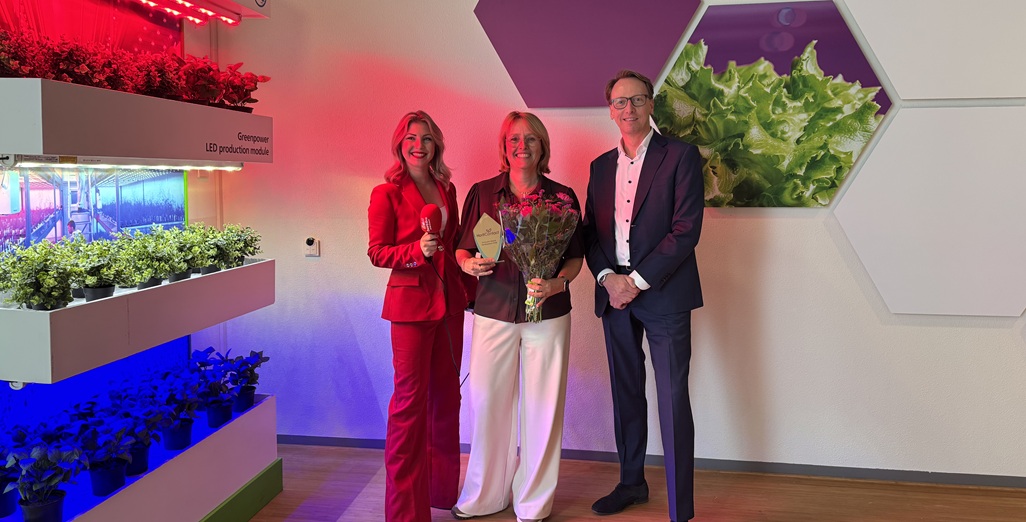
Signify wins HortiContact Innovation Award for Philips intelligent horticulture lighting solutions
“We are incredibly proud of this recognition”
April 7, 2026
Proposed import requirements for fresh blueberries (Vaccinium spp.) for human consumption
Make your submission
March 23, 2026
The Environmental Protection Authority (EPA) maintained the upward trend for hazardous substances decisions in the second quarter of the 2025-26 year.
Dr Lauren Fleury, Manager Hazardous Substances Applications, says the EPA continues to use rapid assessment pathways where possible. Of the 16 approved applications in the second quarter, 13 were decided by rapid assessment.

March 23, 2026
Source Advances Harvest Forecasting for Tomatoes with Next Generation AI Model
Fundamental changes to how the model learns and handles grower input mean significantly less manual work and meaningfully better accuracy.
March 10, 2026
Australia’s horticulture sector has delivered a year of record‑breaking performance
Highest production value to date of $18.4 billion, up 6% on the previous year.
CLASSIFIED