

Sign up here to subscribe to the Grower2grower Ezine. Every two weeks you will receive new articles, specific to the protected cropping industry, informing you of industry news and events straight to your inbox.
5
Jul 2022
Jul 2022
Tomato grower eyes innovative workaround after CO2 shortage cuts production 20%
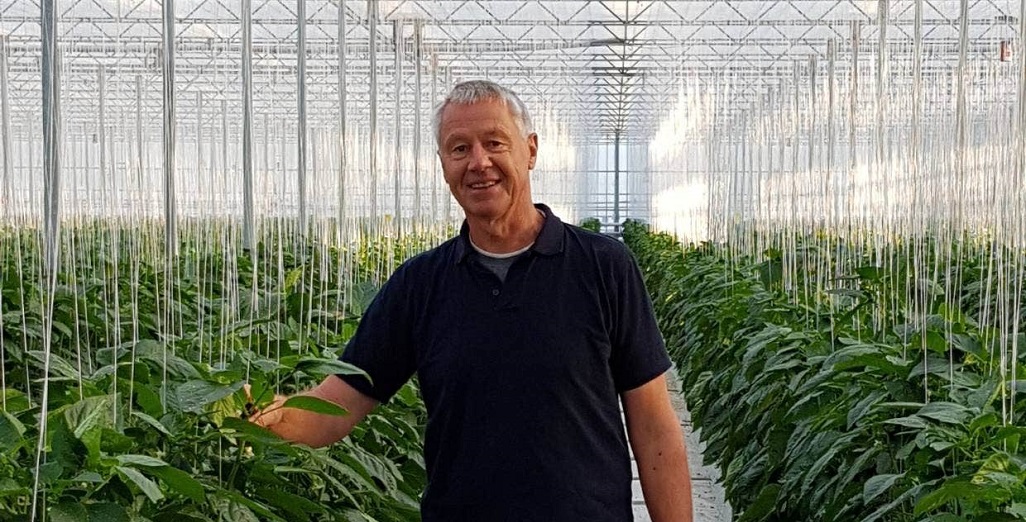
NZ Gourmet production director Roelf Schreuder is banking on patented waste wood gasifiers to reverse a drop in its harvest caused by the country’s carbon dioxide shortage.
Republished/linked with the permission of Tom Pullar-Strecker
MORE FROM
TOM PULLAR-STRECKER • SENIOR BUSINESS JOURNALIST
tom.pullar-strecker@stuff.co.nz
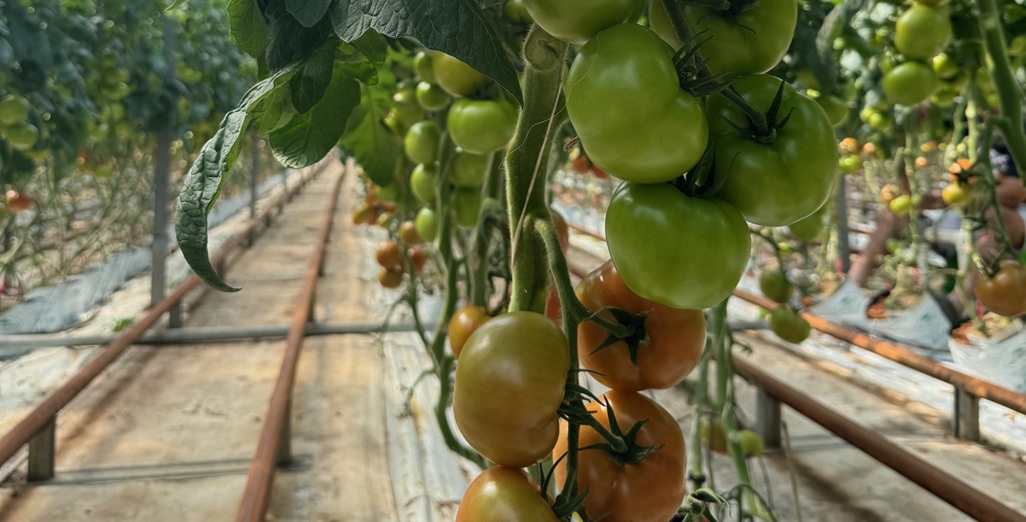
One of the country’s largest fruit and vegetable growers, New Zealand Gourmet, hopes it has found a workaround after a nationwide shortage of commercial carbon dioxide supplies cut the production of tomatoes at its 12 hectare site near Taupo by about 20%.
And it is a solution that could help a technology start-up on its way to export success.
NZ Gourmet is the latest big food producer to report fall-out from the carbon dioxide shortage, which is also threatening to interfere with the production of craft beers and supermarket-packaged chicken.
Its facility in Mōkai, north of Taupō, is unusual in that it uses geothermal energy instead of coal or gas boilers to heat its greenhouses and sustainably produce tomatoes and peppers during winter.
READ MORE:
* CO2 shortage threatens wide range of NZ groceries including Tegel chicken
* Carbon dioxide shortage threatens to take fizz out of craft beer
* Carbon dioxide shortage could add to rising food prices
But production director Roelf Schreuder said the downside of using cheap geothermal energy for heat was that the company needed to obtain about 30 tonnes of carbon dioxide (CO2) each week to optimise growing conditions at the facility.
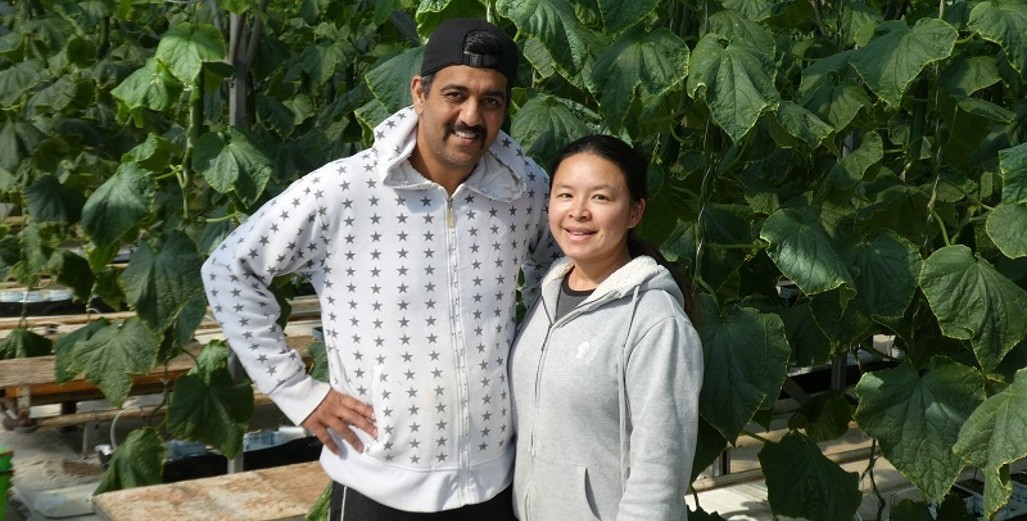
(image supplied) NZ Gourmet production director Roelf Schreuder is banking on patented waste wood gasifiers to reverse a drop in its harvest caused by the country’s carbon dioxide shortage.
NZ Gourmet had been unable to buy any CO2 since the Marsden Point oil refinery closed at the end of March, Schreuder said.
“This is resulting in fewer tomatoes on the market over the winter period, at a time when fewer tomatoes are already grown due to high energy costs.”
The Marsden refinery had produced carbon dioxide as a by-product of its refining process and the impact of its closure has been exacerbated by production problems at Todd Energy’s Kapuni gas field in Taranaki, which is now the only domestic source of liquid and food grade CO2.
NZ Gourmet is banking on new technology developed by Callaghan Innovation spin-off Hot Lime Labs to get its vines back to full production.
Hot Lime Labs has developed gasifiers that burn wood waste at night, when heat is needed most in greenhouses, but which are optimised to produce CO2, rather than heat, from combustion.
MORE FROM
TOM PULLAR-STRECKER • SENIOR BUSINESS JOURNALIST
tom.pullar-strecker@stuff.co.nz
That CO2 is then stored in “patented limestone pellets” for later release during daylight hours, when it helps promote plant growth through photosynthesis.
NZ Gourmet trialled Hot Lime Labs’ system at its Mokai’s site last year and is expecting its first commercial units later this year.
Hot Lime Labs chief growth officer Tijs Robinson said other growers that relied on gas for heat and CO2 had an incentive to switch to a renewable heat source and a separate supply of CO2 because of the rising cost of natural gas.
Robinson expected its work with NZ Gourmet would also be a step on the way to developing an export market for its gasifiers in the massive Netherlands market, where it is has been seeking distribution and service partners.
“New Zealand has about 500 to 700 hectares of high-tech greenhouses; the Netherlands has 10,000ha to 15,000ha.”
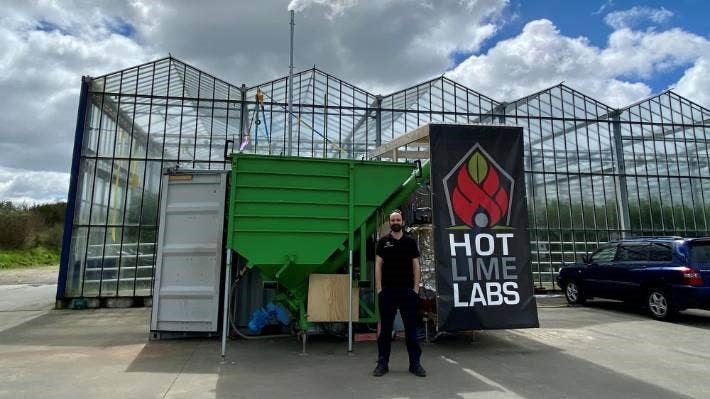
(image supplied)Hot Lime Labs founder Vlatko Materic has just returned from Europe, where the company is recruiting business partners.
Growers in Europe were faced with an urgent need to reduce their reliance on natural gas to produce heat and CO2 in the wake of Russia’s invasion of Ukraine, Robinson said.
“Our chief executive has been in Europe, and he’s been talking to people who are expecting or have already seen gas prices triple.”
Horticulture firms tended to try to keep levels of carbon dioxide in their greenhouse at between 800 and 900 parts per million, which is about double the current atmospheric level of 420ppm, as that increased plant growth by about a quarter, Robinson said.
But without a separate source of CO2, a switch away from fossil fuels to other heat sources would leave them short.
Robinson said Hot Lime Labs regarded its method as sustainable, as it “liberated” carbon dioxide from waste wood where it is commonly regarded as being in one stage of the natural atmospheric carbon cycle.
Energy Minister Megan Woods said “potential impacts” on the CO2 supply chain were canvassed in a Cabinet paper last year, when ministers were considering the closure of the Marsden Point refinery.
But she said retaining the supply of CO2 as a by-product of the refining process had not been a sufficient reason to intervene in the closure.
Click on the link below to read this and related articles
CLASSIFIED



















Photo
Gallery












Subscribe to our E-Zine
More
From This Category
April 20, 2026
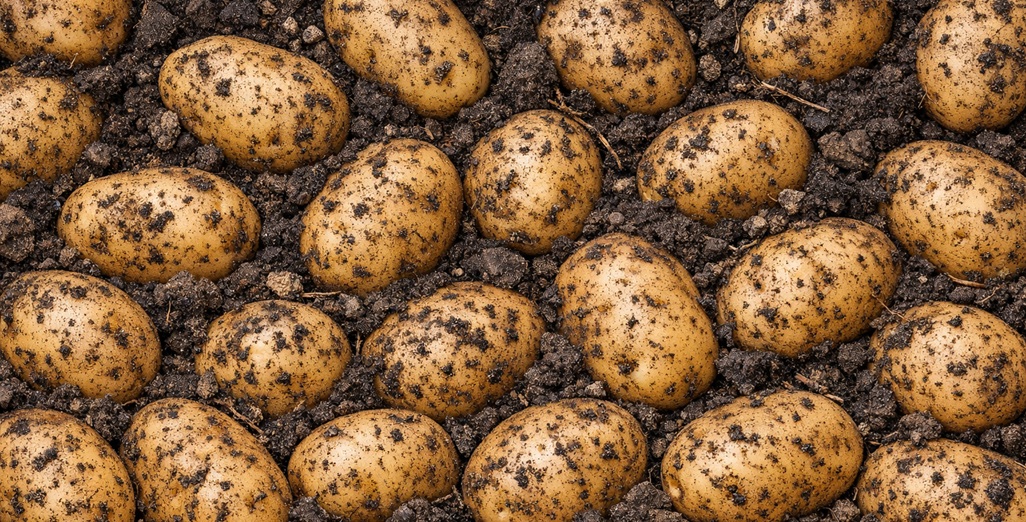
The Environmental Protection Authority (EPA) has approved a new fungicide seed treatment to control disease on potatoes.
The New Zealand potato industry is valued at approximately $1 billion annually, according to Potatoes New Zealand.
April 20, 2026
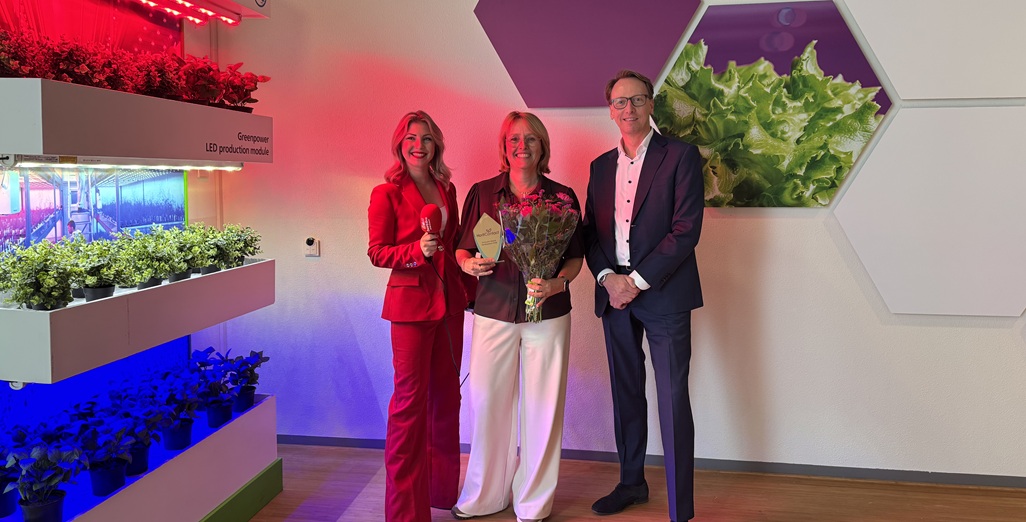
Signify wins HortiContact Innovation Award for Philips intelligent horticulture lighting solutions
“We are incredibly proud of this recognition”

April 7, 2026
Proposed import requirements for fresh blueberries (Vaccinium spp.) for human consumption
Make your submission
March 23, 2026
The Environmental Protection Authority (EPA) maintained the upward trend for hazardous substances decisions in the second quarter of the 2025-26 year.
Dr Lauren Fleury, Manager Hazardous Substances Applications, says the EPA continues to use rapid assessment pathways where possible. Of the 16 approved applications in the second quarter, 13 were decided by rapid assessment.

March 23, 2026
Source Advances Harvest Forecasting for Tomatoes with Next Generation AI Model
Fundamental changes to how the model learns and handles grower input mean significantly less manual work and meaningfully better accuracy.

March 10, 2026
Australia’s horticulture sector has delivered a year of record‑breaking performance
Highest production value to date of $18.4 billion, up 6% on the previous year.
CLASSIFIED