

Sign up here to subscribe to the Grower2grower Ezine. Every two weeks you will receive new articles, specific to the protected cropping industry, informing you of industry news and events straight to your inbox.
10
Oct 2022
Oct 2022
It is Tomtober!
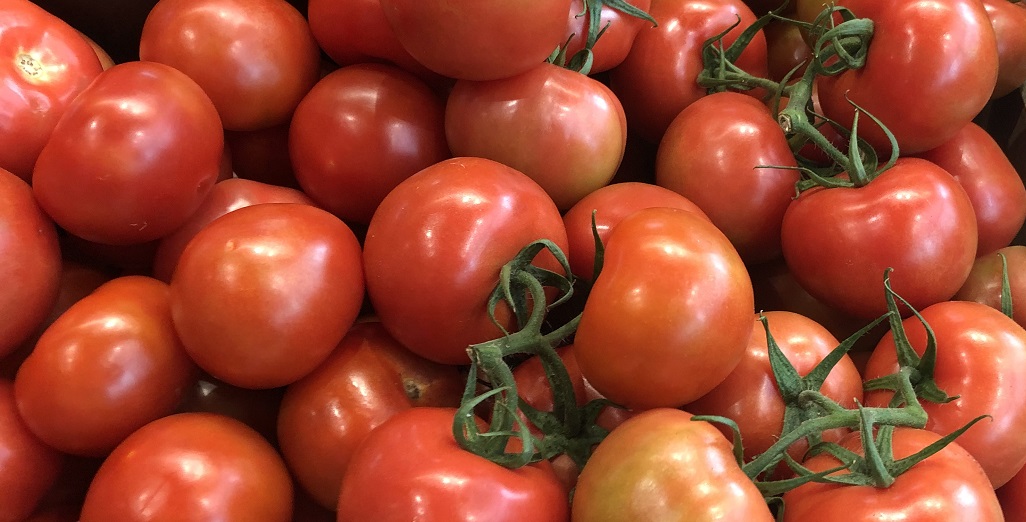
Prices remain very HIGH as Labour Weekend Nears
The October school holidays are upon us, as we approach labour weekend this time of year has traditionally been the start of lower wholesale tomato prices. The weather is improving, light levels are up, and supply naturally increases. Therefore, I am in favour of promoting tomatoes during October to let consumers know tomatoes are back on the menu.
At the beginning of October, tomato prices are still staggeringly high in the supermarkets. In my local supermarket the price was 17.99 per kg (Sunday 9th October 22) for a large loose round tomato, this is simply unprecedented in my growing years. This price limits who can purchase healthy, domestically grown, fresh tomatoes. If we are not careful it may lead to buyer resentment and in the long term cause more harm than good.

With nearly four months of high tomato prices, it is obvious this will encourage even more importation of Australian tomatoes. This unnecessary carbon footprint or carbon leakage was to a point avoidable. It is a shame that growers and industry have not been fully listened to and as a result the environment, consumer and the growers are negatively impacted.
I become frustrated when I hear that low production is solely due to low light – every year low light levels play a part but in fact there are currently other major factors, out of the control of the industry and growers. Energy price increases due to the ‘shortage’ of gas and a volatile market, increases in ETS tax on both coal and gas coupled with crippling labour shortages have seen large areas of greenhouses either not replanted and heating inputs reduced. These realities have directly impacted on supply. Decisions have almost been taken out of the hands of growers – especially when their energy was to some extent – rationed. Imports of consumables have been a major factor in cost increases as well, from fertiliser to substrates and everything in between. However, the landing could have been far softer if energy and labour constraints were not such an issue.
We should have had a lot more winter grown tomato production available this year and I just hope the issues are sorted out soon so growers can plan. I am concerned, as light levels and temperatures increase, that the workload, for current workers, become too great. This is not just a tomato issue but is affecting all of horticulture and, it seems most sectors.
The environment is also about to take another setback due to importing more product. Is it fair we are importing product from countries that do not have to meet the same carbon (ETS) obligations our growers do? Food security and supplying our own markets for certain times of the year is under pressure. Growers and industry are working collaboratively with government agencies such as EECA on energy transition. This is a fantastic initiative that will assist growers in the long-term move to less fossil fuel reliance and into renewables. This is not a short-term solution; it will take time.
Consequences of policy has impacted the winter supply of tomatoes which has meant a huge increase in price at the supermarket. Collaboration between Government and Industry is key moving forward to restabilise the market.
Article written and compiled by Stefan Vogrincic
All Article’s checked and edited by Marie Vogrincic
I appreciate your comments. Please feel free to comment on the grower2grower Facebook page:
https://www.facebook.com/StefanGrower2grower/
CLASSIFIED


















Photo
Gallery







Subscribe to our E-Zine
More
From This Category
April 20, 2026
The Environmental Protection Authority (EPA) has approved a new fungicide seed treatment to control disease on potatoes.
The New Zealand potato industry is valued at approximately $1 billion annually, according to Potatoes New Zealand.
April 20, 2026
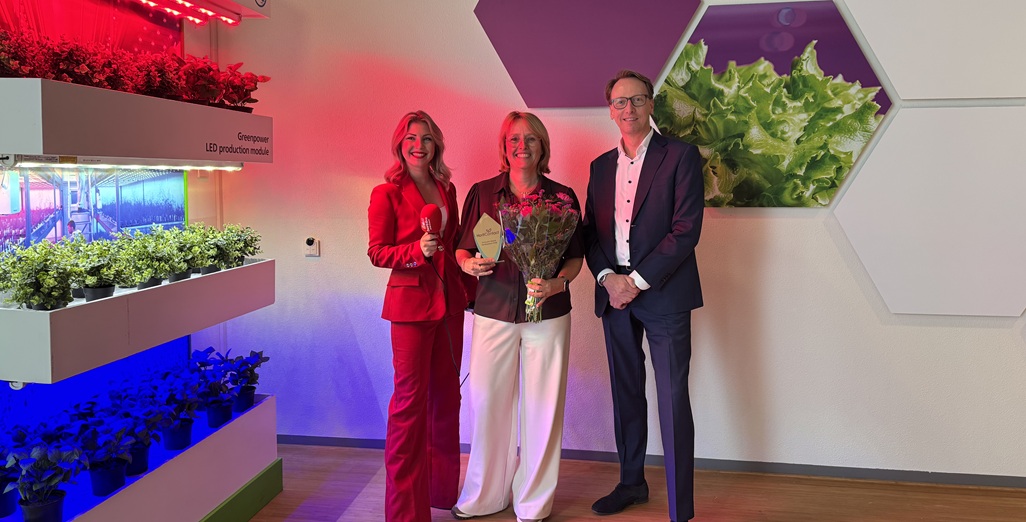
Signify wins HortiContact Innovation Award for Philips intelligent horticulture lighting solutions
“We are incredibly proud of this recognition”

April 7, 2026
Proposed import requirements for fresh blueberries (Vaccinium spp.) for human consumption
Make your submission
March 23, 2026
The Environmental Protection Authority (EPA) maintained the upward trend for hazardous substances decisions in the second quarter of the 2025-26 year.
Dr Lauren Fleury, Manager Hazardous Substances Applications, says the EPA continues to use rapid assessment pathways where possible. Of the 16 approved applications in the second quarter, 13 were decided by rapid assessment.

March 23, 2026
Source Advances Harvest Forecasting for Tomatoes with Next Generation AI Model
Fundamental changes to how the model learns and handles grower input mean significantly less manual work and meaningfully better accuracy.
March 10, 2026
Australia’s horticulture sector has delivered a year of record‑breaking performance
Highest production value to date of $18.4 billion, up 6% on the previous year.
CLASSIFIED