

Sign up here to subscribe to the Grower2grower Ezine. Every two weeks you will receive new articles, specific to the protected cropping industry, informing you of industry news and events straight to your inbox.
25
Oct 2022
Oct 2022
Setting an Issue
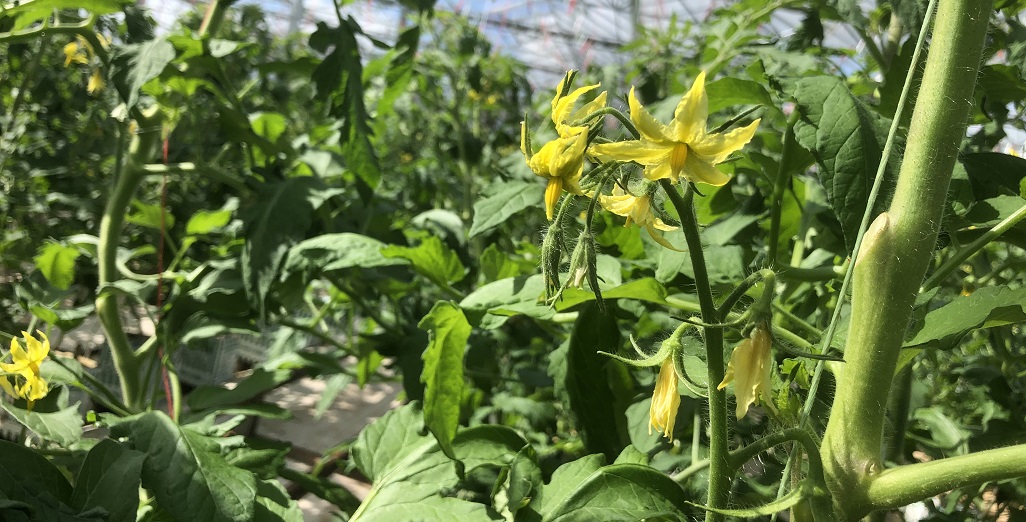
Frequent problem that is back like clockwork
Time is precious and growers are extremely busy, so here are some very brief bits of information to refresh you.
Bumble Bees:
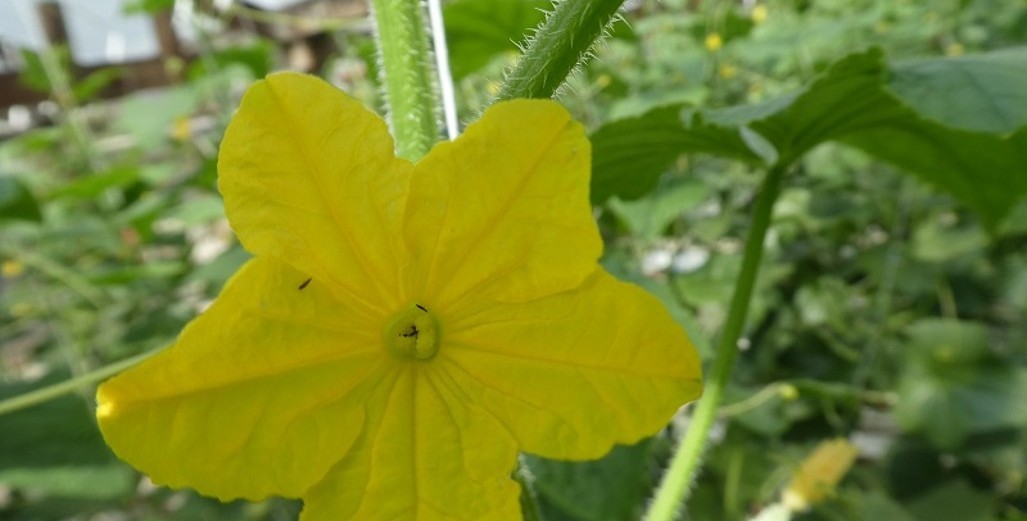
Every spring, without fail, growers report issues with flowers setting. I always had this issue with my (tomato) crops as I lived next door to a nashi pear orchard. My bees would desert me at blossom time for greener (tastier) flowers.
It may not be just down to bees escaping outside – it is too easy to blame bee pressure – although this will certainly help. Flowering speed is rapidly increasing therefore you will require to cumulatively increasing bumble bee pressure.
Fertiliser:
A particularly important message is to conduct water analysis as your plants may be lacking in potassium. A water analysis is especially important as the weather has totally changed from a month ago – the speed at which the light intensifies in NZ is quite astonishing.
Plant Stress:
With the rapid growth rates, fruit numbers will also be lifting – adjusting to the intense weather with this increased fruit load will put plants under stress (like yesterday 23/10). Plants under stress may abort at the flower setting stage – this is common in certain varieties – so even if you do everything correct you may still end up with some abortion. Diffused coatings on glasshouse rooves should now be considered as the light intensifies and especially on varieties that are sensitive.
Tap your wires:
I never thought I would say this (in NZ) but if all else fails try tapping your crop wires. Hand pollinating is not something I would ever do but after seeing one of my growers achieve an acceptable set last year it may be a short-term solution. I would stick with the bumble bees long term.

For growing advice contact stefan@grower2grower.co.nz
Article written and compiled by Stefan Vogrincic
All Article’s checked and edited by Marie Vogrincic
I appreciate your comments. Please feel free to comment on the grower2grower Facebook page:
https://www.facebook.com/StefanGrower2grower/
CLASSIFIED



















Photo
Gallery




Subscribe to our E-Zine
More
From This Category
April 20, 2026
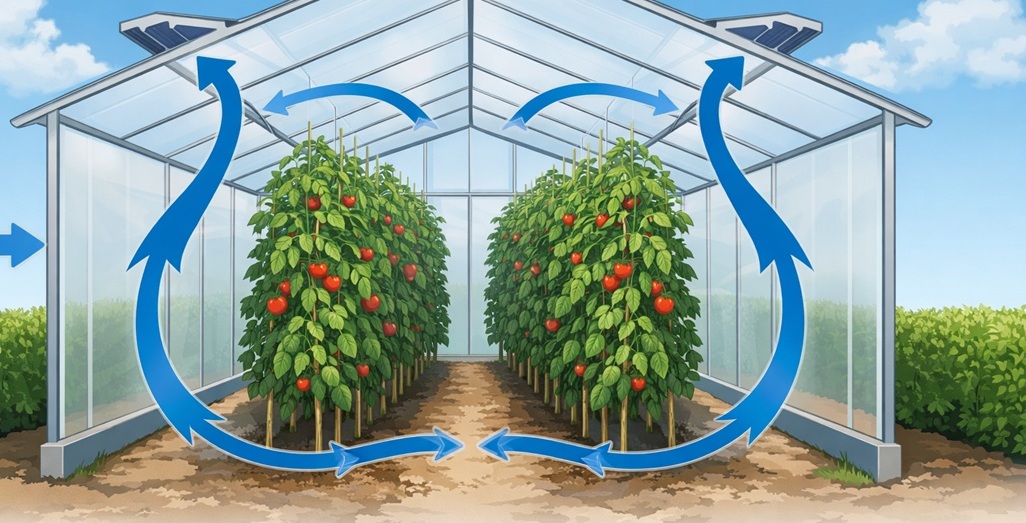
Autumn Challenges: Managing Humidity, Energy Constraints and Crop Balance
A Perfect Storm for Crop Performance
April 7, 2026
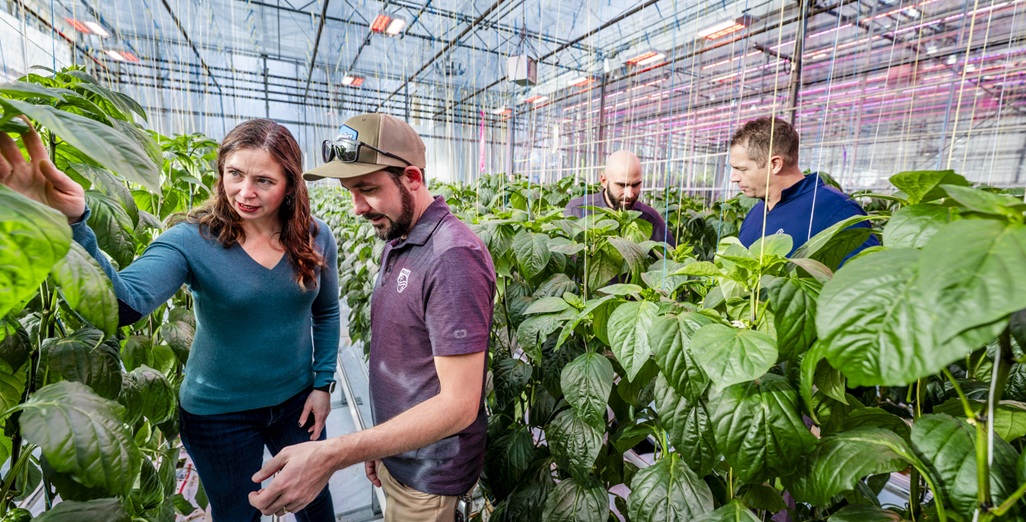
Signify and University of British Columbia collaborate to further explore feasibility of sustainable year-round greenhouse pepper production
Trial paves the way for growers to capitalize on the market opportunity to provide locally grown bell peppers during the winter months.
April 7, 2026
Think It’s the Bees? Think Again
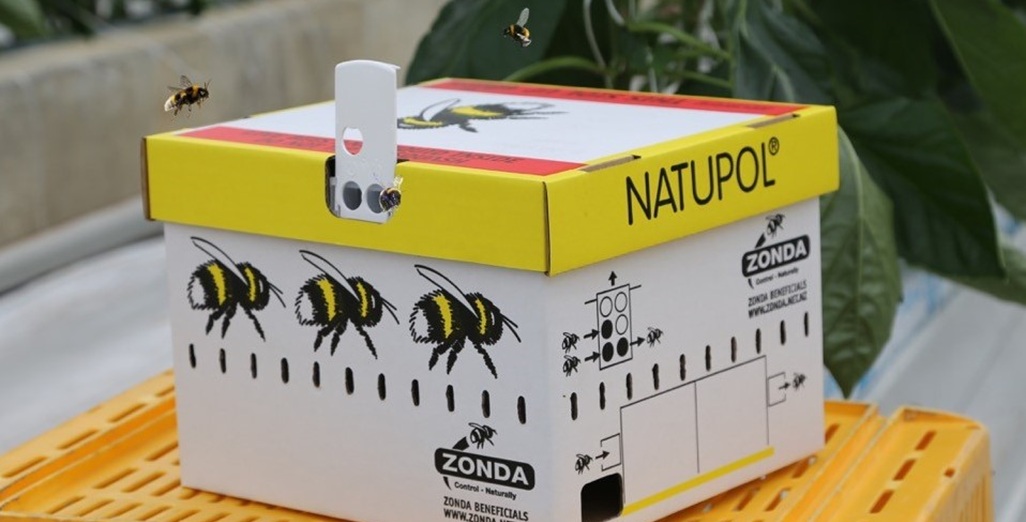
Proven Hive Performance Suggests Auckland’s Climate and Crop Conditions Are the Key Limiters. Every year, Zonda receives calls from growers saying “the bees aren’t working” and requesting new hives. While hives are sometimes replaced, these cases consistently show that the bumblebees are performing as expected. The real challenge? Humidity, Auckland weather, and plant conditions.
March 23, 2026
Plant-optimized spectrum to maximize photosynthetic efficiency and productivity:
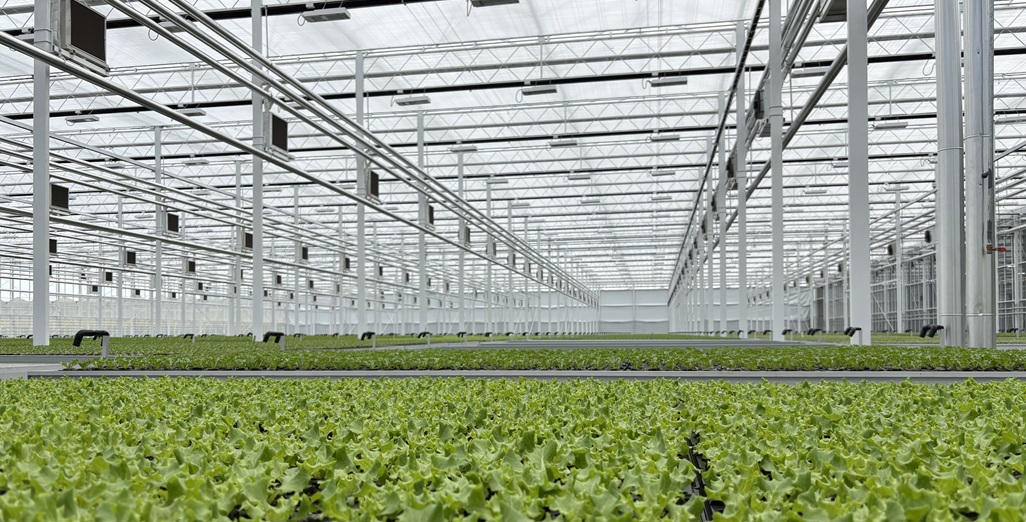
27% higher yield and 40% energy savings in tomato greenhouse drive Woodeumgee Farm to repeat investment in Philips horticulture LED solution
March 10, 2026
Where Does Fusarium Sit on Your Priority List?
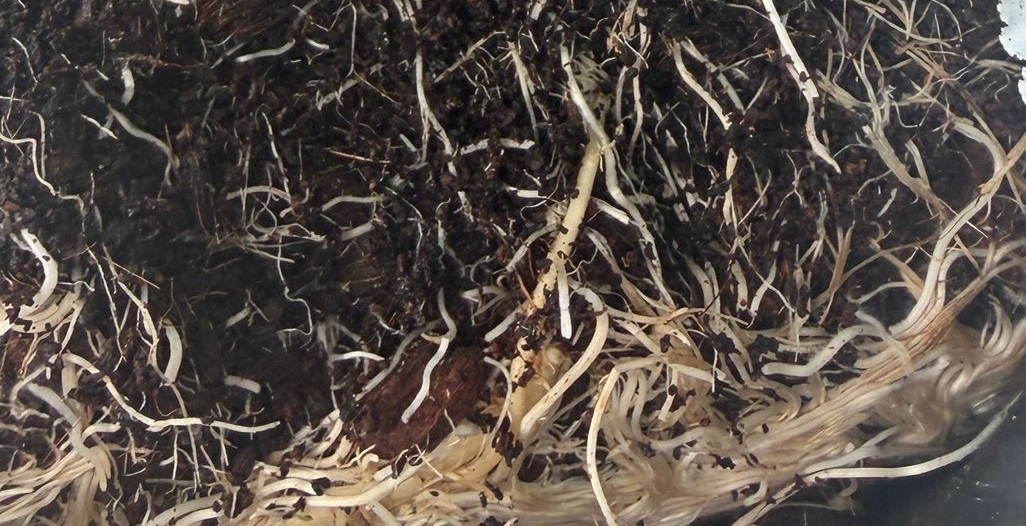
When discussing crop health during technical strategy meetings, Fusarium often does not sit particularly high on the list of priorities.
February 23, 2026
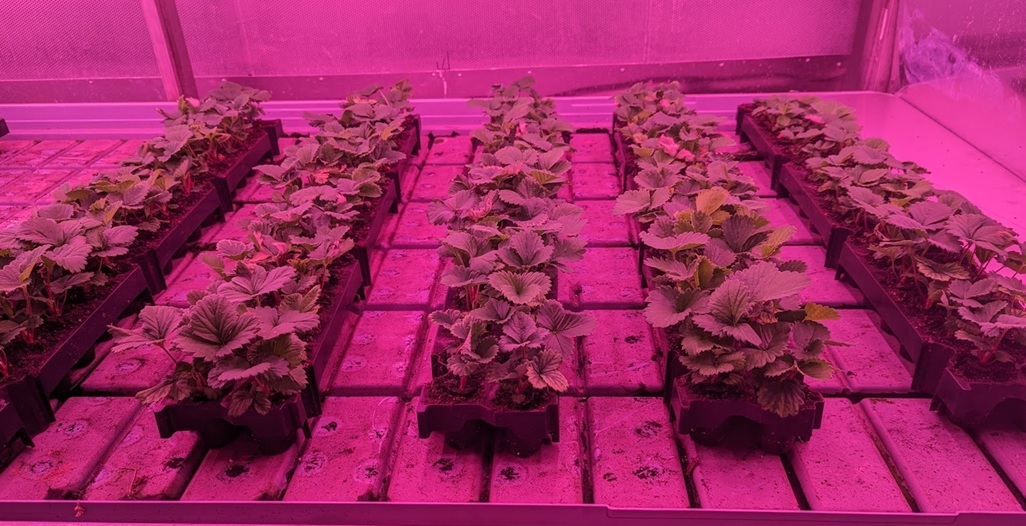
A proven opportunity in strawberry cultivation with indoor-grown generative young plants
Indoor strawberry young-plant production is moving from a promising concept to a proven opportunity. Recent trials with F1 hybrid varieties grown from seed in fully controlled facilities have shown faster development of young plants, a roughly 40% higher fruit yield in the greenhouse, harvesting two weeks earlier, and a clean, chemical-free starting point.
CLASSIFIED