

Sign up here to subscribe to the Grower2grower Ezine. Every two weeks you will receive new articles, specific to the protected cropping industry, informing you of industry news and events straight to your inbox.
31
Jan 2023
Jan 2023
The price of shipping consumables continues to be an exorbitant cost
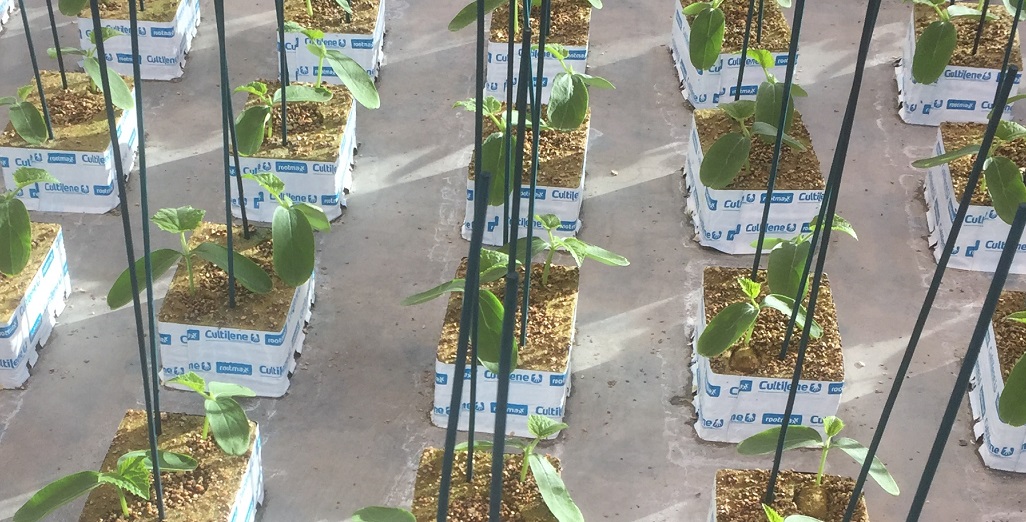
Substrates one of the products that has risen sharply in recent years
The price of containers that deliver product from Europe is still incredibly high compared to pre-pandemic levels. Consumables and fertilisers have sharply increased in price, but it is exacerbated by the price of shipping. Shipping prices are nearly three times that pre-pandemic.
Substrates are widely used in greenhouse horticulture – many businesses grow in stone wool (or rock wool) firstly to propagate plants into smaller cubes/blocks and then grow on larger slabs in the production units. Stone wool is a fantastic product, it is like a sponge in that it has excellent water holding capacity. Stone wool is very light when dry and transported. It is a very easy product to handle. When initially hydrated, before drain holes are cut, it will hold up to 100% of its volume in water. Even when drain holes are cut it is only the plants that will be able to help dry down the stone wool to the desired crop water content.
Coir’s new advantage:
Depending on the supplier, both stone wool and coir have positive attributes and will be better suited to different growing situations.
Coir (slabs as an example) has an advantage in transportation because the coir is compressed, it then expands when it is hydrated in the greenhouse unlike stone wool products. The number of equivalent coir slabs that are packed into a forty-foot container is nearly triple that of stone wool slabs. With the cost of shipping containers to NZ not moving in value, this is a major, costly issue for growers that prefer stone wool products.
What are the options and potential issues of reusing substrates:
If the cost of using stone wool annually is proving to be prohibitive then there is the option to reuse substrates for two years. This is possible but only if you a prepared to live with the possibility of carrying over disease. In its second year stone wool will have a naturally higher water content due to the roots left in the air spaces from the previous crop. This naturally increased water content can make it harder to control plants from becoming too vigorous (or vegetative) at different stages of the crop cycle.
Tomatoes: Growers that have experienced Pepino Mosaic Virus (PepMV) would be advised to change substrates between crop cycles.
Cucumbers: It is possible to continually plant on stone wool for two years. This can be difficult as you can end up growing in a substrate with a constantly high-water content.
Capsicums: It is possible to grow on the same substrate for two seasons but it may be challenging to encourage young capsicum roots into a substrate full of old roots.
I expect growers to be able to grow on coir for two seasons, there are challenges with this but it is done by many growers. The luxury coir growers have is if that if they have to replace substrate after one season due to a high disease pressure their financial impacts are less than what they would be for stone wool growers. (Note: I will not discuss the decrease in possible production growing in second year substrate in this article.)
Questions:
- How did the price of containers increase by so much in three years?
- Is this all covid’s fault?
There are no doubt shipping costs are a major contributing factor to the current price we are paying for both food produced in NZ and food that is imported. Fertilisers and consumable goods, essential to growing, are not produced in NZ, so the increase in costs is out of our control. One of those products is substrates.
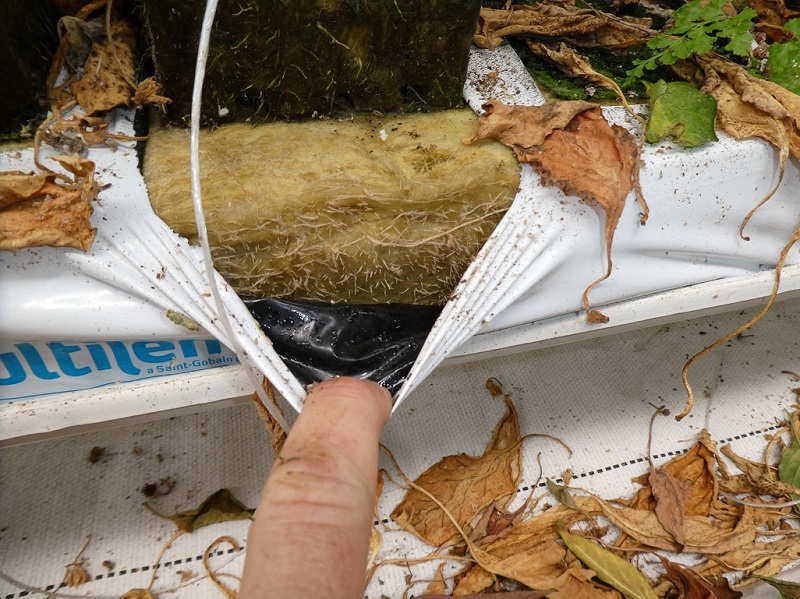
Image of capsicum roots penetrating new substrate. Second year the new plants would have to contend with all of the fine roots from the previous crop to bed into the substrate.
Article written and compiled by Stefan Vogrincic
All Article’s checked and edited by Marie Vogrincic
I appreciate your comments. Please feel free to comment on the grower2grower Facebook page or email: stefan@grower2grower.co.nz
https://www.facebook.com/StefanGrower2grower/
CLASSIFIED

















Photo
Gallery










Subscribe to our E-Zine
More
From This Category

April 20, 2026
The Environmental Protection Authority (EPA) has approved a new fungicide seed treatment to control disease on potatoes.
The New Zealand potato industry is valued at approximately $1 billion annually, according to Potatoes New Zealand.
April 20, 2026
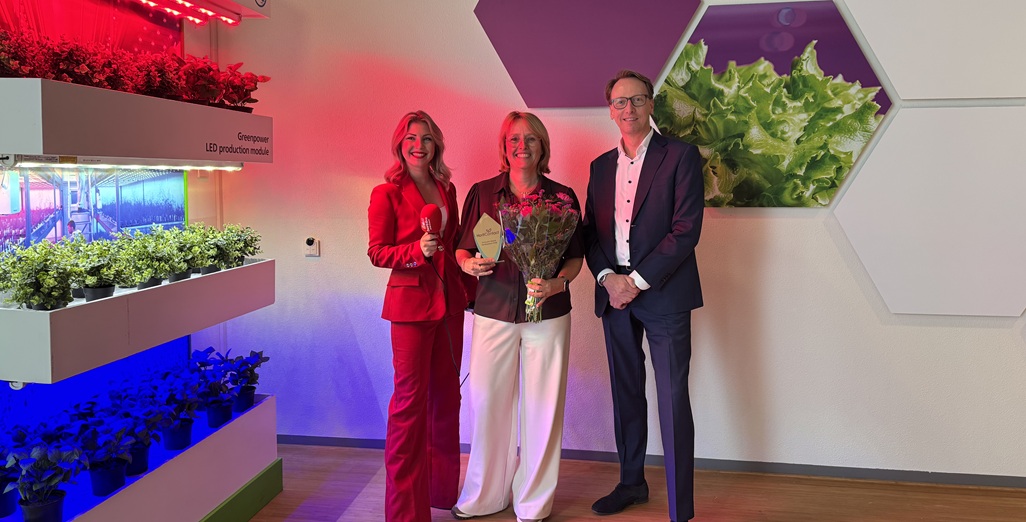
Signify wins HortiContact Innovation Award for Philips intelligent horticulture lighting solutions
“We are incredibly proud of this recognition”

April 7, 2026
Proposed import requirements for fresh blueberries (Vaccinium spp.) for human consumption
Make your submission
March 23, 2026
The Environmental Protection Authority (EPA) maintained the upward trend for hazardous substances decisions in the second quarter of the 2025-26 year.
Dr Lauren Fleury, Manager Hazardous Substances Applications, says the EPA continues to use rapid assessment pathways where possible. Of the 16 approved applications in the second quarter, 13 were decided by rapid assessment.

March 23, 2026
Source Advances Harvest Forecasting for Tomatoes with Next Generation AI Model
Fundamental changes to how the model learns and handles grower input mean significantly less manual work and meaningfully better accuracy.
March 10, 2026
Australia’s horticulture sector has delivered a year of record‑breaking performance
Highest production value to date of $18.4 billion, up 6% on the previous year.
CLASSIFIED