

Sign up here to subscribe to the Grower2grower Ezine. Every two weeks you will receive new articles, specific to the protected cropping industry, informing you of industry news and events straight to your inbox.
6
Jun 2023
Jun 2023
Gray Wall on Tomatoes

Good reminder heading into Winter to calibrate your equipment
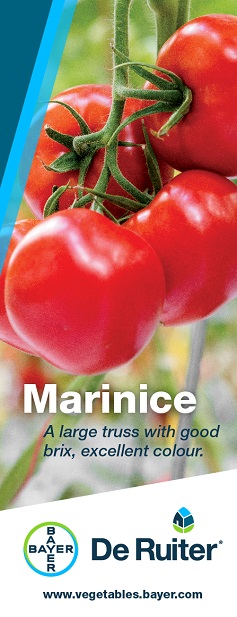
Last week a colleague and fellow advisor asked me if I had noticed any Gray Wall symptoms this year. Gray Wall is un-common as most growers fertilise correctly, however if you do not monitor and calibrate your equipment on a regular basis then you may be not applying the fertiliser the sensors are indicating. I believe the issue in the photo below is most likely from incorrect readings.
Below is a good article that discusses symptoms and prevention management for Gray Wall.
What is Tomato Gray Wall Disease?
Blotchy ripening or Gray wall on the tomato is a physiological condition developed due to environmental factors. This disease does not affect the stems or leaves of the tomato plant. The symptoms are only found in the unripe tomatoes.
The factors that may lead to the gray wall disease in tomatoes are-
- Excess nitrogen.
- Low Boron
- Deficiency of calcium & potassium.
- Reduced light period.
- Fluctuating duration of clouds and sunlight.
- Insufficient levels of soluble salts in the soil
- Lower temperatures
- Heavy soils
How Gray Wall Harm Tomato Plants?
The gray wall disease of the tomato is very complicated. It does not show any signs of infection on the leaves, stems, and roots of the plants.
The tomatoes impacted with gray wall ripen prematurely and evenly with both red and yellow areas.
The fruit do not ripen properly and “veins” of the interior of fruit develop on the inside walls of the fruit.
The fruits affected are not suitable for commercial processing. They can be even unfit for eating.
The difference that exists between Gray Wall or Blotchy Ripening or any other tomato disease is that its causative agent is unknown. It makes the identification, penetration, and dissemination, and prevention of the gray wall harder.
The gray wall of the tomato plant is a physiological disorder that can be caused by up and down in nutrient element levels or fluctuating environmental conditions.
This disorder is affected by the Tobacco Mosaic virus present in the soil and soil compaction. Short days and high humidity also influence the growth of the disease.
Hot weather, fog, clouds, and shade encourage premature ripening in tomatoes.
To continue reading this article click https://thescientificgardener.com/gray-wall-of-tomato-plant-symptoms-prevention-management (source)
Article compiled by Stefan Vogrincic
All Article’s checked and edited by Marie Vogrincic. For all media releases please send to marie@grower2grower.co.nz or upload directly: https://www.grower2grower.co.nz/article-form/
I appreciate your comments. Please feel free to comment on the grower2grower Facebook page or email: stefan@grower2grower.co.nz
https://www.facebook.com/StefanGrower2grower/
CLASSIFIED


















Photo
Gallery







Subscribe to our E-Zine
More
From This Category
April 20, 2026
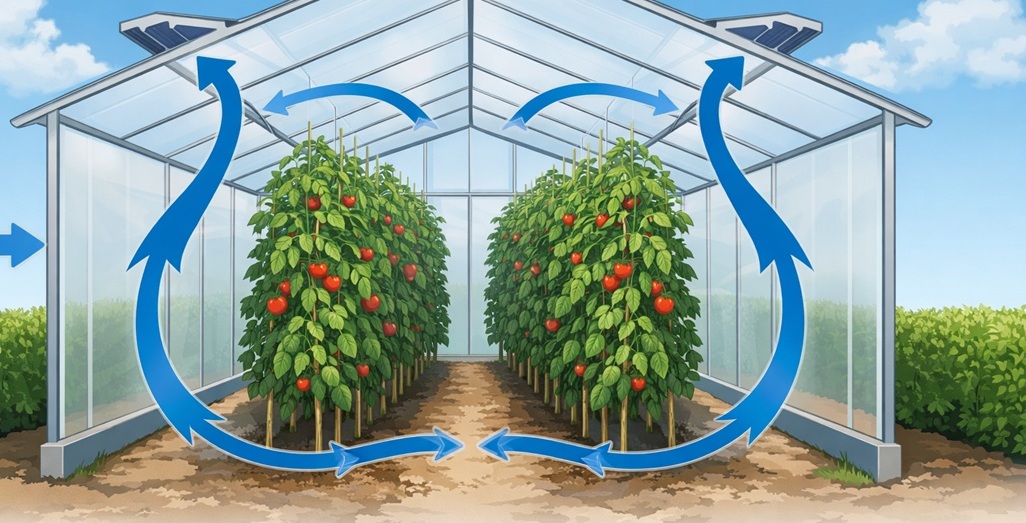
Autumn Challenges: Managing Humidity, Energy Constraints and Crop Balance
A Perfect Storm for Crop Performance
April 7, 2026
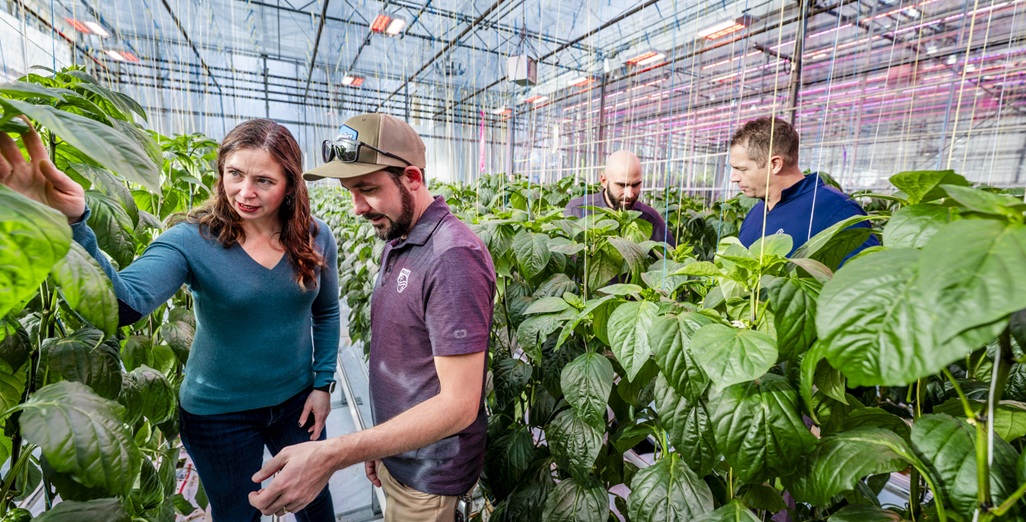
Signify and University of British Columbia collaborate to further explore feasibility of sustainable year-round greenhouse pepper production
Trial paves the way for growers to capitalize on the market opportunity to provide locally grown bell peppers during the winter months.
April 7, 2026
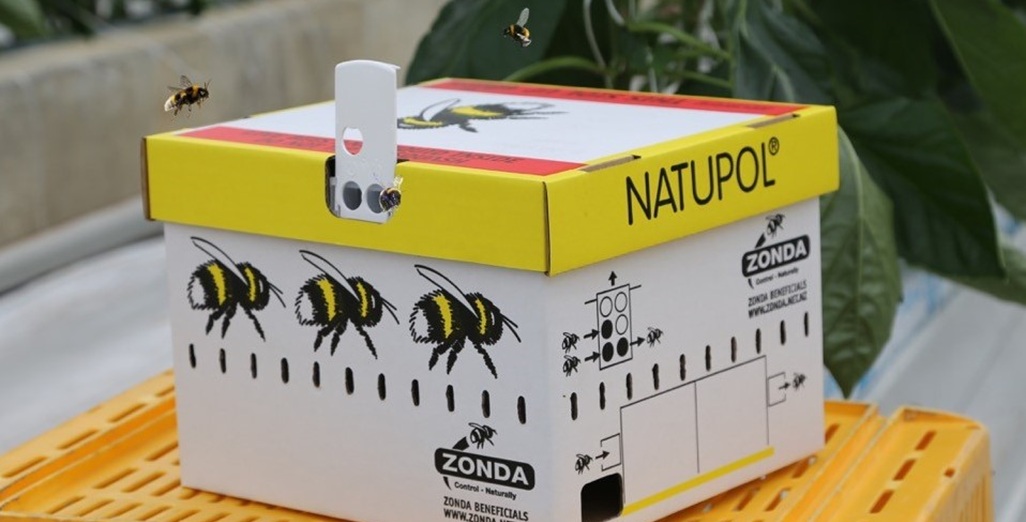
Think It’s the Bees? Think Again
Proven Hive Performance Suggests Auckland’s Climate and Crop Conditions Are the Key Limiters. Every year, Zonda receives calls from growers saying “the bees aren’t working” and requesting new hives. While hives are sometimes replaced, these cases consistently show that the bumblebees are performing as expected. The real challenge? Humidity, Auckland weather, and plant conditions.
March 23, 2026
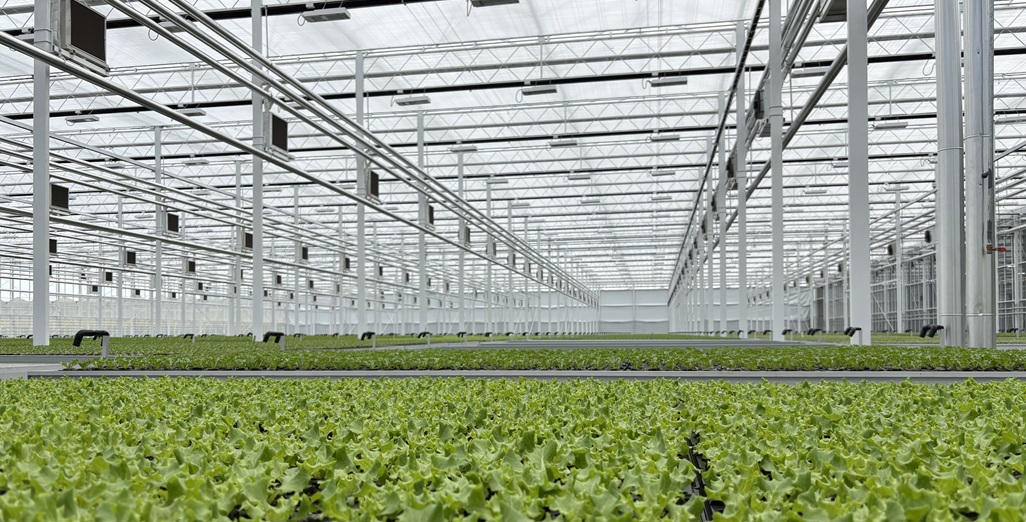
Plant-optimized spectrum to maximize photosynthetic efficiency and productivity:
27% higher yield and 40% energy savings in tomato greenhouse drive Woodeumgee Farm to repeat investment in Philips horticulture LED solution
March 10, 2026
Where Does Fusarium Sit on Your Priority List?
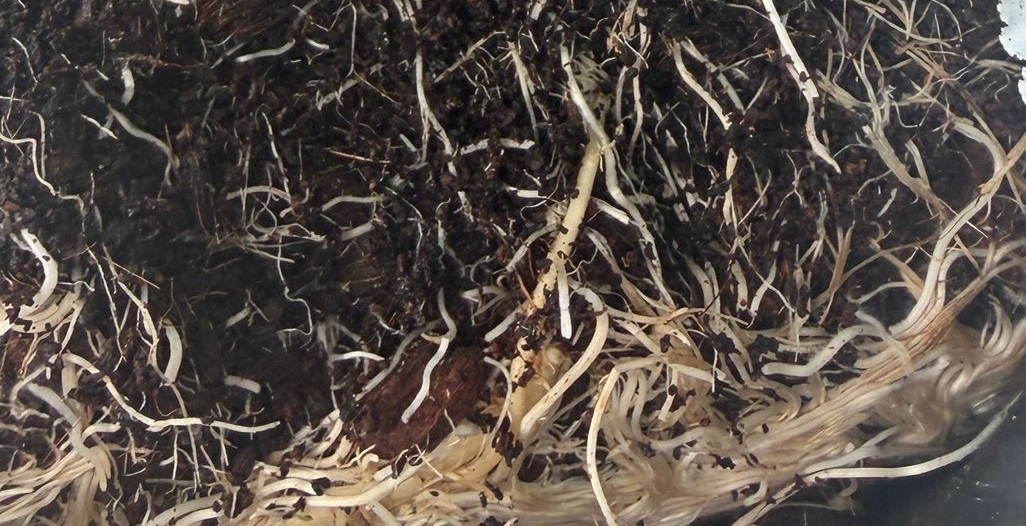
When discussing crop health during technical strategy meetings, Fusarium often does not sit particularly high on the list of priorities.
February 23, 2026
A proven opportunity in strawberry cultivation with indoor-grown generative young plants
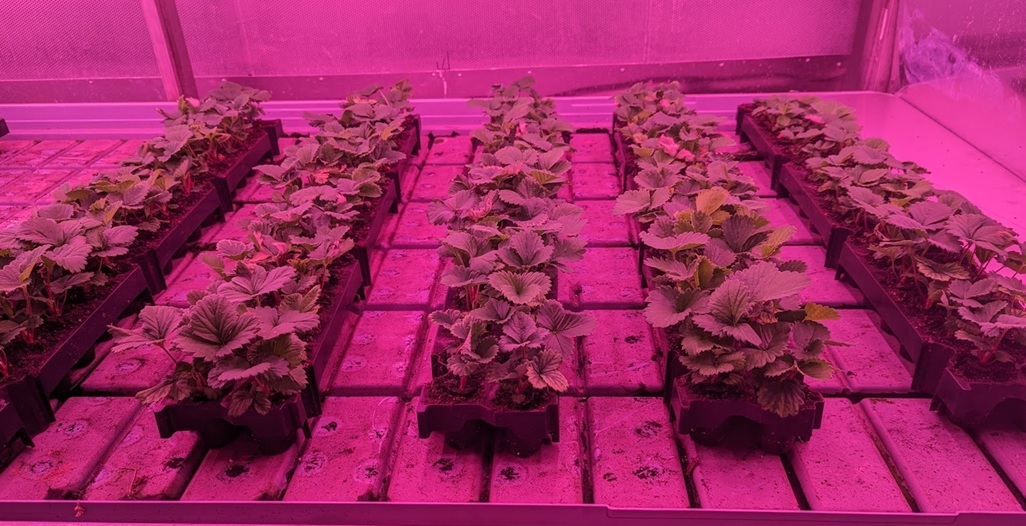
Indoor strawberry young-plant production is moving from a promising concept to a proven opportunity. Recent trials with F1 hybrid varieties grown from seed in fully controlled facilities have shown faster development of young plants, a roughly 40% higher fruit yield in the greenhouse, harvesting two weeks earlier, and a clean, chemical-free starting point.
CLASSIFIED