

Sign up here to subscribe to the Grower2grower Ezine. Every two weeks you will receive new articles, specific to the protected cropping industry, informing you of industry news and events straight to your inbox.
14
Jul 2023
Jul 2023
Spray Diaries, Energy Questionnaire, and Tomatoes NZ AGM
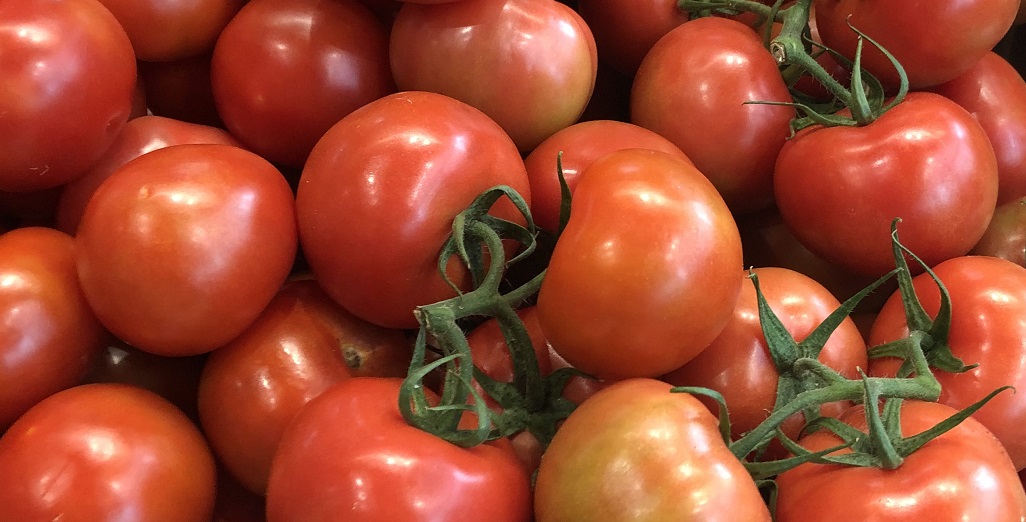
TomatoesNZ requires growers’ assistance
Spray Diaries:
TomatoesNZ is conducting a trial with beneficial insects as part of A Lighter Touch programming. We have been asked to obtain spray diaries from our growers so that these can be used as a way to benchmark where spraying use is currently at for comparisons in later years.
This will allow us to see if grower habits with spraying are changing and therefore, in time, measure the success of the project. The spray diaries would be sent to A Lighter Touch anonymised. They can be in any format but need to include the location (e.g., South Auckland) and product rates in volumes/ha from 1st July 2021 to 30 June 2022.
Deadline for this is the end of August so all grower cooperation is appreciated.
Energy Questionnaire:
https://forms.office.com/r/gn2W2s9Wcq
The TomatoesNZ board is aware that energy is a huge concern for covered crop growers and we are focusing a large amount of resource in this area to help growers reduce their energy demands and switch to more sustainable energy supplies. To help us target funding opportunities, it would be helpful if you could complete this survey for your business. This form should be available in Korean and Chinese although using Google Translate so apologise if the translation isn’t perfect.
TNZ AGM:
The TomatoesNZ AGM takes place at 5pm Wednesday 2nd August in person at Te Pae. We would love to see you there but if you can’t make it, please email Dinah info@tomatoesnz.co.nz for a Zoom link.
As part of the AGM, Nigel Brunel, Head of Commodities & Carbon Trading at Jarden, will be talking to us about the future of ETS. Participating online, you will still be able to vote in motions. If you’re not able to join us at all, please consider completing a proxy form.
Proxy voting and the 2023 Annual report are available to download here: https://www.tomatoesnz.co.nz/about/2022-agm/
For more detail contact:
Dinah Cohen
Business Manager TomatoesNZ
M: 021 922 414 Phone: 04 470 5666
A: Level 4, 20 Ballance St, Wellington 6011
Learn how fresh NZ tomatoes are grown on YouTube
CLASSIFIED



















Photo
Gallery






Subscribe to our E-Zine
More
From This Category

April 20, 2026
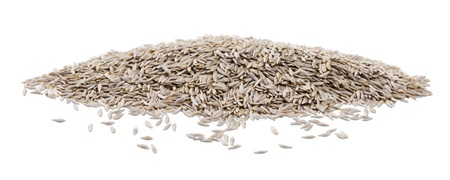
The Environmental Protection Authority (EPA) has approved a new fungicide seed treatment to control disease on potatoes.
The New Zealand potato industry is valued at approximately $1 billion annually, according to Potatoes New Zealand.
April 20, 2026
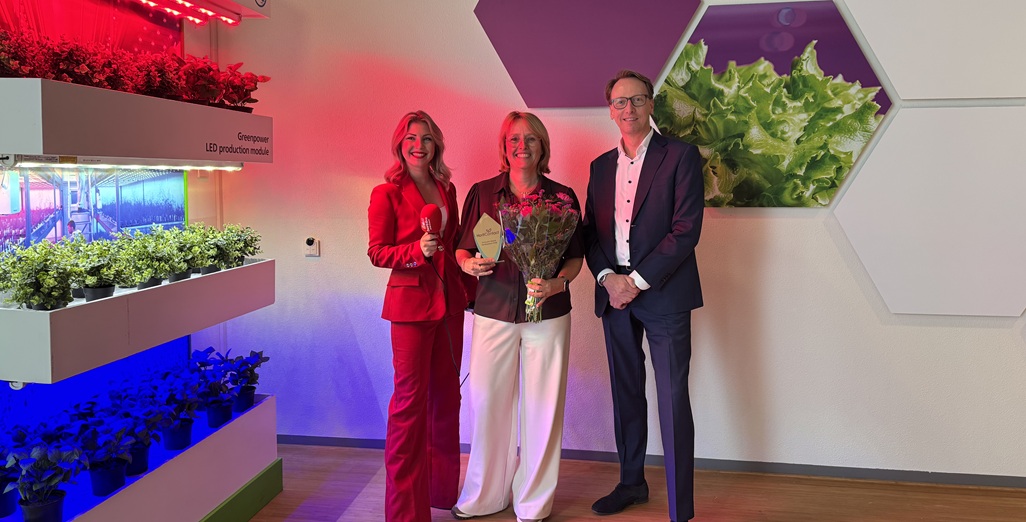
Signify wins HortiContact Innovation Award for Philips intelligent horticulture lighting solutions
“We are incredibly proud of this recognition”

April 7, 2026
Proposed import requirements for fresh blueberries (Vaccinium spp.) for human consumption
Make your submission
March 23, 2026
The Environmental Protection Authority (EPA) maintained the upward trend for hazardous substances decisions in the second quarter of the 2025-26 year.
Dr Lauren Fleury, Manager Hazardous Substances Applications, says the EPA continues to use rapid assessment pathways where possible. Of the 16 approved applications in the second quarter, 13 were decided by rapid assessment.

March 23, 2026
Source Advances Harvest Forecasting for Tomatoes with Next Generation AI Model
Fundamental changes to how the model learns and handles grower input mean significantly less manual work and meaningfully better accuracy.

March 10, 2026
Australia’s horticulture sector has delivered a year of record‑breaking performance
Highest production value to date of $18.4 billion, up 6% on the previous year.
CLASSIFIED