
Sign up here to subscribe to the Grower2grower Ezine. Every two weeks you will receive new articles, specific to the protected cropping industry, informing you of industry news and events straight to your inbox.
4
Dec 2023
Dec 2023
Some Thoughts on Bananas – Dr Mike Nichols
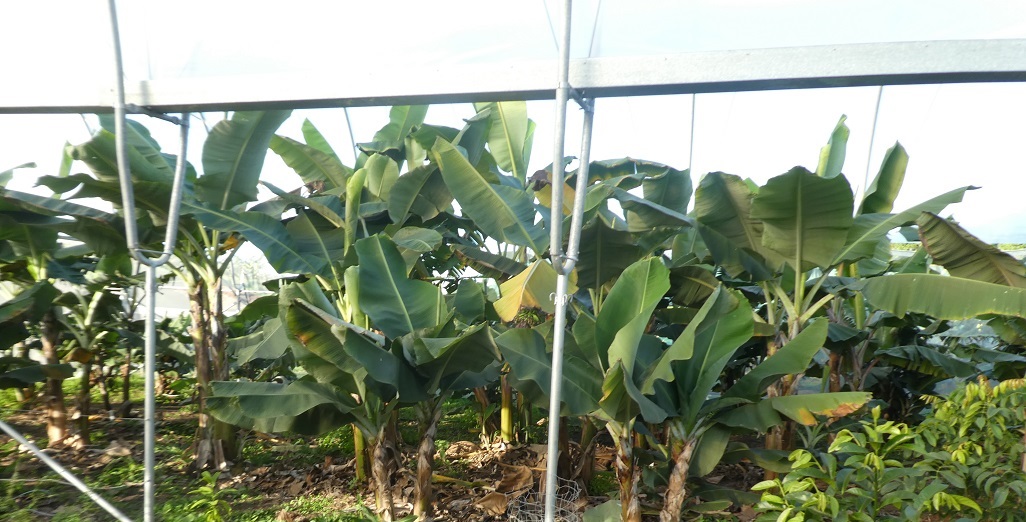
“The sensible way to grow bananas in New Zealand is in a greenhouse”
I have been a strong supporter of the concept of growing our own bananas in New Zealand for some time. The problem, as I see it, is that we have to compete with imported bananas produced in low-income counties (such as Philippines and Ecuador), where the labour is a few $US Day, compared with our much higher labour costs. The other problem is climate, because obviously we do not have a tropical climate.
In a recent article (in Fresh Plaza, 27/10/2023) I noted that Portugal obtains some of its Bananas from Madeira. A Portuguese Island in the Atlantic Ocean off the coast of Africa and at 32N. Madeira is a few degrees further north of the Spanish Canary Islands which I had visited for a conference a few years ago and been shown a little of their banana industry by tropical fruit authority Dr Víctor Galán Sauco.
The most interesting fact in the Madeira article was the fact that 32N is not very different from the latitude of Northland (34S), and that the average yield is some 35t/ha but the better growers produce 60t/ha because they grow in greenhouses and the extra 2 C increase in temperature is critical!!!
I am certain that the same would apply in New Zealand. I therefore believe that the sensible way to grow bananas in New Zealand is in a greenhouse, where the combination of global warming and of the additional protection of the greenhouse will enhance productivity.
Bananas are the most important fruit crop in the world on a tonnage basis (120 million tonnes, while apples are 93 million tonnes) and yet they are one of the least researched crops. For example, we do not know what causes the flowers to be initiated. Why (for example) do the Cavendish types flower at about 18 leaves, and the Lady finger types at 35 leaves +? Is it related to biological selection to avoid the fruit being consumed by marauding animals?
If we were able to control the number of leaves prior to flowering, it might be possible to produce dwarf lady finger types and grow them easily in greenhouses!!!!
In fact, by using hydroponics to improve plant growth efficiency it might be possible to produce a good crop of bananas with a 6-8 leaf plant. After all the bulk of the yield for cereals is developed from the last (flag) leaf, could not a similar pattern apply with bananas??? Do we really need all those lower leaves? The real challenge is to find out what process causes flower initiation. Many tropical fruit initiate flowers during the dry season, and flower when the rains arrive. Does banana have a similar response, and if so, how could the moisture stress be efficiently delivered.
Dr Mike Nichols
CLASSIFIED















Photo
Gallery




Subscribe to our E-Zine
More
From This Category
April 20, 2026
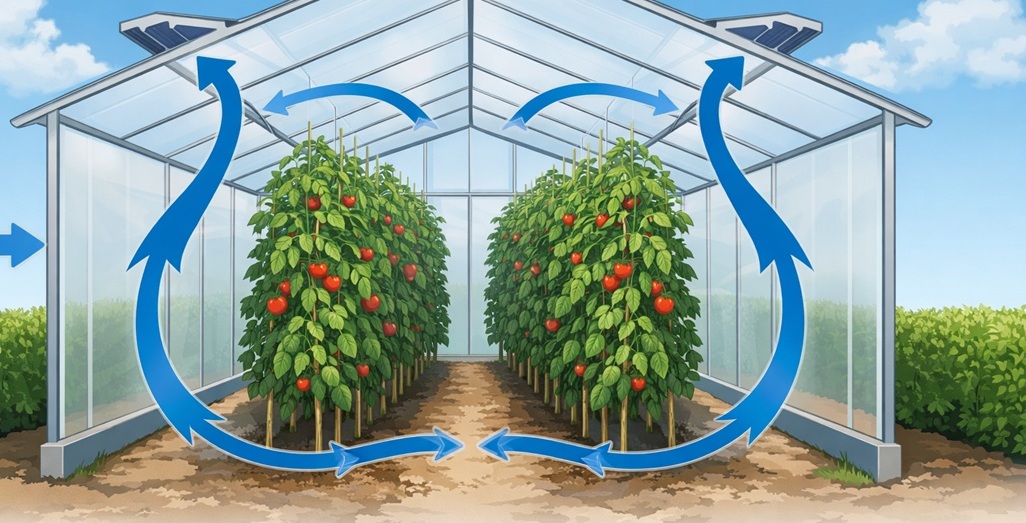
Autumn Challenges: Managing Humidity, Energy Constraints and Crop Balance
A Perfect Storm for Crop Performance
April 7, 2026
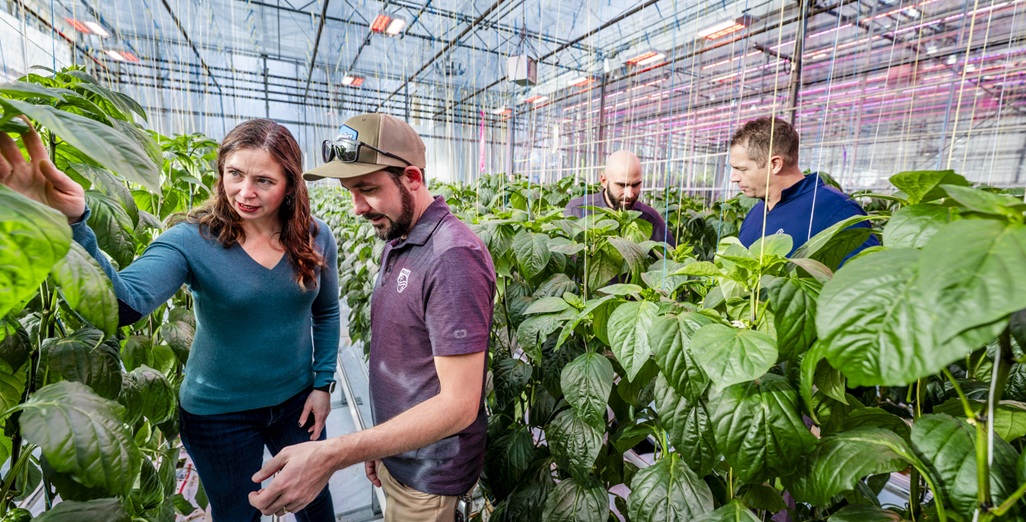
Signify and University of British Columbia collaborate to further explore feasibility of sustainable year-round greenhouse pepper production
Trial paves the way for growers to capitalize on the market opportunity to provide locally grown bell peppers during the winter months.
April 7, 2026
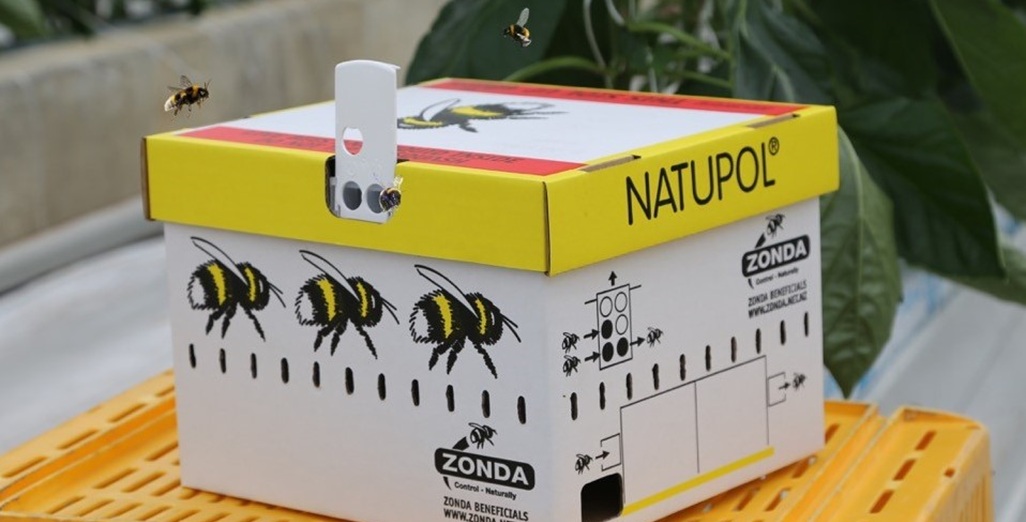
Think It’s the Bees? Think Again
Proven Hive Performance Suggests Auckland’s Climate and Crop Conditions Are the Key Limiters. Every year, Zonda receives calls from growers saying “the bees aren’t working” and requesting new hives. While hives are sometimes replaced, these cases consistently show that the bumblebees are performing as expected. The real challenge? Humidity, Auckland weather, and plant conditions.
March 23, 2026
Plant-optimized spectrum to maximize photosynthetic efficiency and productivity:
27% higher yield and 40% energy savings in tomato greenhouse drive Woodeumgee Farm to repeat investment in Philips horticulture LED solution
March 10, 2026
Where Does Fusarium Sit on Your Priority List?
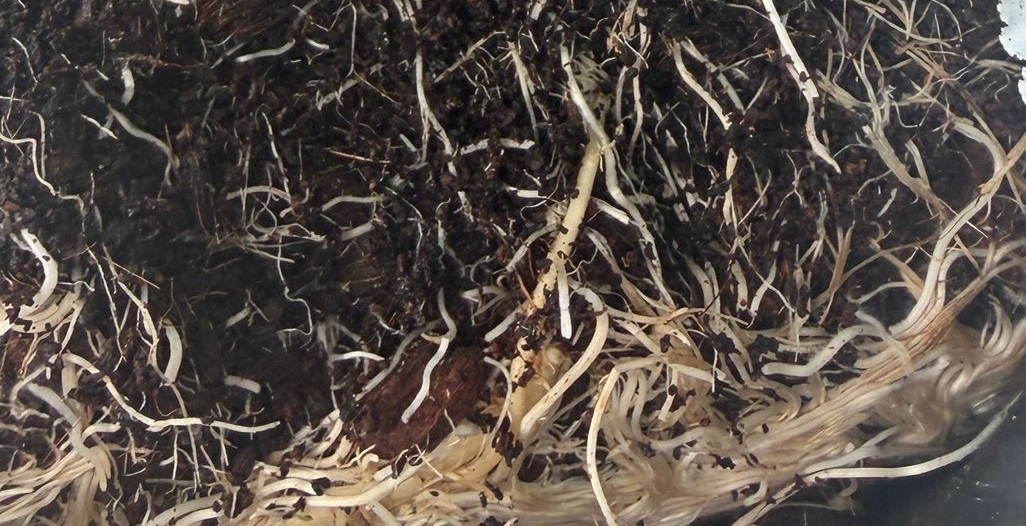
When discussing crop health during technical strategy meetings, Fusarium often does not sit particularly high on the list of priorities.
February 23, 2026
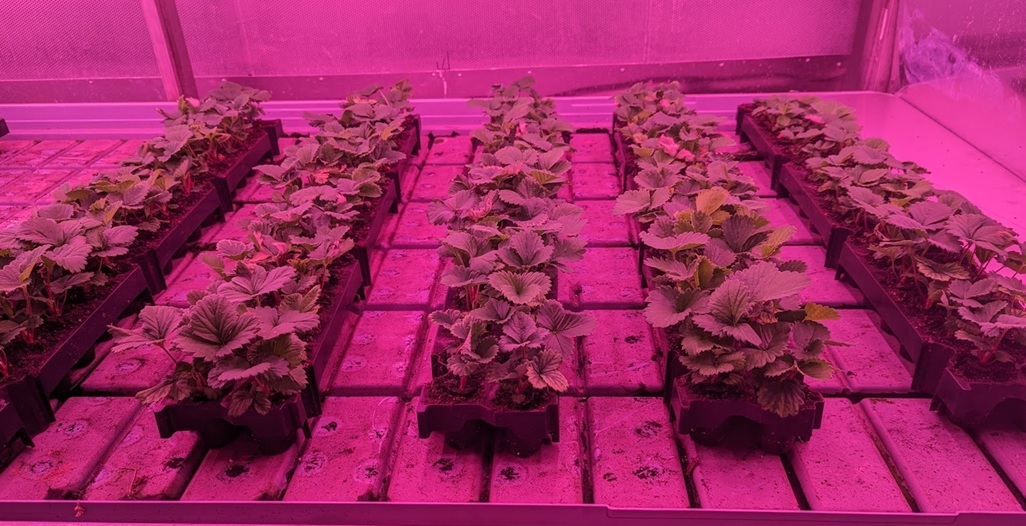
A proven opportunity in strawberry cultivation with indoor-grown generative young plants
Indoor strawberry young-plant production is moving from a promising concept to a proven opportunity. Recent trials with F1 hybrid varieties grown from seed in fully controlled facilities have shown faster development of young plants, a roughly 40% higher fruit yield in the greenhouse, harvesting two weeks earlier, and a clean, chemical-free starting point.
CLASSIFIED