

Sign up here to subscribe to the Grower2grower Ezine. Every two weeks you will receive new articles, specific to the protected cropping industry, informing you of industry news and events straight to your inbox.
23
Apr 2024
Apr 2024
A crop on the cusp of ruin by leaf mould and the return of psyllid yellows.
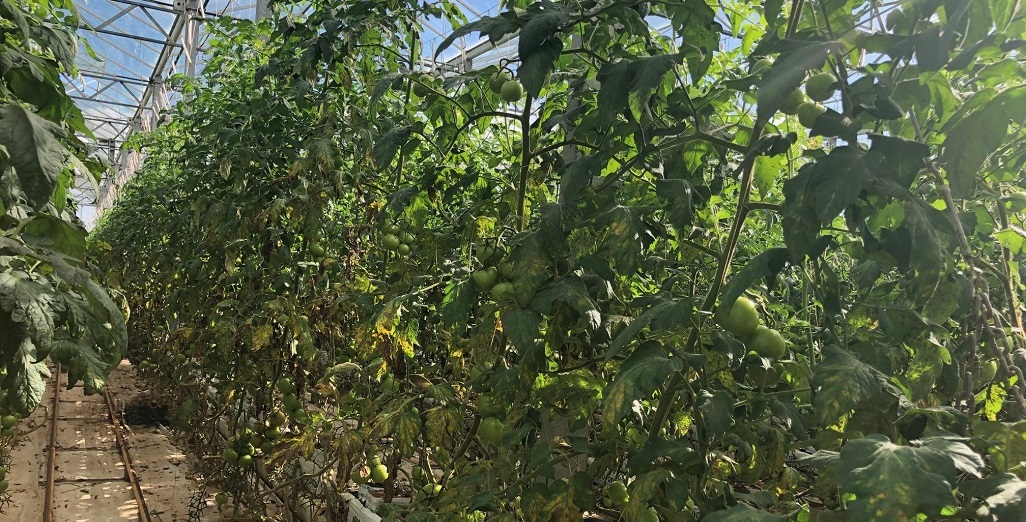
As autumn approaches growers face a different set of problems that require different solutions.
Psyllids (TPP):
In the past week, I’ve seen a badly infected plant, within a tomato crop, with Candidatus Liberibacter transmitted by tomato/potato psyllid (TPP). I was not shocked but a little disappointed as it is the first infected plant I have seen this year. For the past two years, particularly in the South Auckland region, we have had regular summer rain, both the Hunua (73.7%) and Waitakere (86%) damns have good reserves and on average are 2.09% above the historical average (Date 23/4/2024 https://aucklandwatersupply.co.nz) The last time we had a long dry spell in 2022 I saw a lot more infection.
The questions are why the level of psyllids appear to be lowered this year and why I am seeing less Candidatus Liberibacter:
- Are outdoor psyllid populations influenced by weather conditions?
- Are predators introduced via IPM programmes working effectively or are natural enemy populations of the psyllid more prolific?
- Have the percentage of psyllids carrying the Candidatus Liberibacter decreased?
Whatever the reason, the sighting this week is a good reminder not to rest on our laurels.

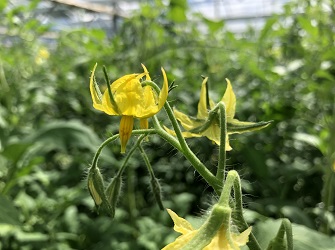
Above image – plant infected with Candidatus Liberibacter.
Leaf Mould:
Tomato leaf mould (Cladosporium), is another issue facing growers. I am finding it increasingly difficult to control, once it is in a crop it never leaves. It does unfortunately require intervention via spraying.
If you are severely infected, de-leaf one to two leaves higher than normal, remove all the removed leaf from the greenhouse and spray the remaining leaf area as soon as possible. Yes – this will affect production, any radical action does.
If you only have a minor infection, don’t procrastinate, contact your local Horticentre or Tasman Crop rep today for preventive options.
If your property is struggling with leaf mould discuss it with your seed company. New strains of leaf mould may mean that some varieties with resistance may need replacing.

Above image, conditions are ideal for rapid reproduction of leaf mould.
See additional information below: Source Copilot.
Tomato leaf mold, caused by the fungal pathogen Passalora fulva (previously known as Cladosporium fulvum), is a destructive foliar disease affecting tomatoes, especially in humid conditions. Let’s delve into the details:
- Cause and Identification:
- Cause: Tomato leaf mould is primarily caused by Passalora fulva, which is an ascomycete fungus.
- Identification: Identifying specific strains of this pathogen is challenging. The fungus produces conidia (spores) that can infect tomato leaves. It has been found both on and within tomato seeds, indicating potential seedborne infection. These spores are highly resistant to dry conditions and low temperatures, surviving from one crop to the next. Additionally, the pathogen can persist on dried leaf debris1.
- Environmental Factors and Symptoms:
- Humidity: High relative humidities (above 85%) are critical for spore germination and fungal hyphae penetration through stomata.
- Temperature: Warm temperatures (22–24°C) combined with high humidity can lead to epidemics. However, even at temperatures as low as 4°C, the disease can still develop, albeit slowly.
- Symptoms: Leaf mould typically appears as yellowish spots on the upper leaf surface. Advanced stages reveal velvety fungal hyphae exiting from stomata on the lower leaf surface, forming a brown mould. Spores are easily spread by air currents, insects, and human contact1.
If you’re dealing with tomato leaf mould, consider implementing preventive measures such as proper sanitation, selecting resistant varieties, and managing environmental conditions to minimize its impact on your tomato plants.
See previous Grower2Grower articles written regarding psyllid and leaf mould.
Psyllid Yellow’s – Grower2Grower
Leaf Mould – Cladosporium – Grower2Grower
CLASSIFIED


















Photo
Gallery






Subscribe to our E-Zine
More
From This Category
April 7, 2026
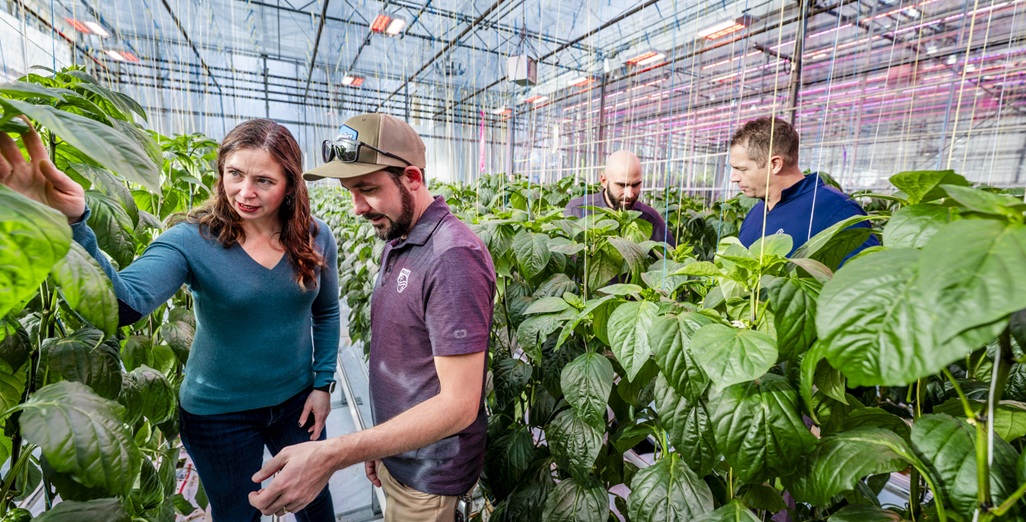
Signify and University of British Columbia collaborate to further explore feasibility of sustainable year-round greenhouse pepper production
Trial paves the way for growers to capitalize on the market opportunity to provide locally grown bell peppers during the winter months.
April 7, 2026
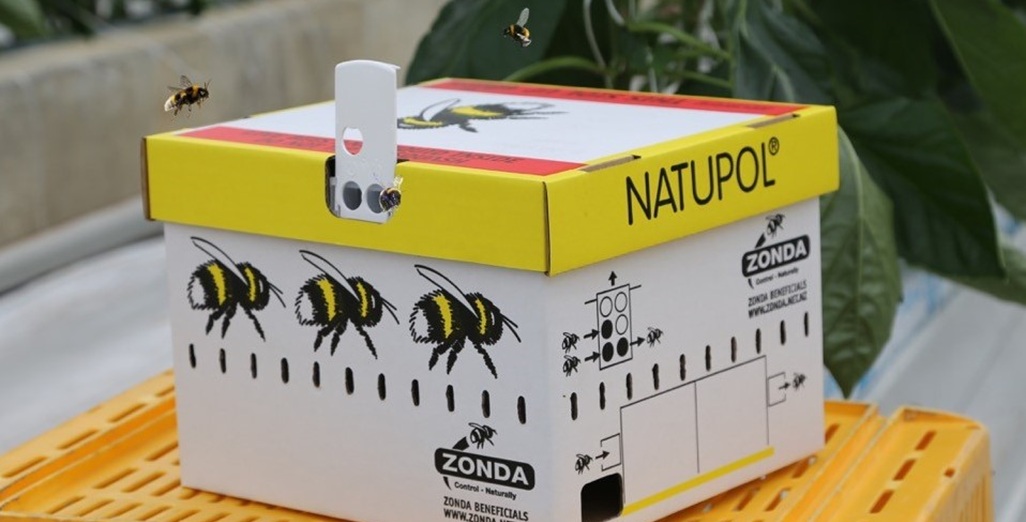
Think It’s the Bees? Think Again
Proven Hive Performance Suggests Auckland’s Climate and Crop Conditions Are the Key Limiters. Every year, Zonda receives calls from growers saying “the bees aren’t working” and requesting new hives. While hives are sometimes replaced, these cases consistently show that the bumblebees are performing as expected. The real challenge? Humidity, Auckland weather, and plant conditions.
March 23, 2026
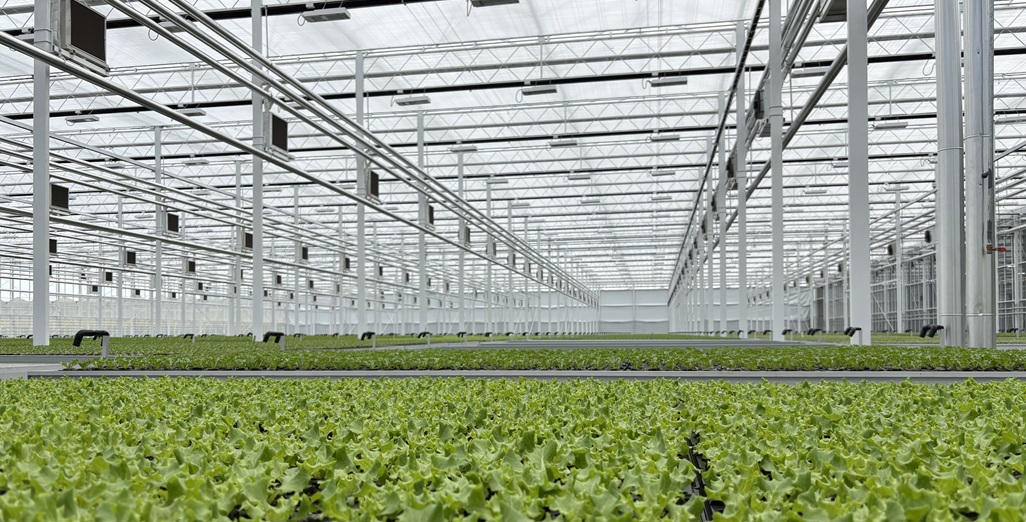
Plant-optimized spectrum to maximize photosynthetic efficiency and productivity:
27% higher yield and 40% energy savings in tomato greenhouse drive Woodeumgee Farm to repeat investment in Philips horticulture LED solution
March 10, 2026
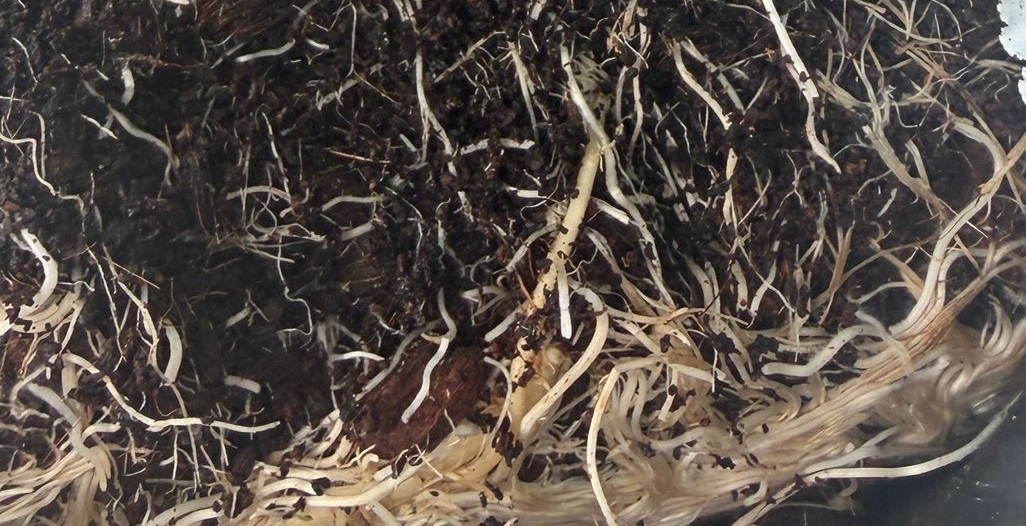
Where Does Fusarium Sit on Your Priority List?
When discussing crop health during technical strategy meetings, Fusarium often does not sit particularly high on the list of priorities.
February 23, 2026
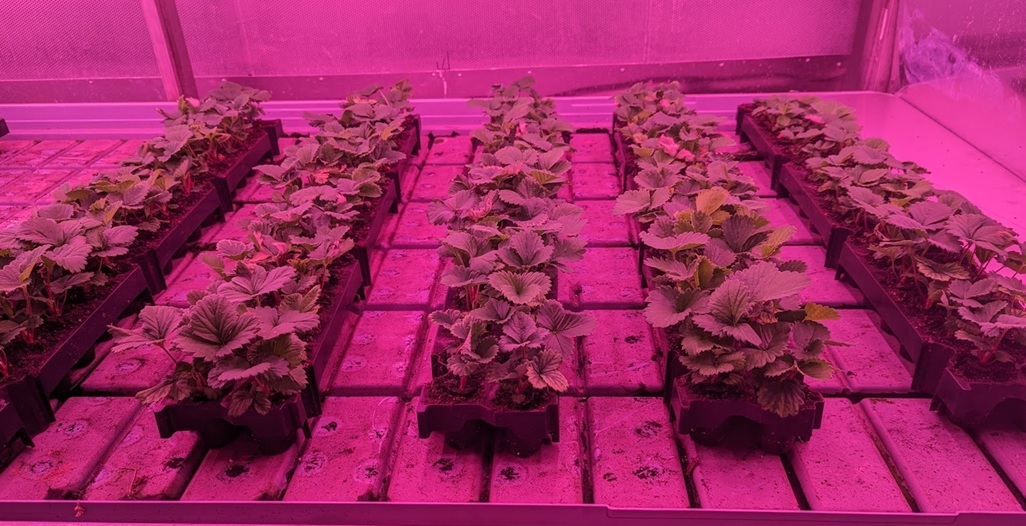
A proven opportunity in strawberry cultivation with indoor-grown generative young plants
Indoor strawberry young-plant production is moving from a promising concept to a proven opportunity. Recent trials with F1 hybrid varieties grown from seed in fully controlled facilities have shown faster development of young plants, a roughly 40% higher fruit yield in the greenhouse, harvesting two weeks earlier, and a clean, chemical-free starting point.
February 23, 2026
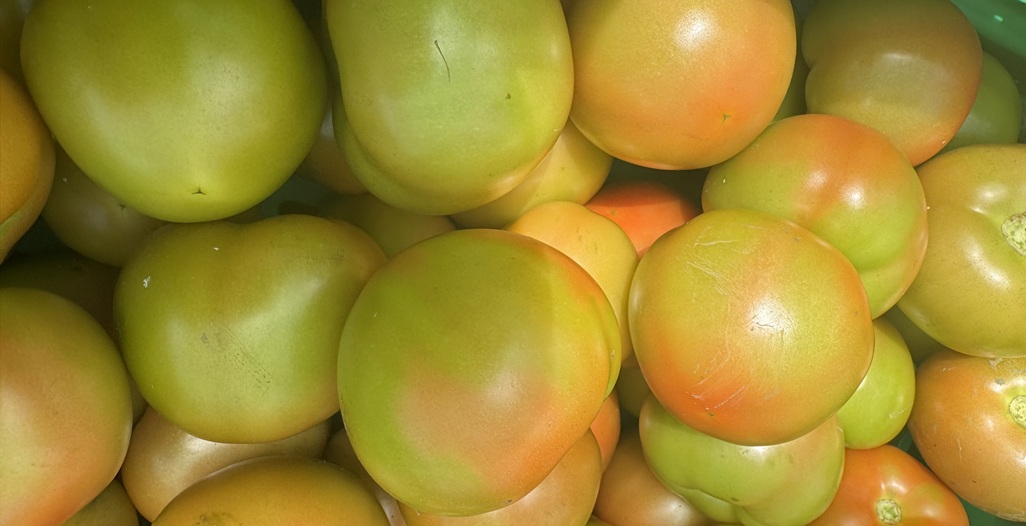
How blotchy ripening (green spots), a troublesome potential quality issue in this high-yielding variety, can be reduced by adjusting the nutrient balance – specifically the potassium and nitrogen ratios.
Low-heat, full-LED trial on track to achieve higher yields and better quality in larger truss tomatoes
CLASSIFIED