

Sign up here to subscribe to the Grower2grower Ezine. Every two weeks you will receive new articles, specific to the protected cropping industry, informing you of industry news and events straight to your inbox.
2
Jul 2024
Jul 2024
Could the Global Boom in Greenhouses Help Cool the Planet?

As agricultural greenhouses proliferate, researchers are finding that their reflective roofs are having a cooling effect. Some experts see this as an unintended experiment with lessons for cooling cities, but others point to the environmental damage that greenhouses can cause.
By Fred Pearce. June 20, 2024
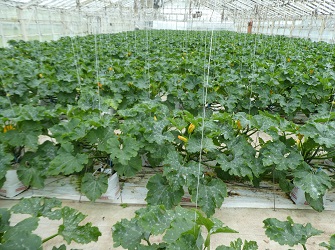
The world is awash with greenhouses growing fresh vegetables year-round for health-conscious urbanites. There are so many of them that in places their plastic and glass roofs are reflecting sufficient solar radiation to cool local temperatures — even as surrounding areas warm due to climate change.
The extent of this accidental climate engineering is becoming ever more apparent as analysis of satellite images dramatically increases estimates of the area of the planet swathed in greenhouses. From southern Spain to northeast China and the Rift Valley in East Africa to Mexico, millions of acres of former scrub and marginal farmland are being replaced by glistening reflective surfaces.
The intensive agricultural methods employed within greenhouses may often damage local environments by overtaxing water supplies and polluting rivers and soils with nutrients, pesticides, and plastic waste. But the influence of these seas of plastic on local temperatures can be even more dramatic — and often beneficial. They increase the albedo, or reflectivity, of the land surface, typically by around a tenth, and so reduce solar heating of the lower atmosphere.
In a greenhouse-intense area of southern Spain, researchers found an average cooling of 1.3 degrees F over 23 years.
Click here to read the full article https://e360.yale.edu/features/greenhouses-cooling

CLASSIFIED



















Photo
Gallery














Subscribe to our E-Zine
More
From This Category
April 20, 2026
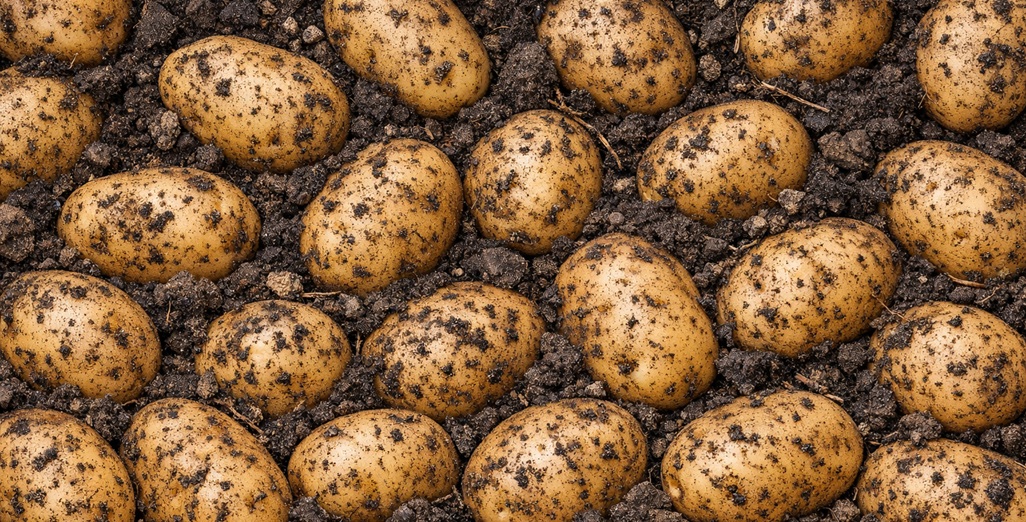
The Environmental Protection Authority (EPA) has approved a new fungicide seed treatment to control disease on potatoes.
The New Zealand potato industry is valued at approximately $1 billion annually, according to Potatoes New Zealand.
April 20, 2026
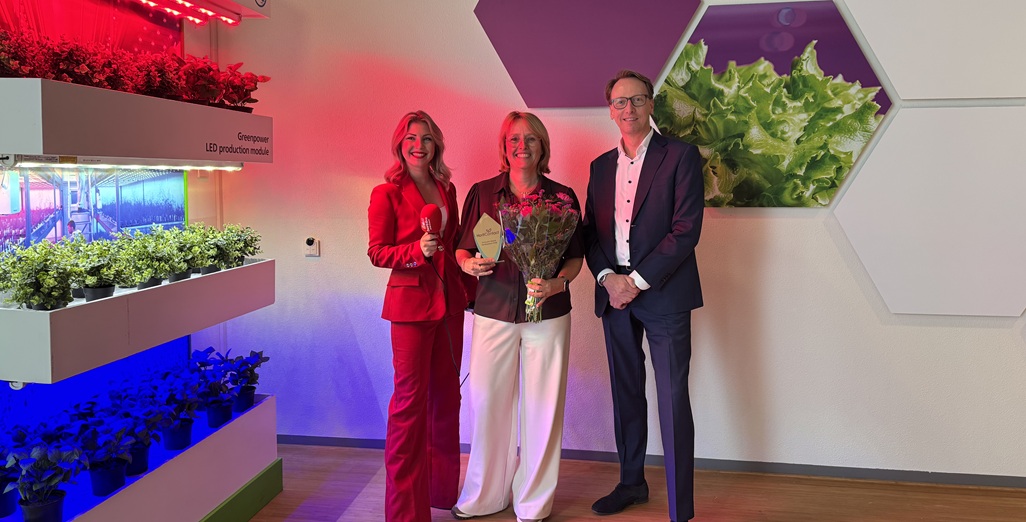
Signify wins HortiContact Innovation Award for Philips intelligent horticulture lighting solutions
“We are incredibly proud of this recognition”

April 7, 2026
Proposed import requirements for fresh blueberries (Vaccinium spp.) for human consumption
Make your submission
March 23, 2026
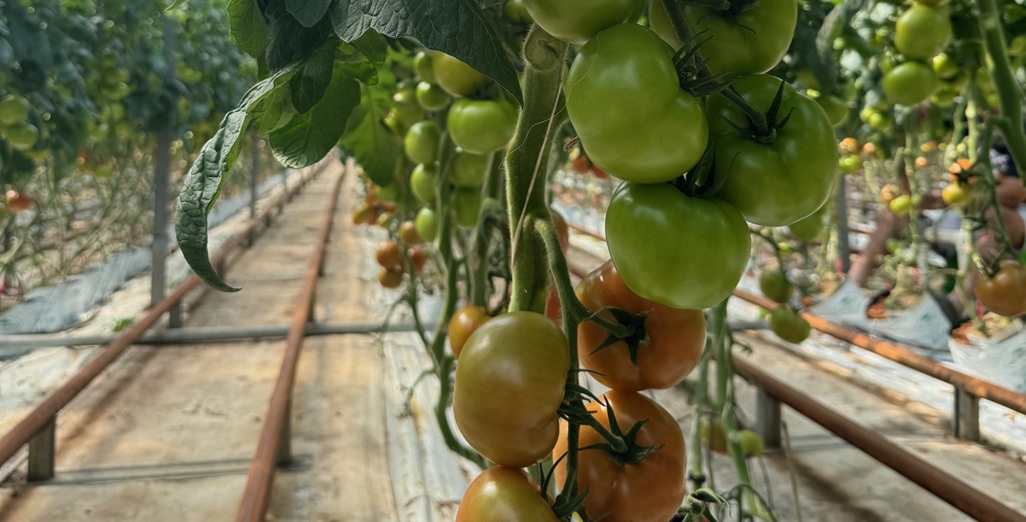
The Environmental Protection Authority (EPA) maintained the upward trend for hazardous substances decisions in the second quarter of the 2025-26 year.
Dr Lauren Fleury, Manager Hazardous Substances Applications, says the EPA continues to use rapid assessment pathways where possible. Of the 16 approved applications in the second quarter, 13 were decided by rapid assessment.

March 23, 2026
Source Advances Harvest Forecasting for Tomatoes with Next Generation AI Model
Fundamental changes to how the model learns and handles grower input mean significantly less manual work and meaningfully better accuracy.

March 10, 2026
Australia’s horticulture sector has delivered a year of record‑breaking performance
Highest production value to date of $18.4 billion, up 6% on the previous year.
CLASSIFIED